Creativity and Psychology
How Fashion Influences Our Psyche
E
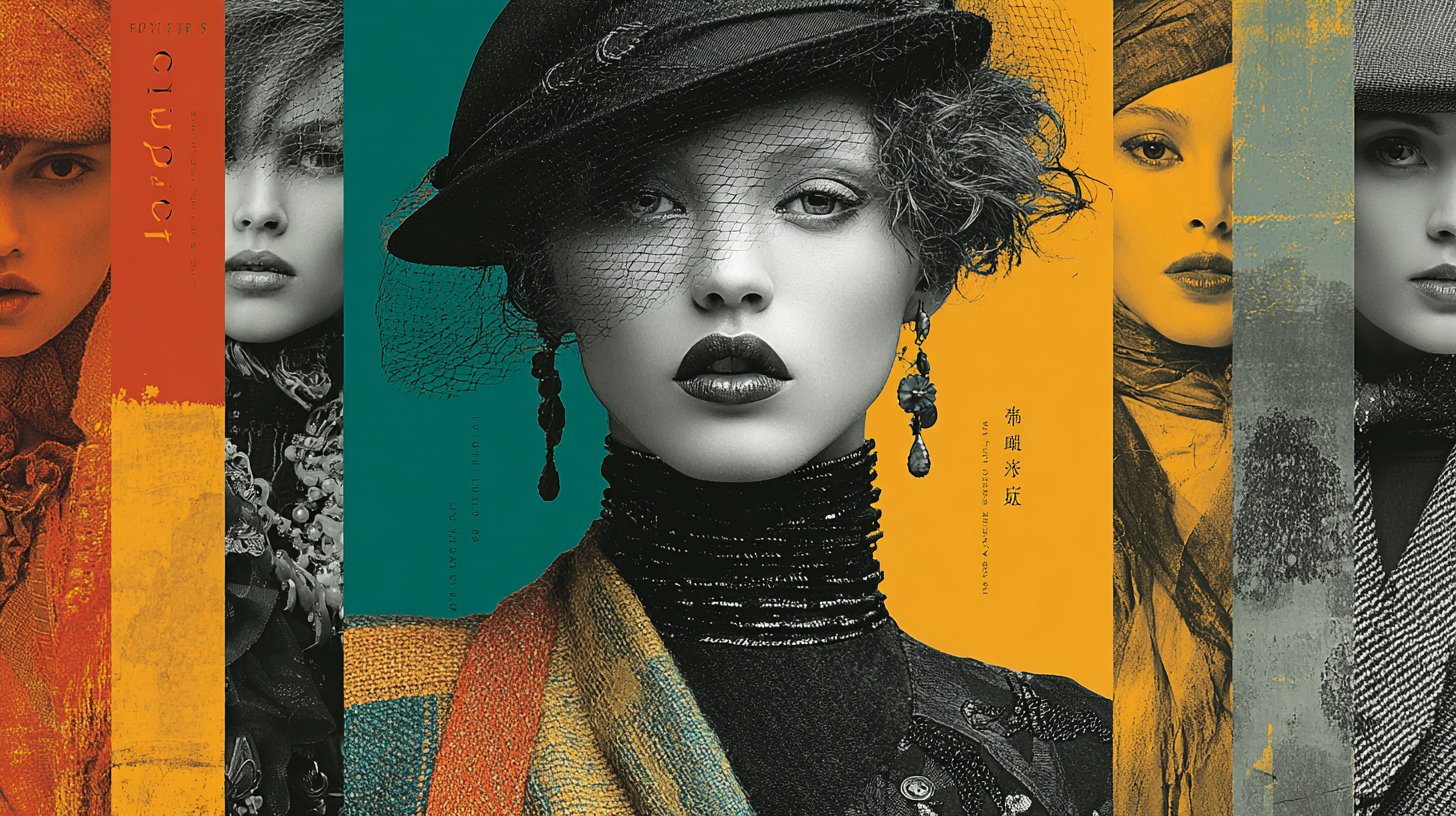
The connection between fashion, colors, and psychology is fascinating and complex. The way we dress not only reflects our personal style but also influences our emotions and behaviors. In this exploration, we want to find out how colors affect our decisions and how shapes in fashion shape our perception of ourselves and others.
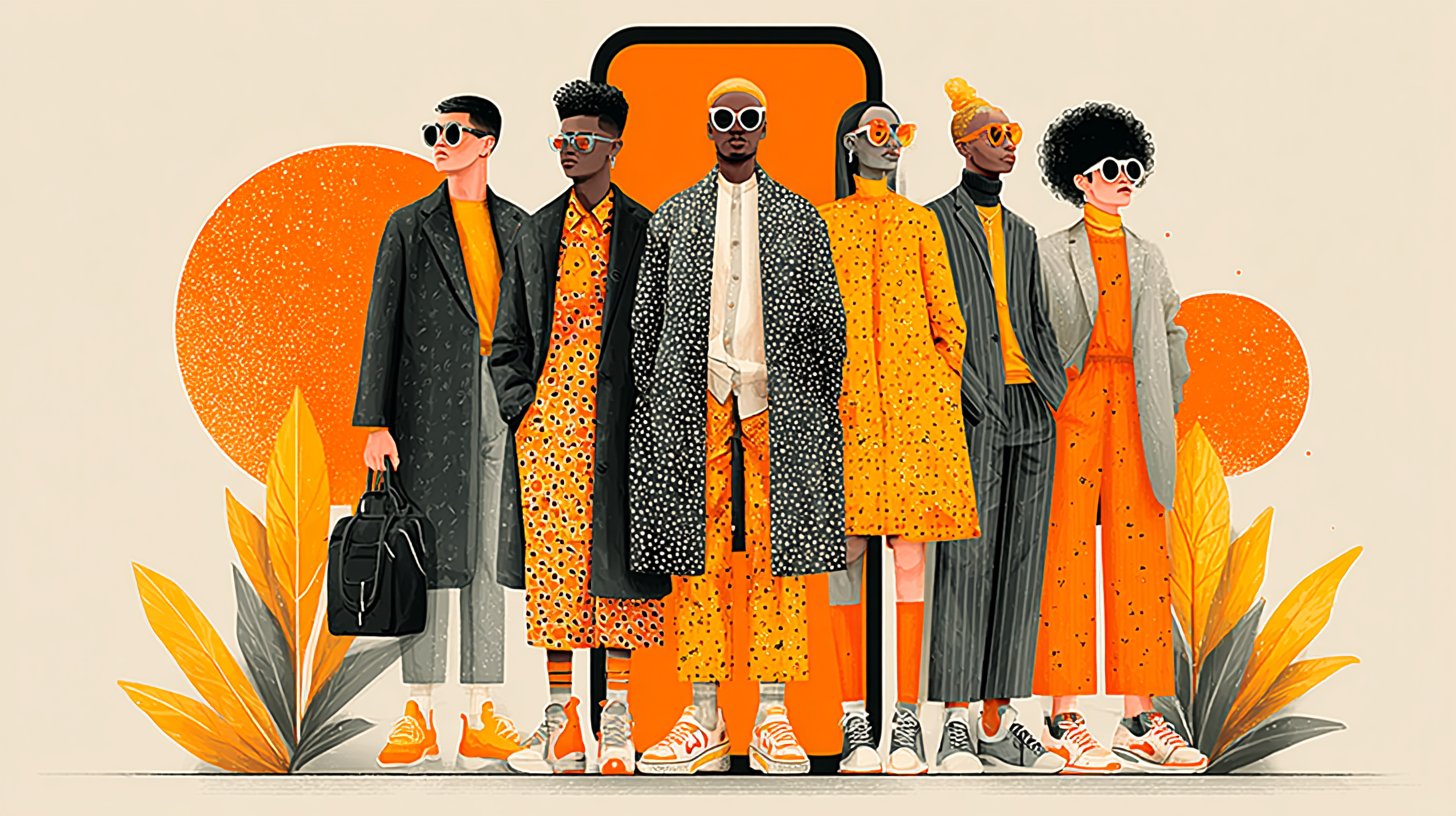
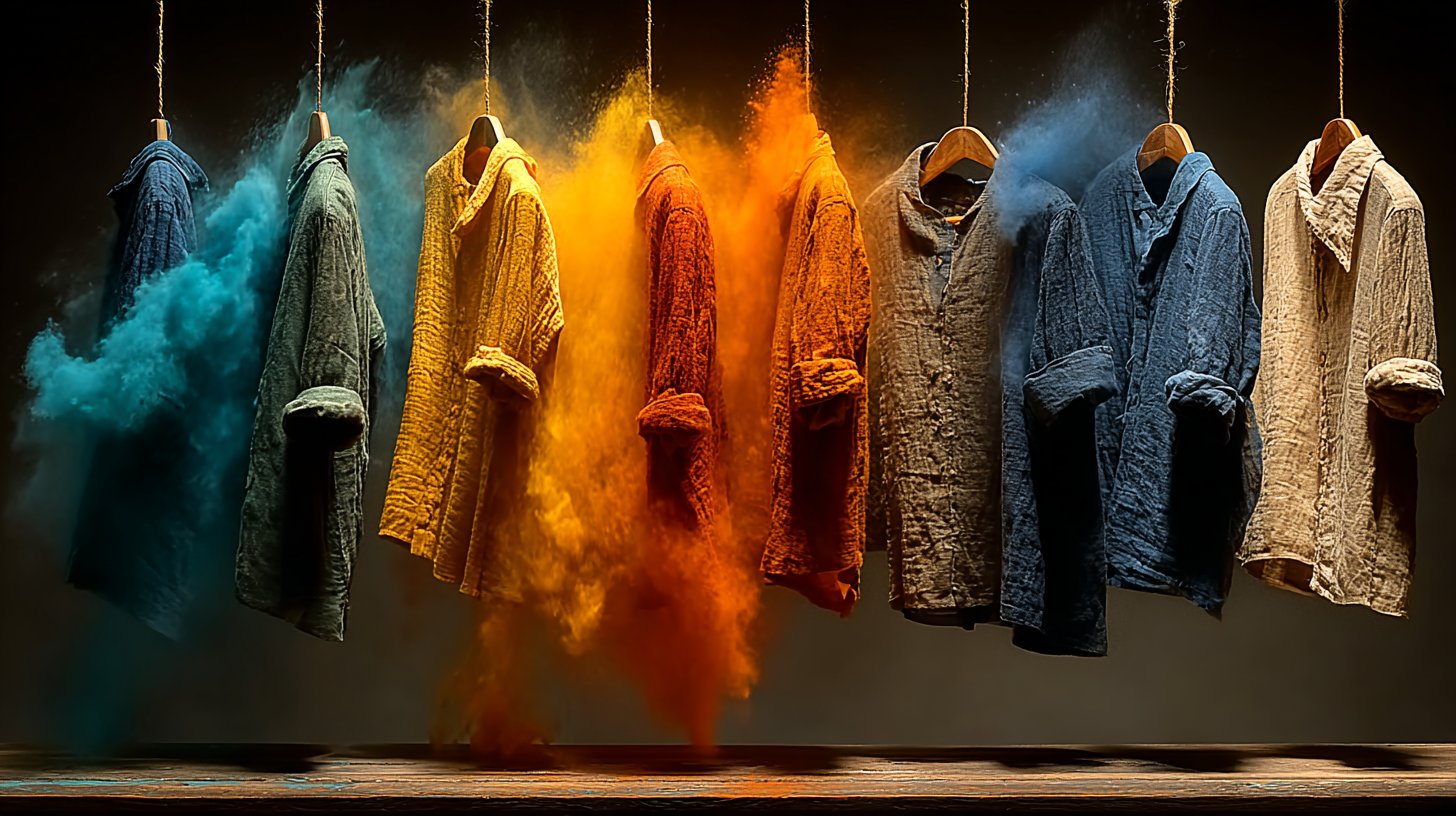
Each of us has noticed how a certain color can evoke a specific mood or feeling. Red, for example, is often associated with energy and passion, while blue symbolizes calmness and trust. These emotional connections we have with colors can significantly influence our purchasing behavior. When we see a piece of clothing in a color that appeals to us positively, we are more likely to buy it. So, it’s not just the quality or style of an item that encourages us to purchase, but often also the emotional impact of the color. The psychology behind this color choice can have a profound influence on our daily lives and decisions.
Color Psychology in Fashion
Color psychology is an important aspect of fashion design. Fashion houses deliberately use certain colors to evoke the desired emotions of consumers. When you are in a store and see a striking red piece of clothing, it might be that you immediately feel more vibrant. This is because red is considered one of the most energetic colors. Fashion is not just clothing; it is also a form of expression. When you choose the right color, you can influence your mood and, for example, exude more confidence. The purchasing decision is therefore strongly influenced by the emotional resonance that a color evokes.
Additionally, it is also interesting to observe how certain colors are associated with specific seasons or occasions. In spring, bright, cheerful colors like pastels are popular, while in winter, darker, earthy tones are often associated with warmth. These seasonal color changes can influence your purchasing decisions as they give you the feeling of being 'in fashion' or suitable for the occasion. For example, if you are invited to a summer wedding, you are likely to look for light, airy fabrics and bright colors not only to look good but also to contribute to the cheerful atmosphere.
Shapes and Their Influence
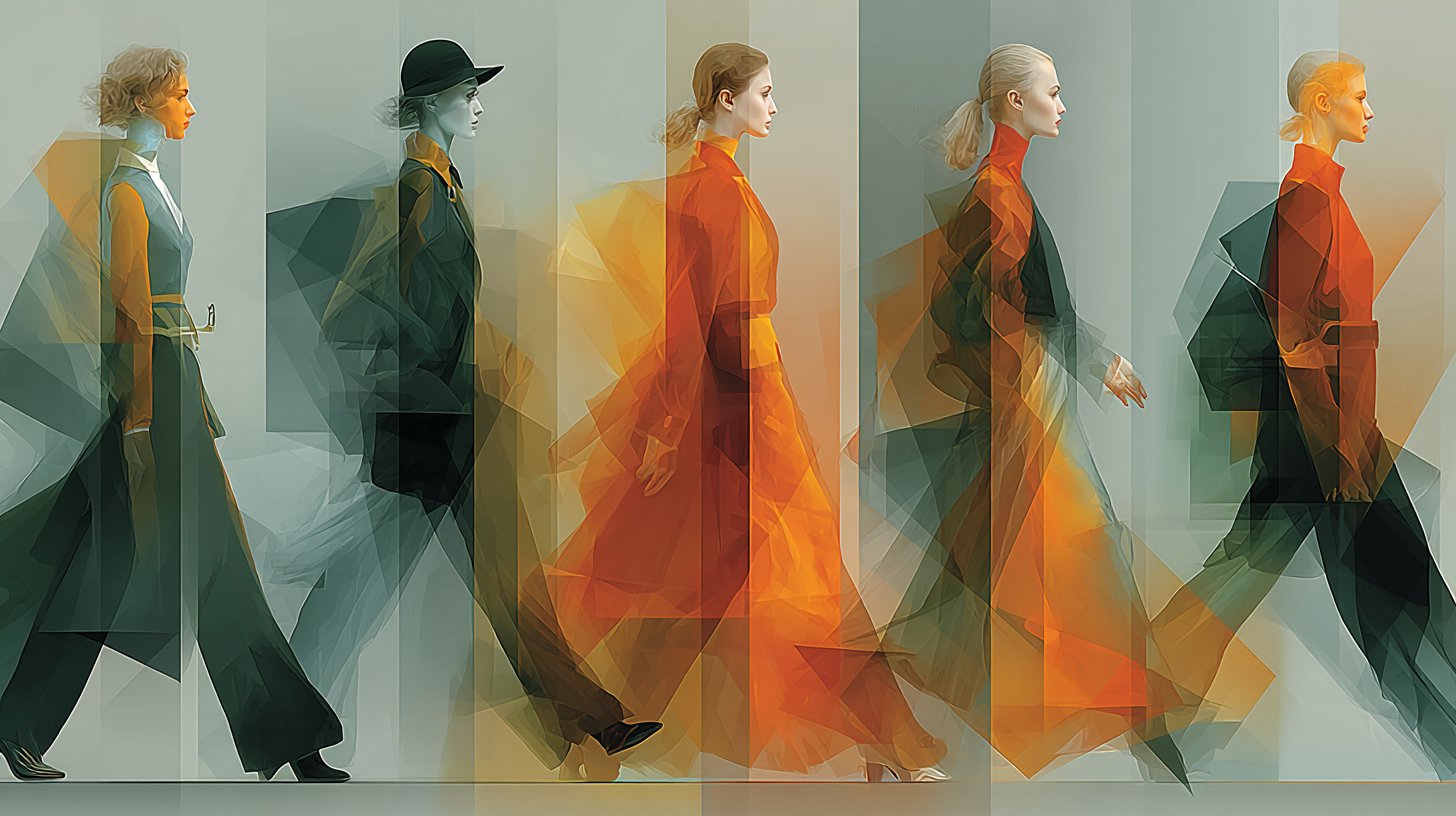
Not only colors, but also shapes and cuts in fashion have a psychological effect. Simple, clean lines can convey a sense of confidence and authority, while playful, curvy shapes often highlight a cheerful and carefree attitude. When you feel comfortable in a particular piece of clothing, it reflects your inner attitude, which has a direct impact on your interactions with others. For instance, if you wear a structured blazer, the person you are with may perceive you as confident and competent.
Fit also plays a crucial role in how you feel. Tight clothing can boost confidence but also lead to insecurity, while loose clothing is often associated with comfort and relaxation. These psychological elements affect not only how you perceive yourself but also how others see you. The right selection of shapes and cuts can therefore be crucial for your self-image and influence how you act in social situations.
The Influence of Fashion Trends
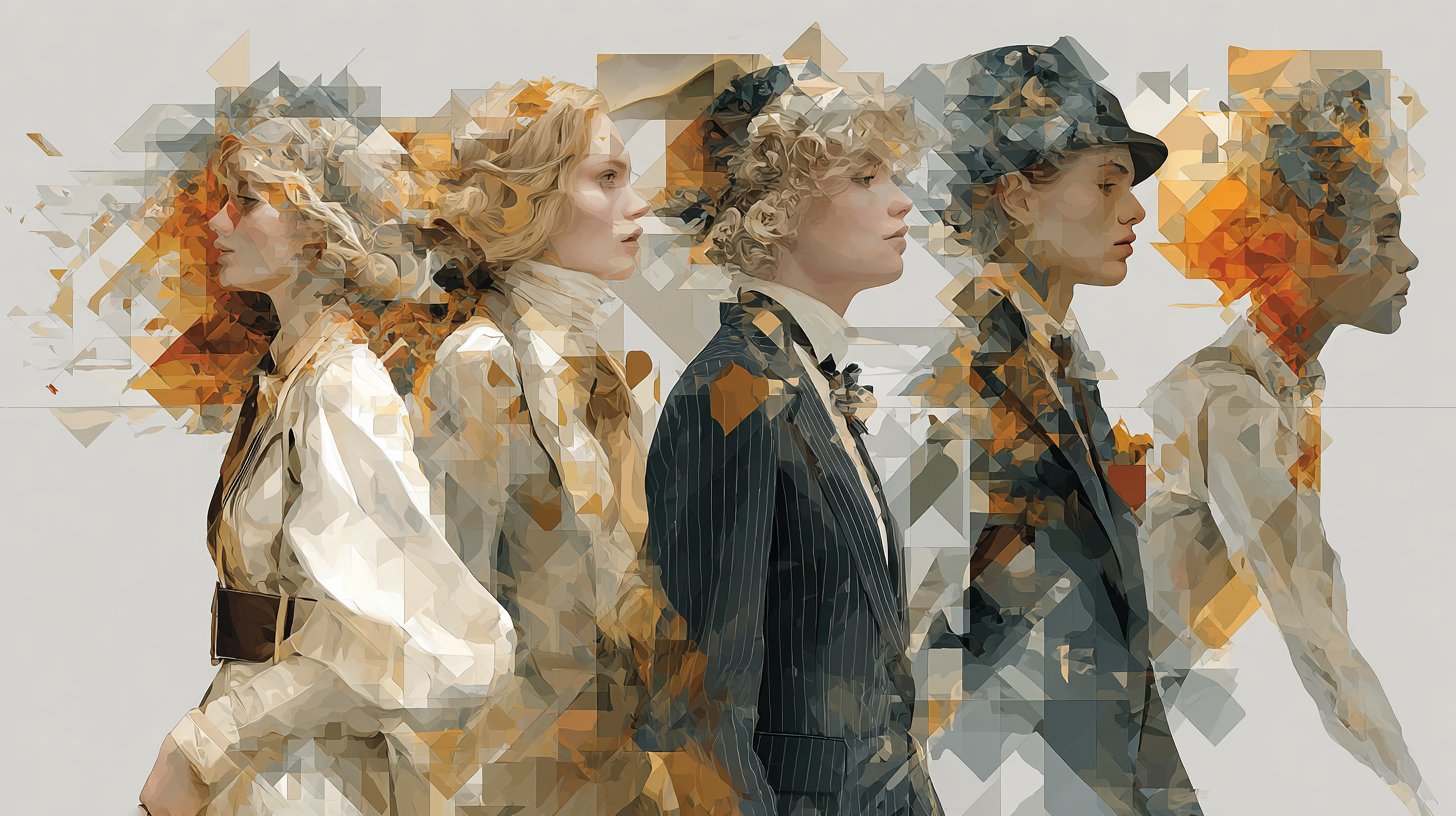
Fashion trends often emerge from social changes and cultural movements. If you are interested in current trends, this greatly influences your purchasing behavior. You not only want to be fashionable but also to be part of a community that shares similar values and beliefs. Trends can create a sense of belonging while also offering a way to express oneself. This contributes to the decision to buy something, even if you do not necessarily belong to the person who started the trend.
In today's world, where social media plays such a big role, fashion trends spread faster than ever before. If you seek inspiration on platforms like Instagram, Pinterest, or TikTok, you will be amazed at how quickly colors and shapes can set the tone for an entire seasonal collection. This makes fashion a powerful expression of individual and collective spirit.
In summary, it can be said that the connection between fashion and psychology represents a complex yet fascinating relationship. Colors and shapes not only influence our purchasing behavior but also our self-esteem and perception in society. By engaging with these concepts, you can not only develop your own style but also recognize the psychological effects of your decisions. Fashion is more than just clothing; it is a work of art that continually influences the feelings and thoughts of its wearers.