Living Resilience Consciously
Psychosocial Aspects of Resilience: A Guide
L
Resilience is a term that is gaining more and more importance in today's world. It refers to the ability to recover from difficult life situations and emerge stronger from them. On nikki.de, a magazine that addresses its readers like a close friend, we find many points of connection to illuminate the significance of resilience. In psychology, we understand that resilience is not just an innate trait but can also be learned and fostered. This article will bring you closer to the psychosocial aspects of resilience, provide insights, and offer practical tips that will help you actively strengthen your own resilience.
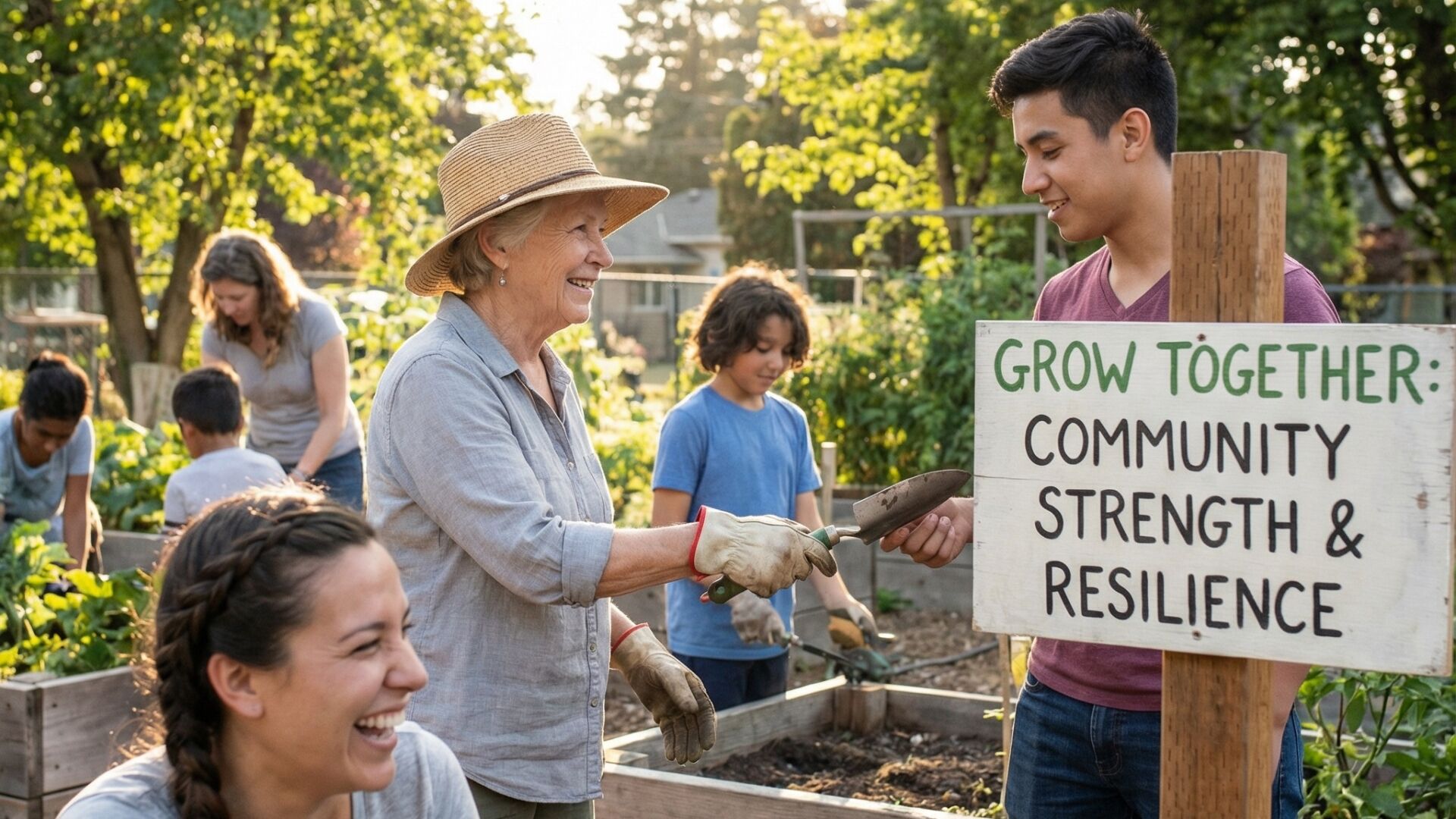
First of all, it is important to understand what resilience actually means. It encompasses not only the ability to cope with stress but also the art of recognizing and utilizing personal strengths. An important aspect of this is how we deal with setbacks. Instead of falling into despair, we can learn to take lessons from our experiences and view them as opportunities for growth. A resilient person sees challenges as opportunities for development, not as insurmountable obstacles. Imagine you are facing a great challenge, whether in your profession or private life. Instead of giving up and being led by fears, you could analyze the situation and find out what you can learn from it. This positive mindset not only contributes to your mental well-being but also strengthens your character and your ability to deal better with similar situations in the future.
The Role of Relationships
A central psychosocial aspect of resilience is the support from relationships. Whether friends, family, or colleagues – a strong social network can significantly contribute to resilience. If you have someone to turn to in times of crisis, it enhances your ability to cope with stress. Studies show that individuals with solid social relationships suffer less from stress and are more satisfied with their lives. Why is this so? Simply put: Support provides emotional relief and helps adopt different perspectives.
However, it is important to emphasize that not all relationships are the same. Quality relationships, in which there is trust and respect, are particularly valuable. It is crucial to identify negative relationships and end them if necessary. If you are surrounded by people who constantly put you down, this can undermine your resilience. Instead, you should seek positive influences that empower you and support your spirit.
Practical Tips for Promoting Resilience
To actively strengthen your resilience, there are various practical approaches that you can integrate into your daily life. One very effective way is to practice mindfulness. Through techniques such as meditation or yoga, you can learn to live in the moment and reduce stress. Mindfulness helps you better regulate your own thoughts and feelings and promotes a positive mindset.
Another important point is self-reflection. Regularly take time to think about your experiences and analyze what you have learned from them. For instance, write in a journal to organize your thoughts and track your progress. This can help you recognize patterns and approach future challenges more consciously.
Finally, it is essential to set goals. Set realistic and achievable goals that motivate you and give you a sense of purpose. Make sure to celebrate the steps you take towards achieving these goals, no matter how small they may seem. These successes, even if they are small, enhance your self-esteem and further build resilience.
Summary and Outlook
In summary, resilience is an essential skill in today's society. It helps us not only cope with stress but also promotes our overall mental well-being. By strengthening our social relationships, applying practical techniques like mindfulness, and engaging in self-reflection, we can significantly enhance our resilience.
Remember that resilience is a learnable skill. No matter where you currently stand, you have the opportunity to actively develop your resilience. Take the time to find out which methods work best for you and put them into practice. The path to resilience may be challenging, but the results are worth it.
Do not be discouraged if you experience setbacks – they are part of the learning process. With each step you take, you will become stronger and more resilient. Use the support of Nikki.de and the community to find inspiration and motivation. Your path to resilience begins now!