Understanding Generations Better
Strategies for Intergenerational Understanding in Relationships
M
In today's fast-paced world, it is not uncommon to encounter generational differences in relationships. Whether in romantic partnerships, friendships, or, for example, family bonds – differing perspectives, values, and communication styles can pose challenges. It is particularly important to recognize and understand these differences to avoid conflicts and maintain harmonious relationships. At Georgia.de, we support women in remaining centered and authentic in all aspects of their lives. Sometimes, this means engaging with and appreciating the perspectives of others. Let’s explore together how we can foster and introduce intergenerational understanding. The topics covered in this article are essential for personal growth and deep interpersonal connections.
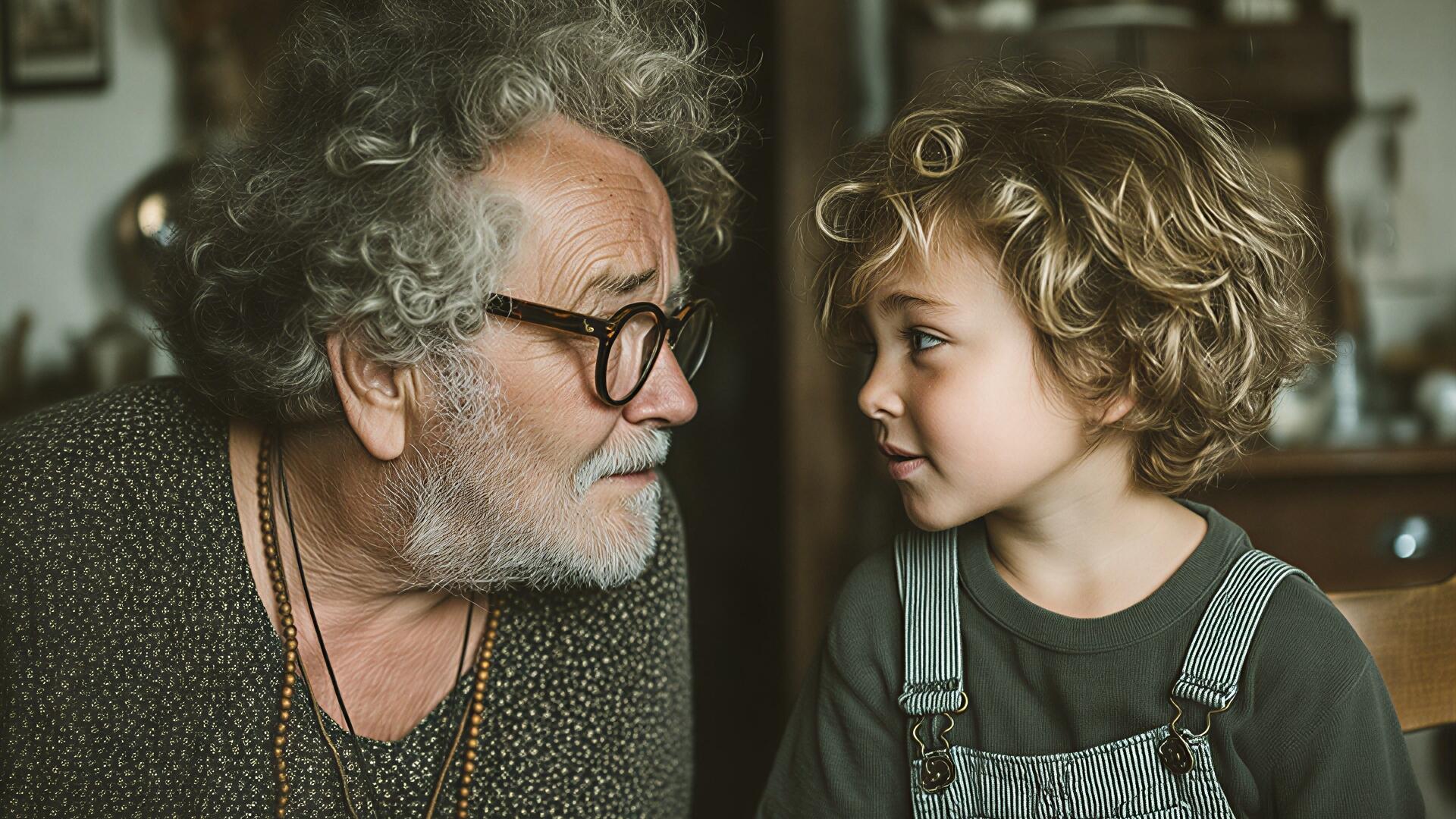
A key building block for creating clarity in relationships with different age groups is active listening. We often tend to assert our own viewpoint or opinions impressively in conversations rather than truly listening to the other person. Listening not only brings empathy but also shows respect for the other person's experiences and way of life. A good strategy to enhance this skill is to use open-ended questions. This way, you can give the other person the opportunity to share their thoughts and feelings in detail. Imagine you are talking to someone from an older generation who has different ideas about relationships. Instead of judging, let them express their view. This not only helps you but also gives the other person appreciation and recognition. In addition to listening, patience is also a valuable virtue in relationships with generational differences. Older generations may naturally be more traditionally oriented, while younger ones may prefer newer ways and methods. Furthermore, it is essential to take cultural context into account – what is taken for granted by one generation may seem unusual or even irritating to another. For example, it can be helpful to take time to understand the older generation, which may hold conservative values. Patience can often be the key to building bridges and actively avoiding misunderstandings. Remember that genuine connection takes time and that constant dialogue between generations is crucial.
The Importance of Empathy
Empathy plays a central role in addressing generational differences in relationships. By putting yourself in the other person's shoes, you can better understand why certain views or behaviors are held. Consider how life conditions differed across generations, and recognize the challenges each generation has faced. When you place yourself in the situation of an older person, you may realize that their skepticism towards new technologies stems from experiences of a different time. This perspective can help reduce prejudices and lead to more pleasant, productive communication.
An example of an empathetic conversation might look like this: When talking to an older relative about their aversion to social media, acknowledge that this person may have experienced the uncertainties and risks associated with it firsthand. By recognizing these fears and discussing your own positive experiences, you can open a dialogue based on appreciation. This does not mean you have to adopt or change their opinion, but simply develop an understanding of where they are coming from. Such conversations can not only lead to deeper understanding but also strengthen the bond between generations in the long run.
Another strategy for addressing generational differences is to promote shared interests or activities. Find ways to spend time together. This can be anything from shared hobbies to cultural events. By sharing something, you create not only memories but also opportunities to communicate informally. Thus, differences between generations, which may feel disruptive, can be transformed into something positive. We learn from each other and embark on a journey of discovery together. Smaller game nights or cooking together can help deepen relationships and create a valuable foundation.
Constructive Handling of Conflicts
Despite all efforts, conflicts in intergenerational relationships cannot always be avoided. The key lies in how these conflicts are handled. A proactive and solution-oriented approach is crucial. Start by creating a safe space where everyone feels heard before a dispute arises. When a conflict occurs, try to remain calm and composed. Communicate directly and honestly, without making accusations. Instead of saying 'You never...', rather say 'I feel uncomfortable when...'. This technique can work wonders to keep the other person from becoming defensive.
Additionally, it is important to realize that conflicts can also present an opportunity for growth. By discussing different perspectives, you can gain valuable insights and grow personally. Remember that every confrontation is not just a challenge but also an opportunity to deepen the bond. This is particularly true in relationships between older and younger generations: approaching conflicts with patience and understanding can lead to sustainable trust building.
Conclusion and Practical Tips
In summary, dealing with generational differences in relationships presents a challenge but also offers many opportunities for personal and communal development. By utilizing the principles of active listening, patience, and empathy, you can strengthen the connection between generations. Remember that understanding and appreciation are the foundation for maintaining harmonious relationships in the long term. Each of us has valuable life stories to tell, and every perspective is important in shaping this colorful tapestry of life.
Use the strategies mentioned above in your everyday life to build bridges between generations. Initiatives to spend more time together and engage in healthy conversations can work wonders. Do not view differences as obstacles, but rather as opportunities for growth and development. Always keep in mind: it is about making a connection, fostering understanding, and making the most of diversity. Find joy in different perspectives and acknowledge that this diversity enriches life in every conceivable way.