Stars in Film
How Astronomy Enchants the Film World
L
Astronomy, special effects, and film production are closely connected. In today's world, filmmakers use the fascinating knowledge of space to create breathtaking visual effects that transport the audience to other dimensions. From epic space battles to realistic depictions of planets and stars – the use of astronomical concepts in films has revolutionized the way we tell stories.
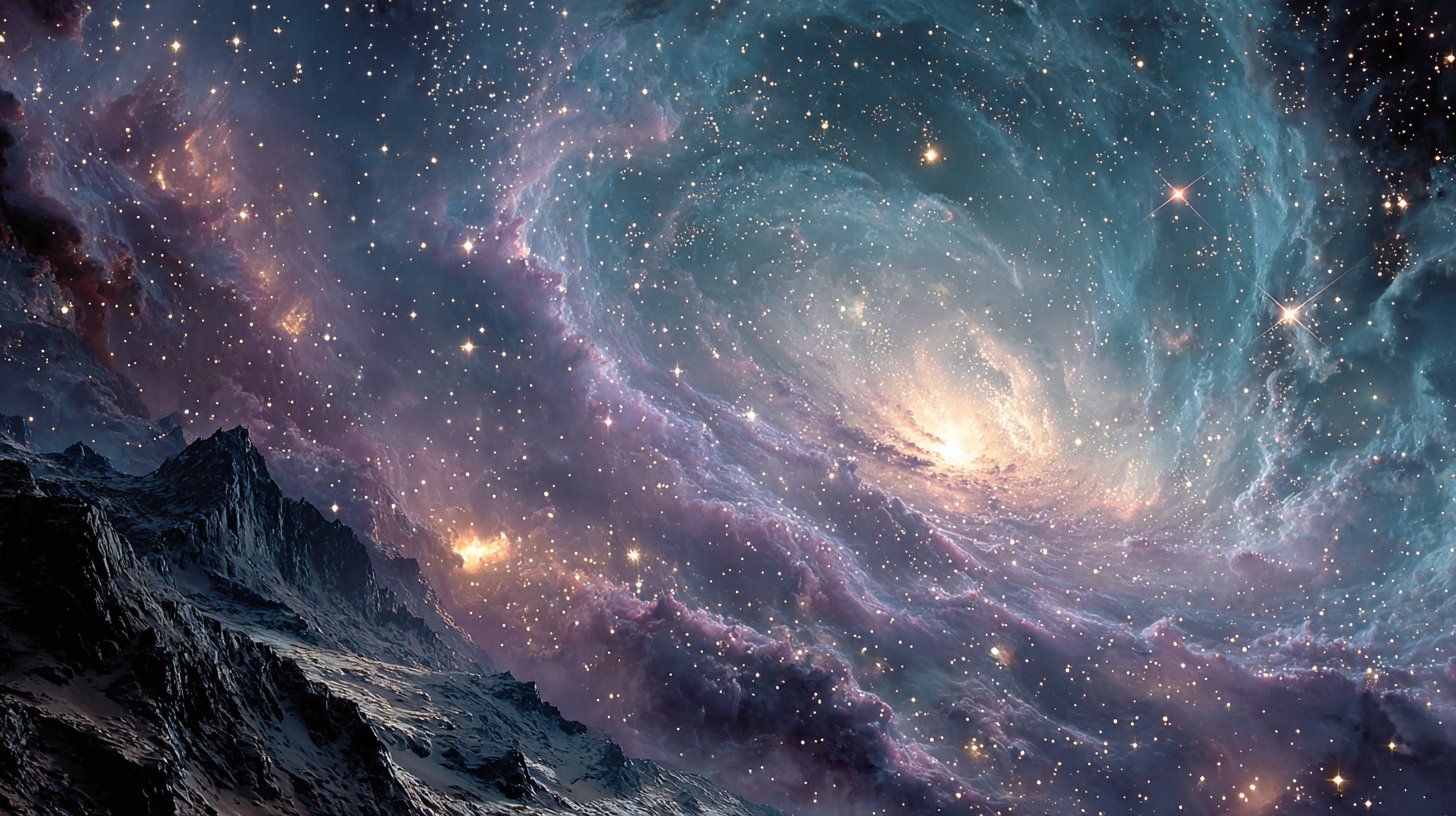
The influence of astronomy on film production is extensive and often surprising. Many blockbusters set in space are based on scientific theories and models developed by astronomers and physicists. The use of cutting-edge technology, such as CGI (Computer Generated Imagery), enables filmmakers to visually implement these complex concepts. Films like "Interstellar" and "Gravity" impressively demonstrate this by weaving scientific principles into their narratives and creating an impressive visual experience.
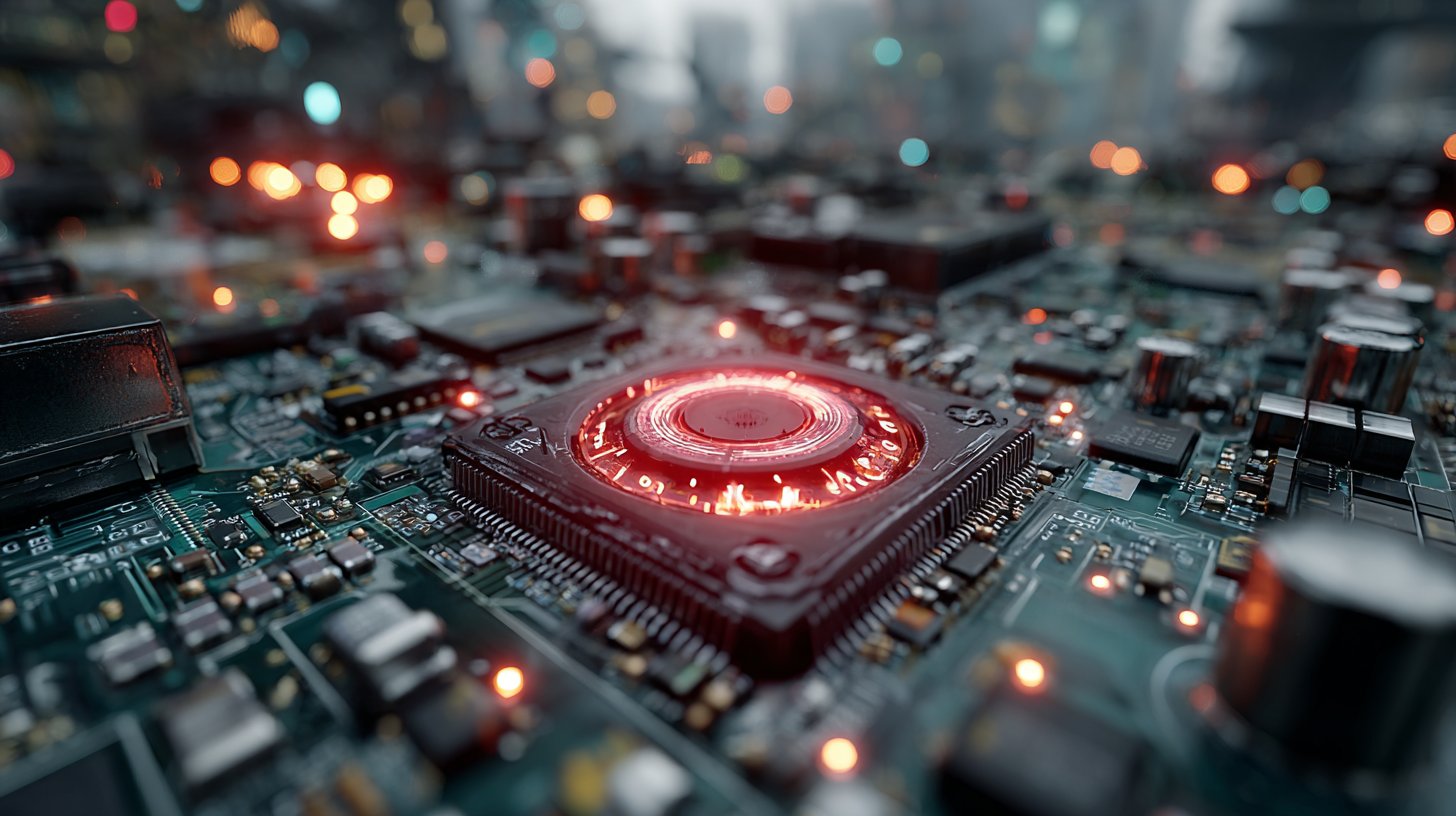
The Technology Behind the Effects
The implementation of astronomical phenomena in films requires a combination of artistic talent and technological know-how. CG animations and visual effects are combined with real astronomical data to achieve a realistic representation of space. Software tools play a crucial role in this process. Programs like Blender or Maya are frequently used to accurately model the structures of planets, stars, and galaxies. Simulating gravitational fields and lighting conditions is also essential to create the illusion of a real environment.
Scientific Fundamentals
The scientific foundations behind the visual effects are equally fascinating. Astronomers use models and simulations to understand how celestial bodies move and interact. These insights not only contribute to the scientific community but also directly impact the film world. The film "Interstellar," for example, is based on the theories of physicist Kip Thorne, who was involved in the development of the screenplay. The portrayal of wormholes and time dilation in the film is not only spectacular but also scientifically grounded.
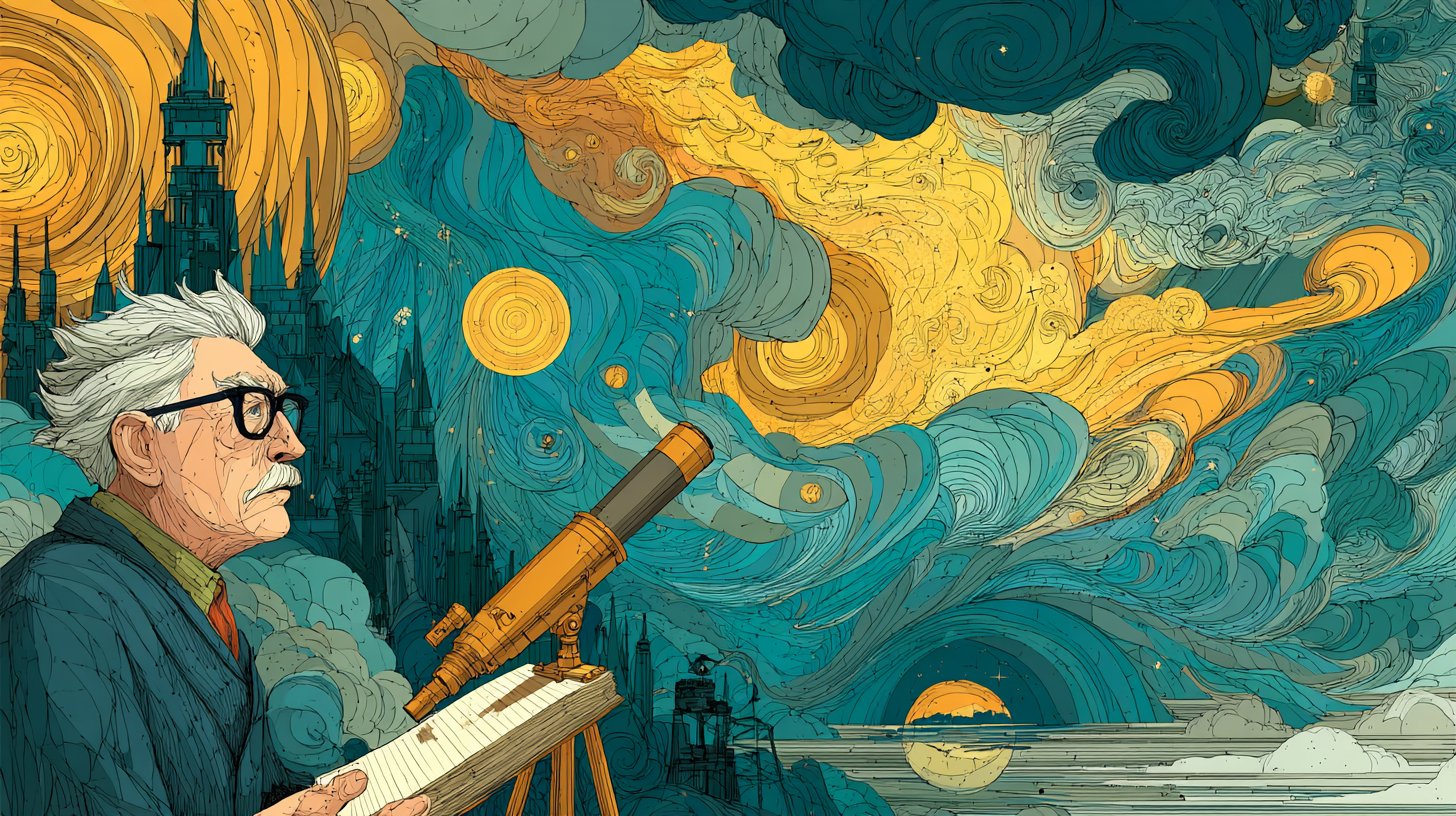
The Magic of Storytelling
The connection between astronomy and film production also opens up new possibilities for storytelling. Films can explore the unknown, raise questions about our existence, and confront us with the infinite vastness of the universe. By incorporating astronomical elements into the plot, films can achieve deeper emotional resonance. Audiences are not only entertained but are also encouraged to reflect on their own existence and humanity's place in the universe. This leads to a newfound appreciation for science.
Overall, the use of astronomy in film production is an exciting field that stimulates imagination while promoting scientific education. It allows filmmakers to tell stories that go beyond the boundaries of Earth and bring us closer to the wonders of the universe. By utilizing the technologies and principles of astronomy in films, we provide audiences with not only entertainment but also the opportunity to engage with the questions of life, the universe, and everything in between.
In summary, the integration of astronomy into film production represents a fascinating symbiosis of art and science. You will find that this combination of techniques not only enhances the visual aesthetics of films but also strengthens their scientific relevance. Whether it is a blockbuster or an independent film – the inclusion of astronomical concepts means that filmmakers take pride in inviting their audience into the fascination of space. Your next trip to the cinema could therefore be not just an exciting adventure but also a new discovery in the name of science.