Boundless Fascination
Black Holes: The Mysterious Complexity of the Universe
L
Black holes, space, time – these are not just words from a science book, but fascinating concepts that challenge our understanding of the universe. They are the most extreme events in space, instilling both fear and fascination. In this article, we will explore the secrets and science behind black holes and find out what they have to do with our perception of space and time.
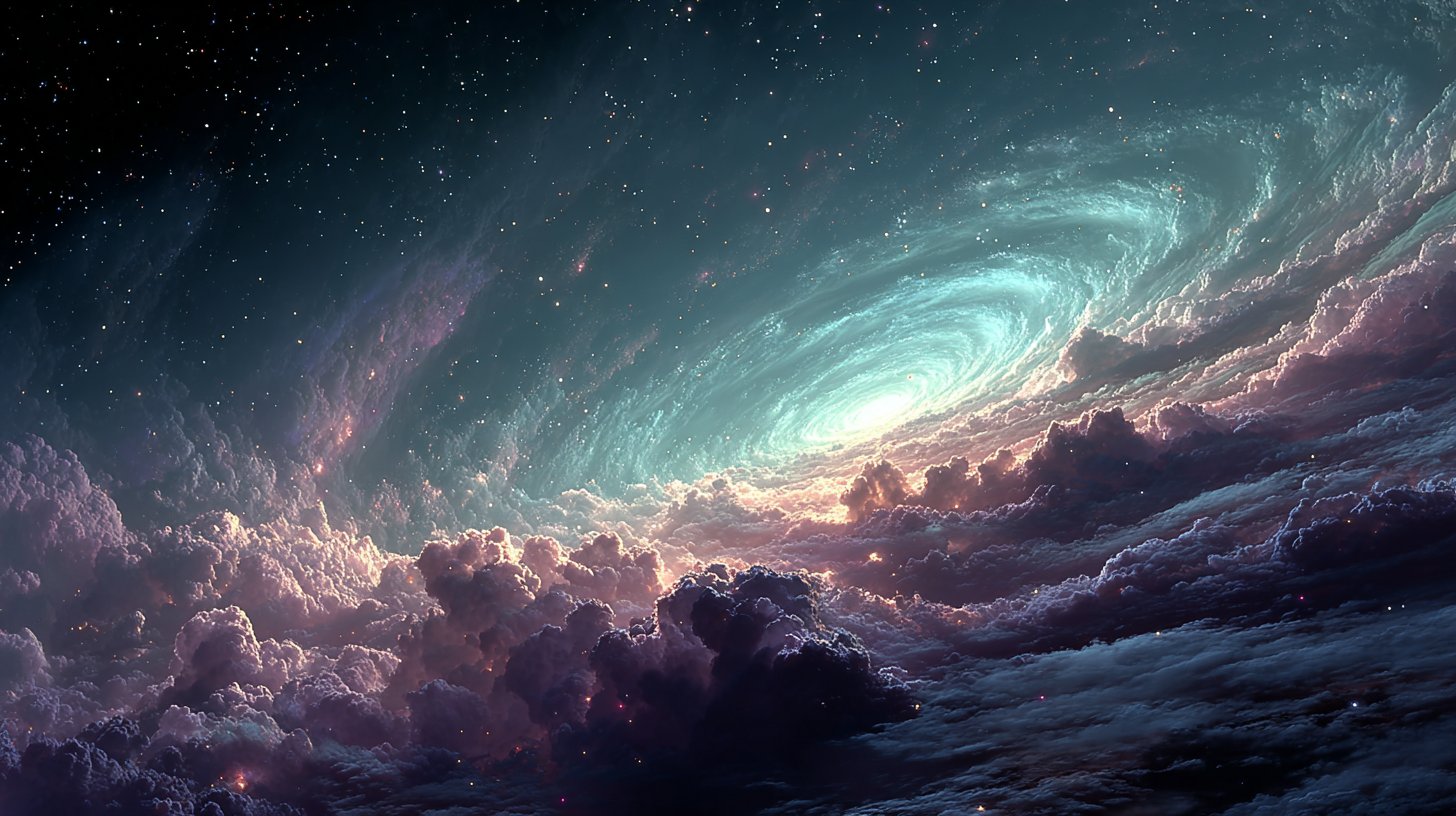
Black holes are places in the universe where gravity is so strong that not even light can escape. This means they are invisible and can only be detected by their effects on the surroundings. These mysterious objects often form when massive stars collapse at the end of their life cycle. But even though they fascinate us, we still do not know everything about them. That is precisely what makes them so exciting – they are like the unknown terrain waiting to be discovered.
The Formation of Black Holes
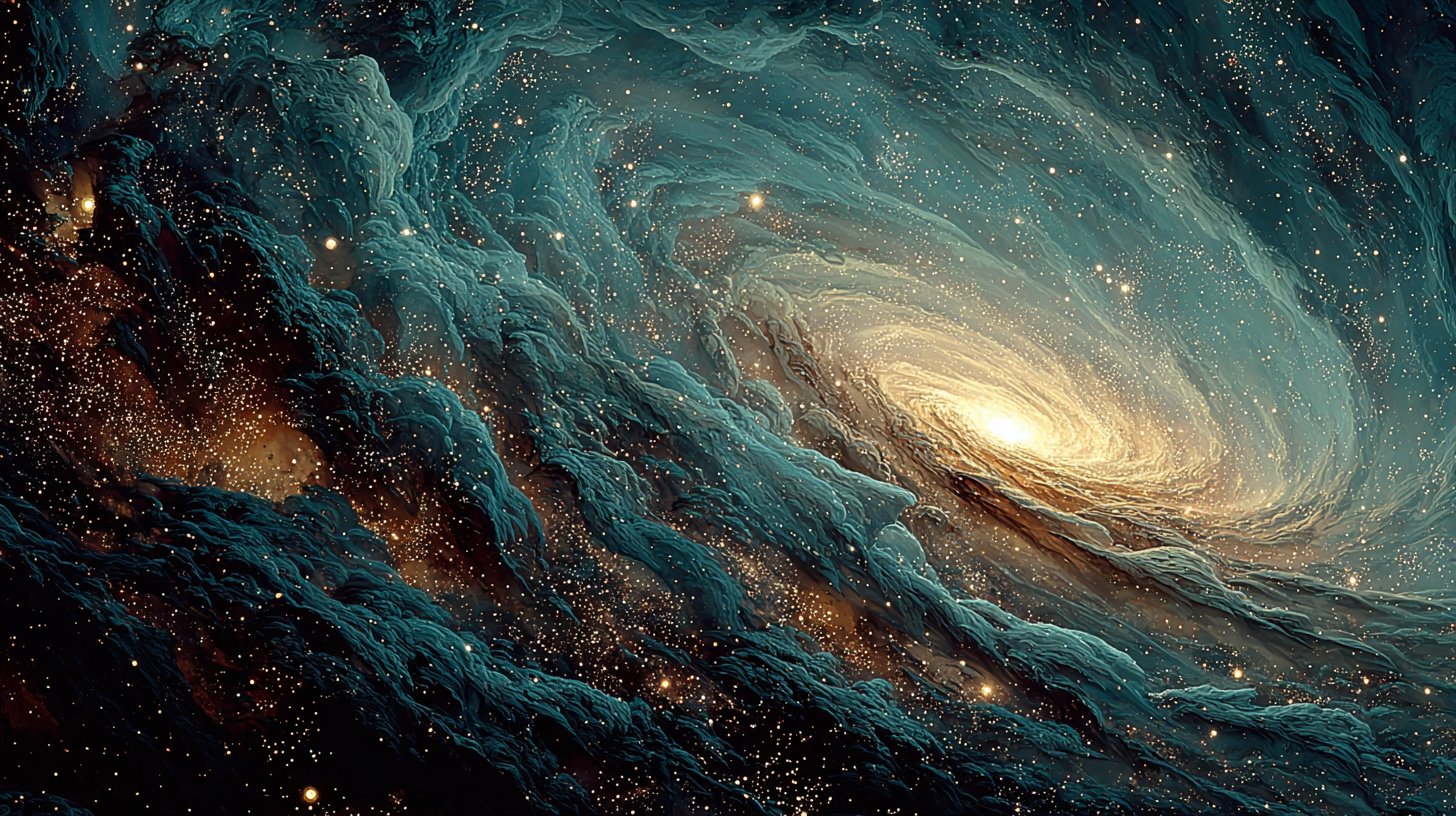
There are different types of black holes, and their formation can have various reasons. The most common type is the stellar black hole, which arises from the collapse of massive stars. When such a star has exhausted its fuel, it can no longer generate enough pressure to counteract gravity, leading to a catastrophic collapse. The core of the star becomes so small and dense that it turns into a black hole. However, that is not the only scenario – there are also supermassive black holes, which are found in the centers of galaxies and can possess millions to billions of solar masses. Their formation could be linked to the formation of galaxies themselves and is still being intensively researched.
The Effects of Black Holes on Space and Time
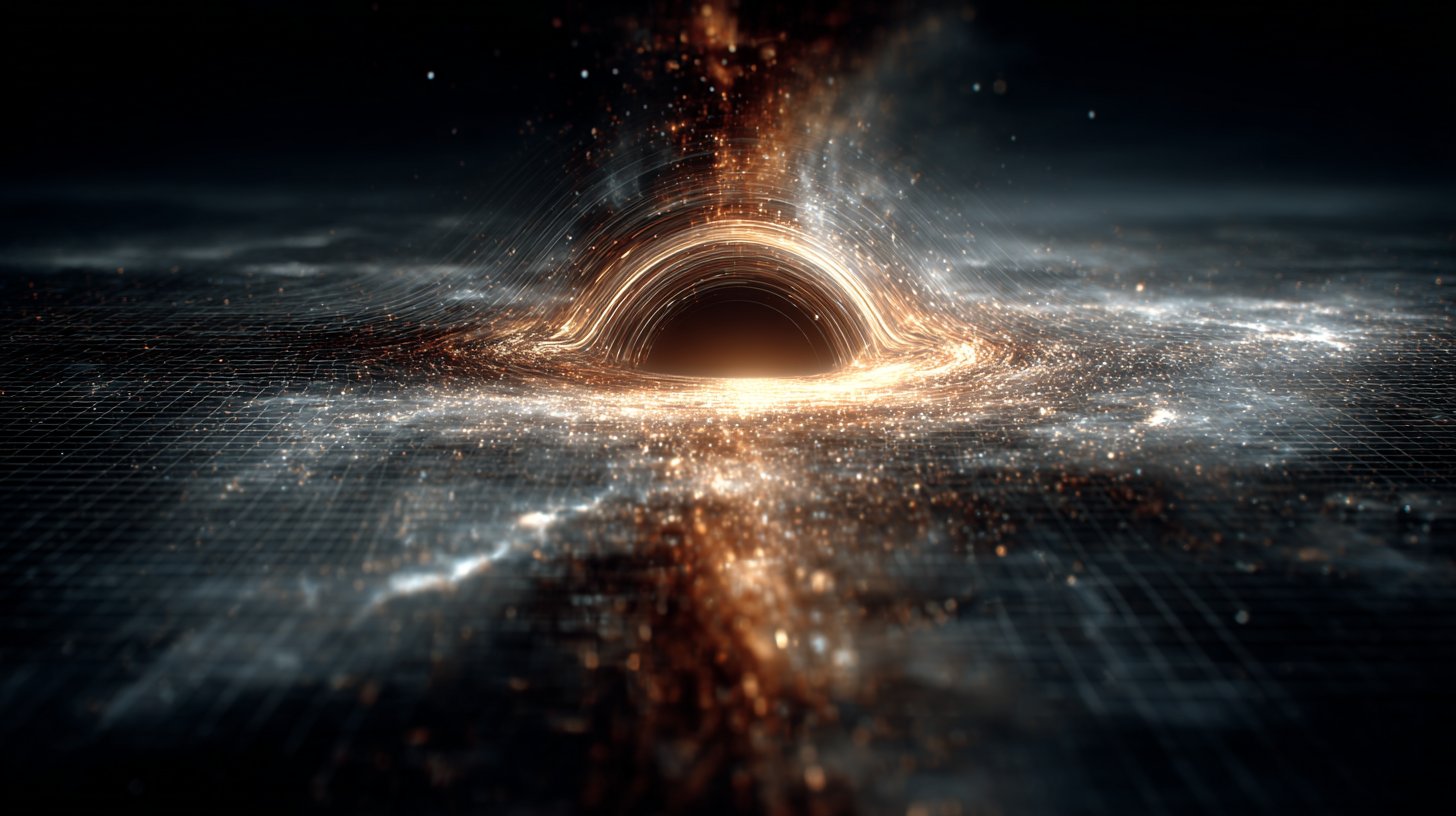
One of the most astonishing things about black holes is their ability to influence the structure of space and time. According to Einstein's General Theory of Relativity, massive objects—like black holes—warp the space around them. Imagine you have a taut cloth and place a heavy ball on it. The cloth will deform around the ball. Now if small balls roll over the cloth, they will move towards the large ball instead of continuing in straight lines. This is how black holes function, attracting everything that comes close and not letting it escape. This distortion of space-time also leads to phenomena like the time dilation effect: the closer you get to a black hole, the slower time passes for you compared to someone who is farther away. This is a fascinating concept that is not only significant for scientists but also for our understanding of time.
Black Holes and the Universe
The existence of black holes also has profound implications for our understanding of the universe. They pose deep questions about the nature of matter and energy, as well as the limits of knowledge itself. Researchers have found that black holes may play a key role in the process of galaxy formation and that they generate gravitational waves during their evolution, which we can now detect. These discoveries expand our understanding of the cosmos and encourage us to ask questions that we previously did not dare to ask. What else is out there to discover? What secrets does the universe hold for us?
In summary, one can say that black holes are not only fascinating astronomical objects but also leave traces to the greatest mysteries of the universe. By studying these enormous gravitational traps, we can gain new insights into the nature of the universe and significantly expand our knowledge of space and time. They are what teaches us to be small and humble in the face of the vast cosmos, and at the same time, they stimulate us to continue exploring and learning more about it.
The fascination with black holes will accompany us as long as humanity exists. They represent the limits of our current knowledge and remind us that science is a continuous process of learning and discovery. By dedicating ourselves to the mysteries of the universe, we can not only expand our knowledge but also our wonder about the wonders of life itself.