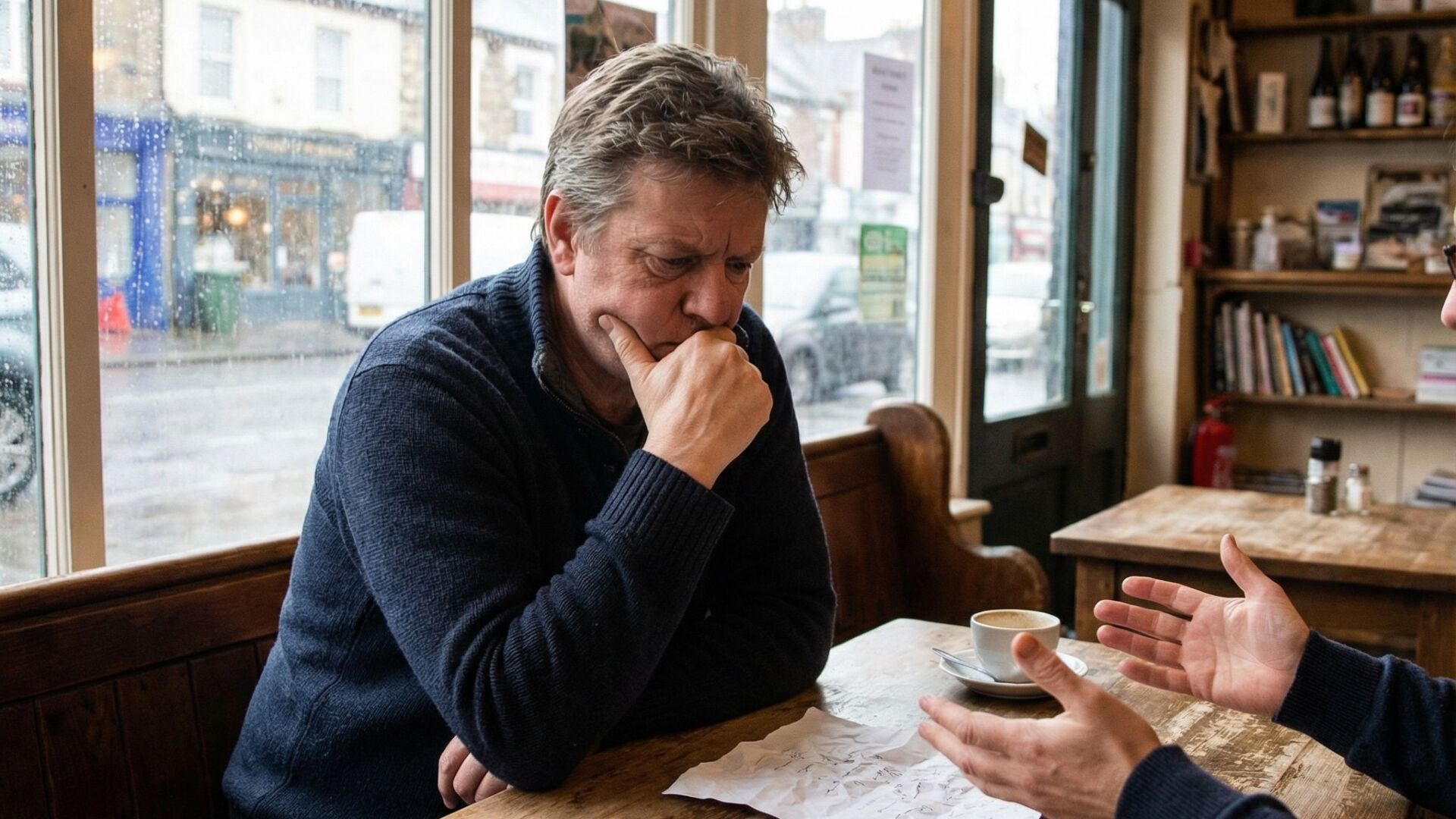
Mastering conflicts constructively
Resolving conflicts constructively: Here’s how to do it best
L
Conflicts are a natural part of our lives and can arise in various areas, whether at work, in the family, or among friends. While many conflicts are unavoidable, the question remains how we can handle these challenges. At lifescout.com, an inspiring place for women focused on the psychology of interpersonal relationships and personal growth, we want to show you how to resolve conflicts constructively. In this article, you will find practical tips and valuable advice to help you develop harmonious relationships and promote positive communication.

The first step to constructive conflict resolution is understanding your own position and that of others. Conflicts often arise from misunderstandings or differing perspectives. To recognize and address these, an open conversation is essential. Take the time to actively listen and understand the other person's point of view. For example, if you are discussing a project with a colleague and have differing opinions, you might first listen to her arguments before presenting your own points. This not only fosters understanding but also a sense of appreciation. Another important aspect is emotional intelligence. It helps us perceive our own emotions as well as those of others and respond appropriately. In stressful situations, it can be beneficial to take a break to regulate your own emotions before continuing the conversation. By naming and discussing your feelings, you convey to the other person that you are ready to communicate openly.
Giving constructive feedback
Constructive feedback is crucial for conflict resolution. Instead of placing blame, you should frame your feedback in a way that does not attack the other person. Instead of saying, 'You never do what I say!' you could say, 'I feel overlooked when my suggestions are not considered.' This formulation allows the other person to accept the feedback without feeling attacked. Such an approach can not only help resolve conflicts but also avoid future misunderstandings.
Setting clear boundaries is also important. Clearly communicate what you accept and what you do not, without aggressive or defensive tones. If you feel uncomfortable in a situation, do not hesitate to address it. An honest dialogue about personal boundaries can often help prevent conflicts early on. An example of this could be clarifying in a team meeting that you appreciate it when everyone respects each other's time and arrives on time.
Finding common solutions
To effectively resolve conflicts, it is important to develop solutions together. This requires teamwork and the acknowledgment that both sides may need to make compromises. Try to find a solution that is acceptable to all parties involved. A proven method for this is brainstorming. Invite those involved to make suggestions without immediately evaluating or rejecting them. This promotes creativity and the feeling of being heard.
Once you have found a solution that is acceptable to all, implement it and check if it works. Sometimes adjustments are needed after implementation to optimize the agreement. Hold regular follow-up meetings to ensure that all parties are satisfied and their needs are met. This shows that you are interested in a long-term solution.
It is also important to be patient. Conflicts do not always resolve immediately, and it can take time to improve communication and restore trust. Allow yourself and others to go through this process at your own pace and learn from the experiences.
Conclusion and action approaches
In summary, conflicts can arise in all areas of life, but they do not necessarily have to be negative. Instead, they offer a valuable opportunity for growth, both individually and in relationships. By acting with emotional intelligence, giving constructive feedback, and finding common solutions, you not only strengthen your conflict resolution skills but also your relationships with others.
Therefore, aim to remain calm in conflict situations, communicate openly, and always strive for solutions that cater to all involved. In this way, you will not only strengthen your conflict competence but also contribute to a positive and harmonious atmosphere. Remember that every conflict also represents a chance for change and growth. Be courageous and proactively approach people to clear up misunderstandings.