Addressing criticism constructively
Dealing with criticism: How to respond appropriately
N
Criticism is a part of our lives and can come in many forms, whether in school, at work, or in social settings. Dealing with criticism can be challenging for many people, especially when the feedback is unexpected or negative. At lifescout.com, we focus on how you can not only accept criticism but also use it as a valuable opportunity for personal development. Our goal is to provide you with tools that help you strengthen your emotional intelligence and better understand your reactions to criticism. Here you will learn how to deal with criticism constructively and what strategies can help you maintain control and strengthen your relationships.
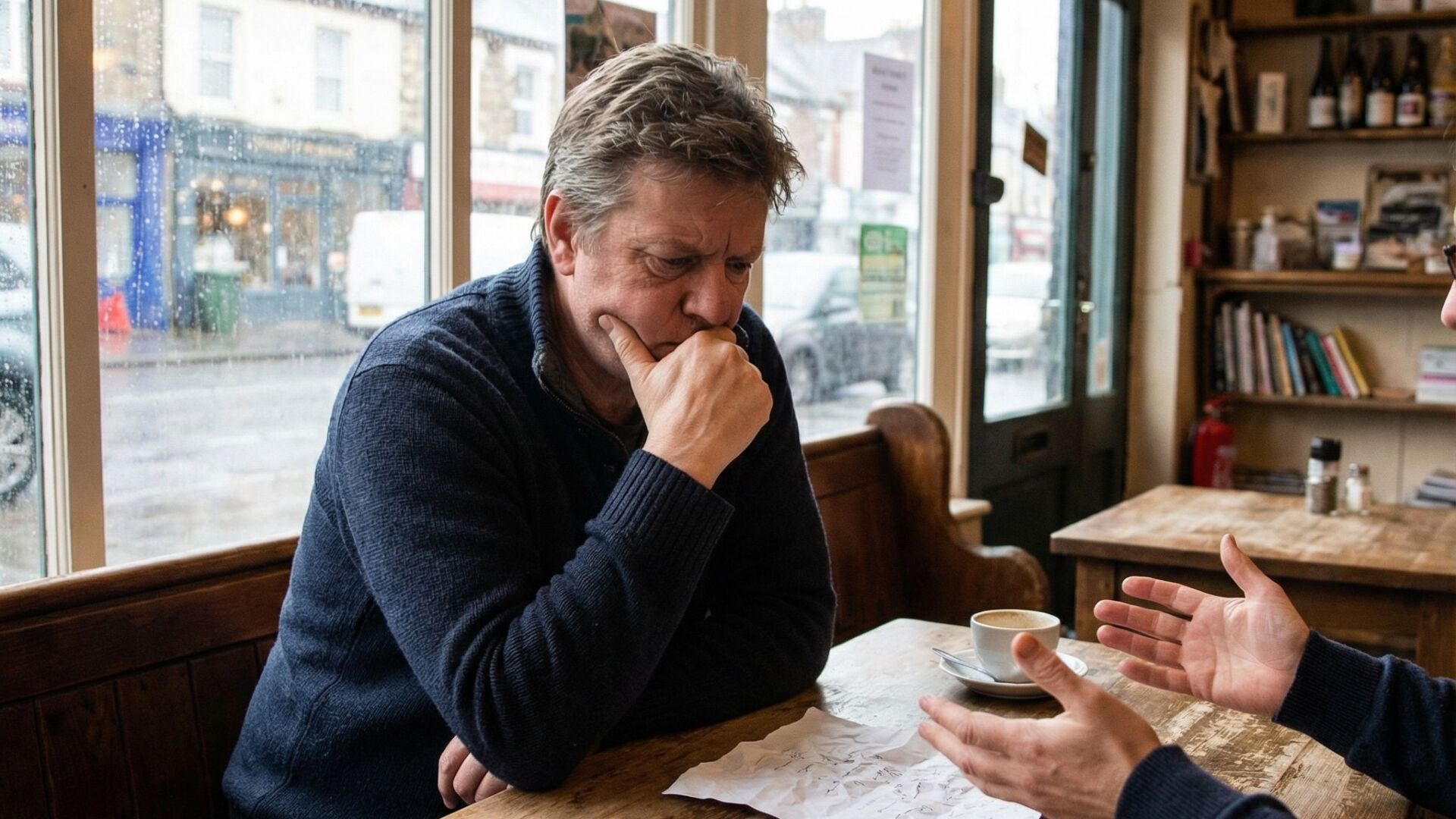
The first step in dealing with criticism is to adopt an open attitude. Instead of reacting defensively right away, allow the criticism to sink in. Take a moment to regulate your emotions. A little trick is to take a deep breath. By pausing for a moment, you can control your reaction and view the situation from a more objective perspective. Ask yourself: Is there any truth to the criticism? Can I learn from this? This self-reflection will improve your ability to process critical feedback.
Recognizing constructive criticism
Not all criticism is equal. Constructive criticism aims to help you and promote your growth. It is specific, honest, and respectfully formulated. If you feel that the criticism is personal or hurtfully expressed, it is important to distinguish that from constructive feedback. Listen carefully to what is being said and try to filter the content of the criticism. You can also ask for clarification if something remains unclear – this shows that you are interested and gives you the opportunity to clear up misunderstandings.
An example of constructive criticism could be: 'I noticed that you had difficulties structuring your presentation clearly. Perhaps you could try organizing your main points?' This addresses the challenge without personally attacking you. Such feedback is much more effective and gives you clues on how to improve. Remember that criticism is often objective and useful, even if it is hard to accept initially.
To make the most of criticism, it is helpful to take notes or share the conversation with a trusted friend. The more you reflect on the nature of the criticism, the better you will be prepared to handle it positively in the future. Try to understand what the critic's intention was and how this feedback serves your own growth process.
The emotional component
Emotions play a crucial role when we deal with criticism. Often we feel shame, anger, or fear when receiving negative feedback. To cope better with these emotions, it is important to acknowledge them and accept that they are part of being human. By verbalizing your emotions or keeping a journal, you give yourself space to process. Feelings are not always rational, but they influence our behavior.
Another helpful approach is to change the inner dialogues. Instead of thinking, 'This is a disaster, I am inadequate,' try thinking, 'This is an opportunity to learn and grow.' This simple shift in perspective can make a significant difference in your psychology and help you become less reactive.
Key insights
In summary, dealing with criticism is a skill that you can develop. Start by adopting an open and honest attitude and reflect on the criticism to learn from it. Remember that the first emotional impulse is not always the best one — take your time and breathe. Distinguishing between constructive and destructive criticism helps you filter out what is valuable to you and let go of the rest.
If you internalize these techniques, you will not only be able to deal better with criticism, but also strengthen your self-esteem and improve your interpersonal relationships. Ultimately, the path to personal development is a process that enriches not only your own life but also the lives of those around you. Be brave and take this step.