Space suits rethought!
Advanced space suits: Evolution in design and technology
M
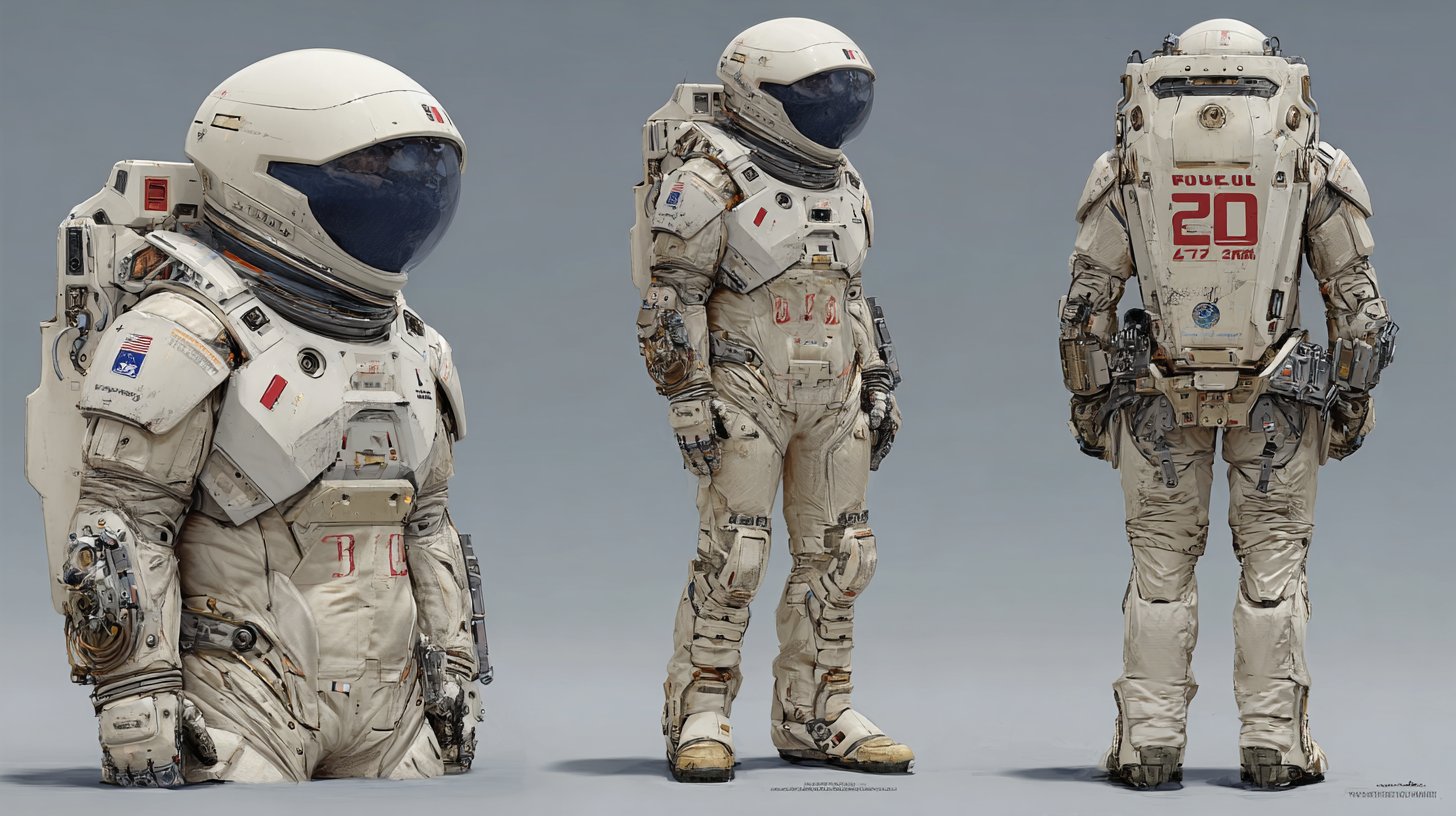
The development of space suits is a fascinating journey through technology, design, and the relentless human quest for exploration. Even the earliest designs of these habitats in space were characterized by pure functionality and the question of how to withstand the extreme conditions in space. Today, modern space suits not only combine safety and function, but also style and comfort – and they face challenges that are constantly evolving.

From the very first prototypes developed during the Space Race in the 1960s, today's space suits are not lacking in innovations. The initial models were often stiff, heavy, and above all provisional – they were more of a shield against the vacuum of space than real garments. With each new spaceflight project, the demands on the design of the suits became more complex. Astronauts needed more freedom of movement, better temperature protection systems, and thinking features to function in such an extreme environment. The drive to explore space led to space suits becoming increasingly sophisticated and efficient.
Innovations in construction
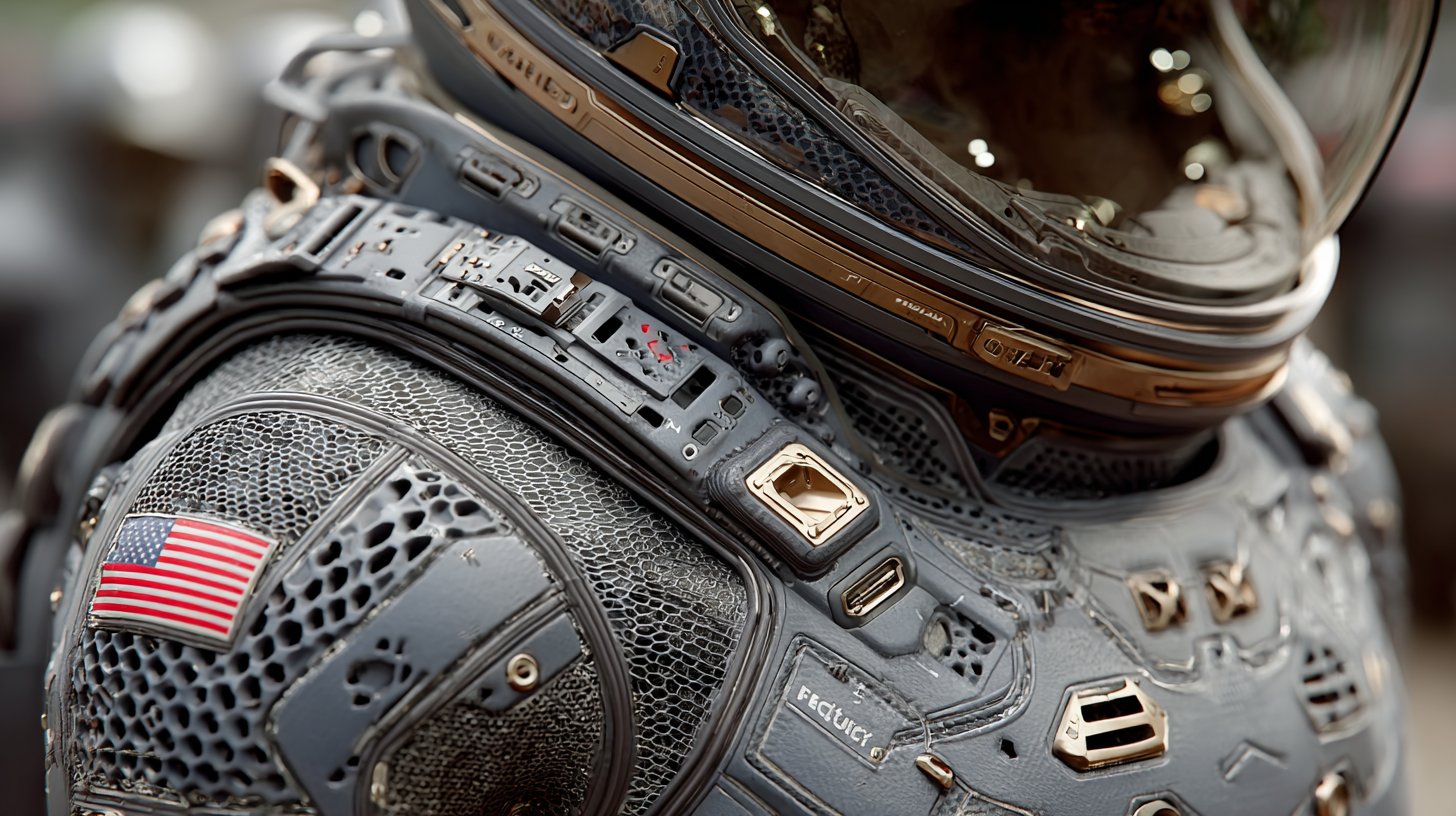
The most innovative technologies used in modern space suits have significantly improved protection and functionality. Materials like Kevlar, used in bulletproof vests, provide an additional layer of protection against micrometeoroids. Additionally, sweat-absorbing fabrics and temperature regulating systems are used to maximize the comfort of astronauts. Compared to the appendages of the first space suits, the new models can now be controlled more flexibly and lightly.
Another significant advancement is the integration of advanced communication and technology platforms directly into the suit itself. Astronauts can now communicate in real-time during their missions without losing their protective safety. These features are crucial not only for communication but also allow for real-time monitoring of health data. Thus, the health system of the suit can immediately detect any issues faced by the astronauts and respond accordingly.
Challenges of space suit technology
Despite all these advancements, there are still challenges faced by space suit developers. One of the biggest difficulties is creating space suits that are versatile enough to be used in different environments, such as on the moon's surface or Mars. Each of these scenarios requires specific adaptations regarding mobility, weather protection, and temperature regulation.
Additionally, there is the issue of the suits' lifespan. The materials must be designed to withstand extreme temperatures and physical demands while the technology behind these materials continues to evolve. Finding this balance between novelty and proven technology presents a constant challenge for scientists.
Outlook for the future of space suits
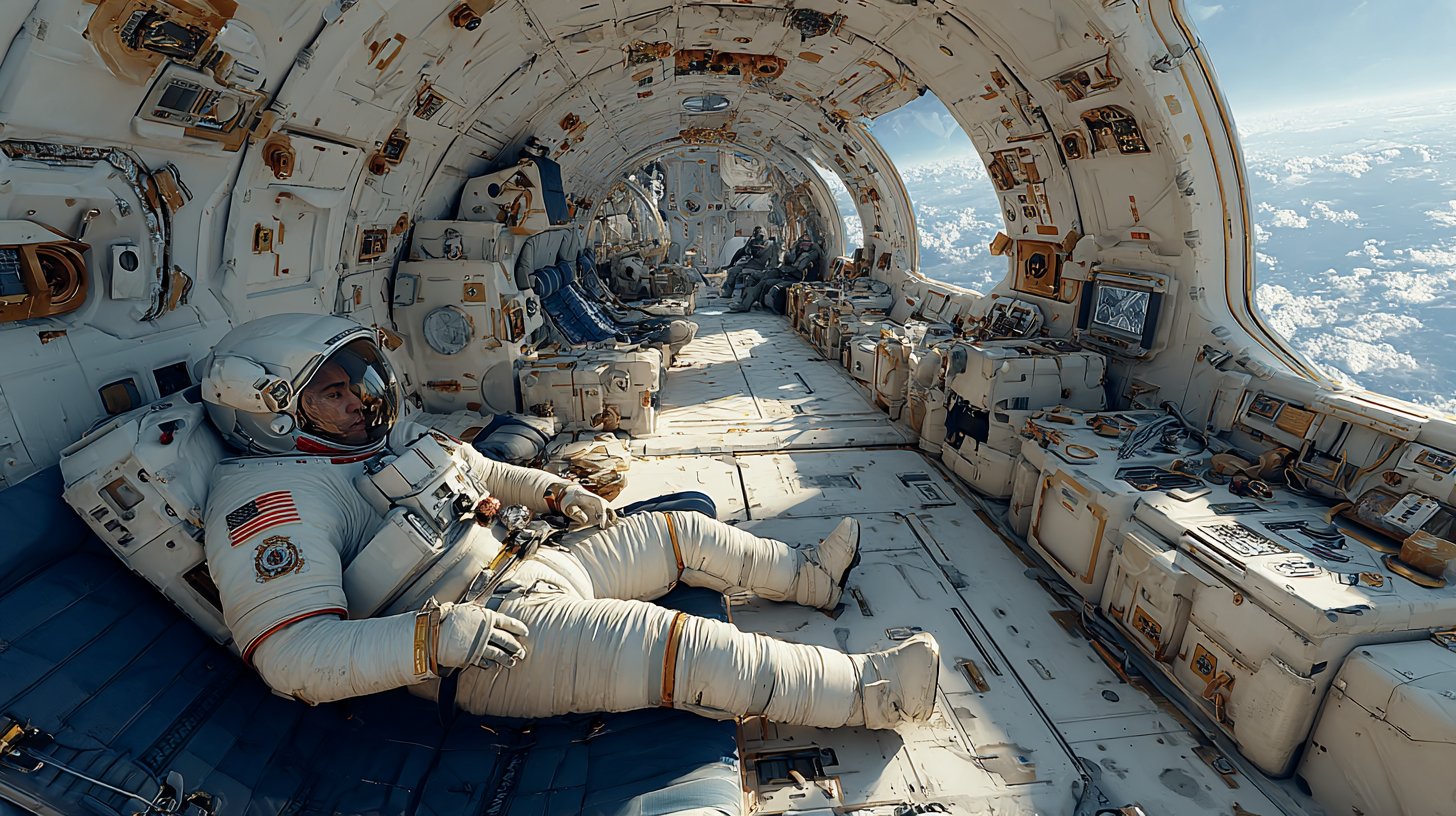
The future of space suits looks promising. Scientists and designers are working on technologies that are not only beneficial for the human body but also include customizable suits that can self-repair. Imagine a space suit being able to seal small cracks or holes autonomously – that would revolutionize survival in space! The development of modular suits could also lead to more flexible designs that can be personalized for different missions.
Experimental approaches, such as the use of exoskeleton-like structures, could enhance astronauts' physical strength and provide them with even greater flexibility in their work in space. The focus on sustainability also plays a role, making the materials more environmentally friendly and producing less diagnostic waste.
In summary, the development of space suits represents a constant evolution deeply rooted in the history of space exploration. From the frantic beginnings to the technologically advanced models we know today, the progress in space suit design also reflects the human spirit of innovation. The challenges are diverse, but advancements in technology and the passionate commitment of researchers and designers inspire hope for an exciting future of human exploration of space.
Thus, you see that the journey of the space suit has grown from pure protection to a technological marvel that provides both safety and shade. The questions of functionality and design are in constant competition with the ever more demanding requirements that our exploration of space places upon us. Let us be inspired and motivated by this development to apply creative pressure in our own lives and embrace the challenges that lie ahead.