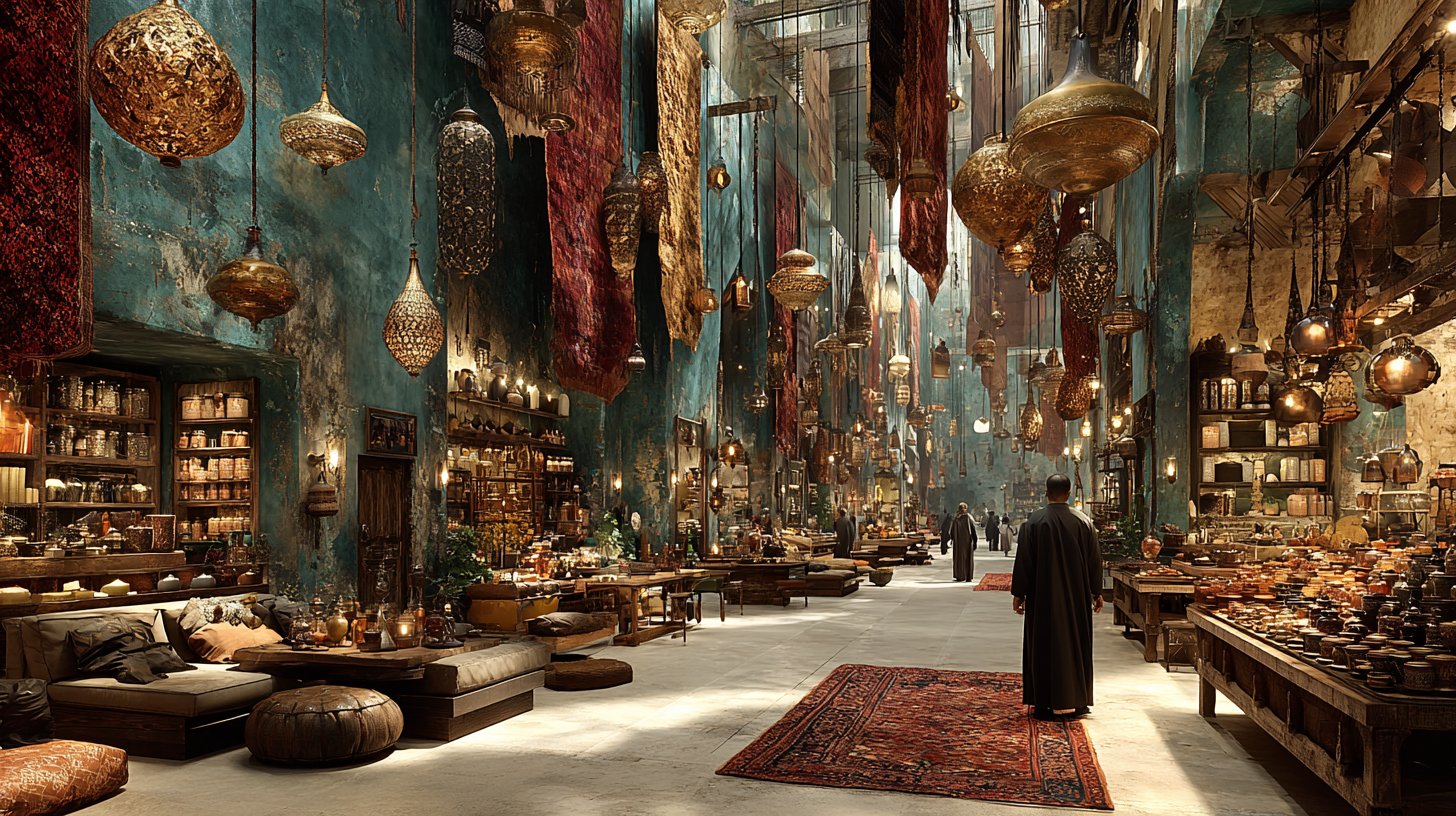
Tradition meets innovation
How craftsmanship influences modern markets
M
Cultural heritage in retail, craftsmanship, and modern markets are topics that seemingly lie far apart. But how much do old traditions and masterful craftsmanship influence the current trading landscape? In this article, we will look at how treasures from the past enrich today's shopping experience.
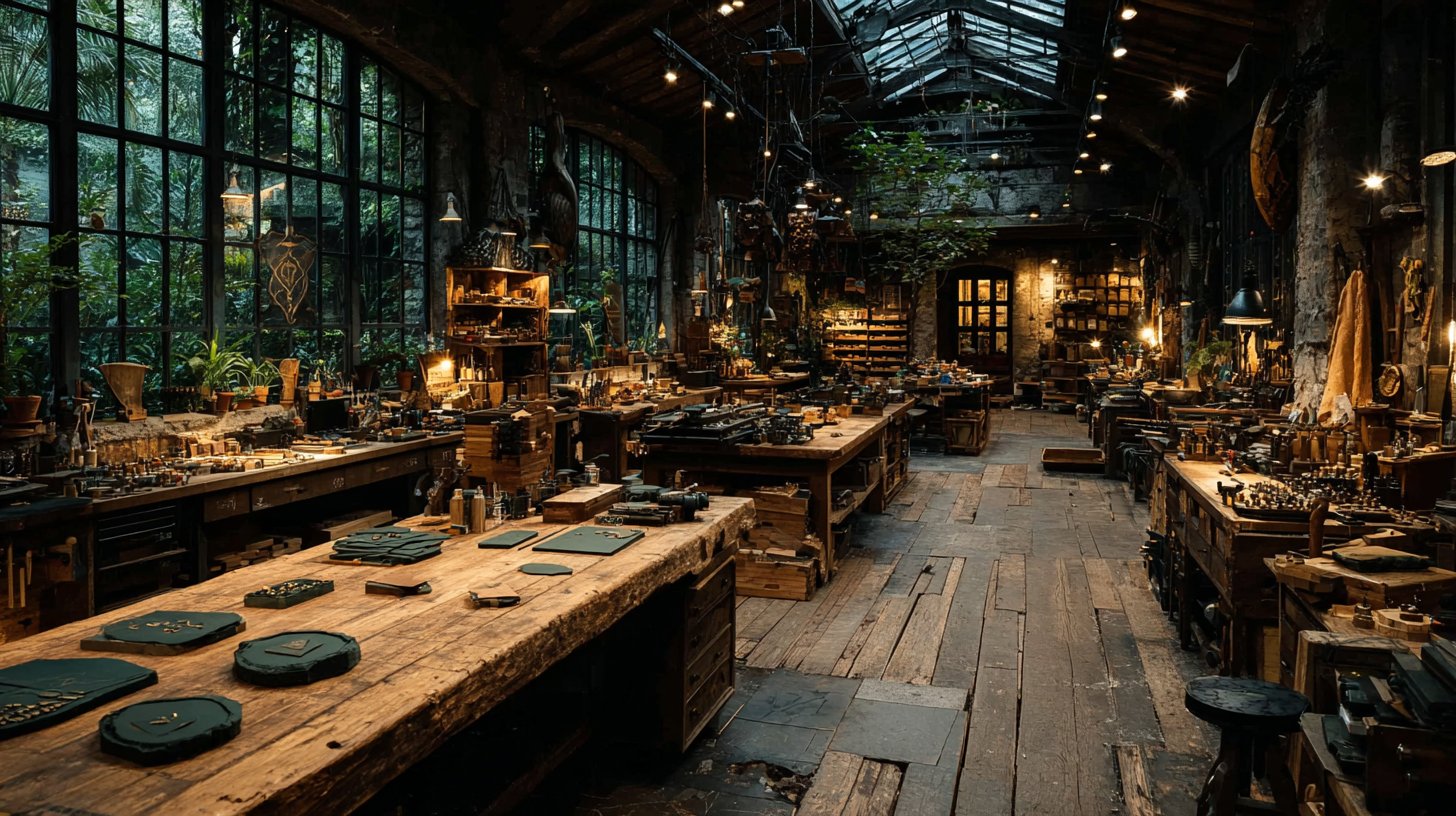
More and more people value sustainability and authenticity. This trend has fundamentally changed the way products are made. True craftsmanship stands for quality that is often unheard of and much harder to find than mass-produced items from abroad. This return to the good, old, and proven has particularly increased in recent years. The fascination with craftsmanship opens new possibilities for retail and simultaneously brings a touch of nostalgia to our fast-paced modern world.
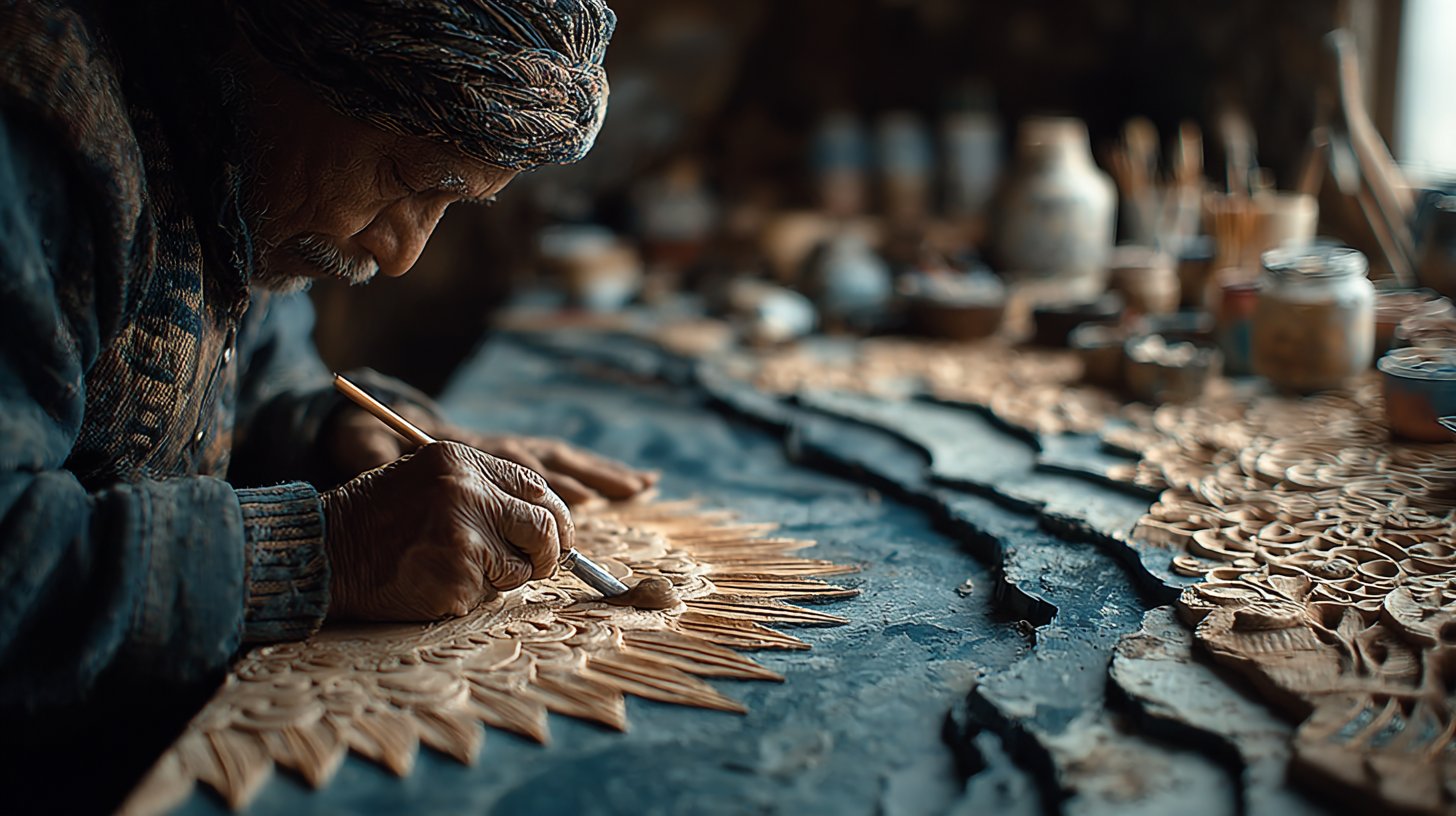
The love for detail
Craftsmanship often represents an unmatched quality that machine-produced goods lack. When you enter a small shop and products have been crafted with care and passion, you immediately feel this love for detail. Whether it's in a finely crafted ceramic bowl or a hand-sewn garment, appreciation for such things is rising. Moreover, supporting local artisans is a sign of social responsibility and sustainable business practices. We often forget that every purchase is a decision— and these decisions can have a positive impact on society.
Tradition meets innovation
The connection of tradition and innovation is an exciting phenomenon that is revolutionizing retail. Many old craftsmanship professions, passed down over generations from master to apprentice, have experienced a resurgence in recent years. Workshops that use centuries-old techniques are now combining their artistry with state-of-the-art technology to create unique products. This leads to new markets and niches that cater to individual desires. This can be incredibly exciting for you as a consumer—you not only receive a product but also a story associated with it.
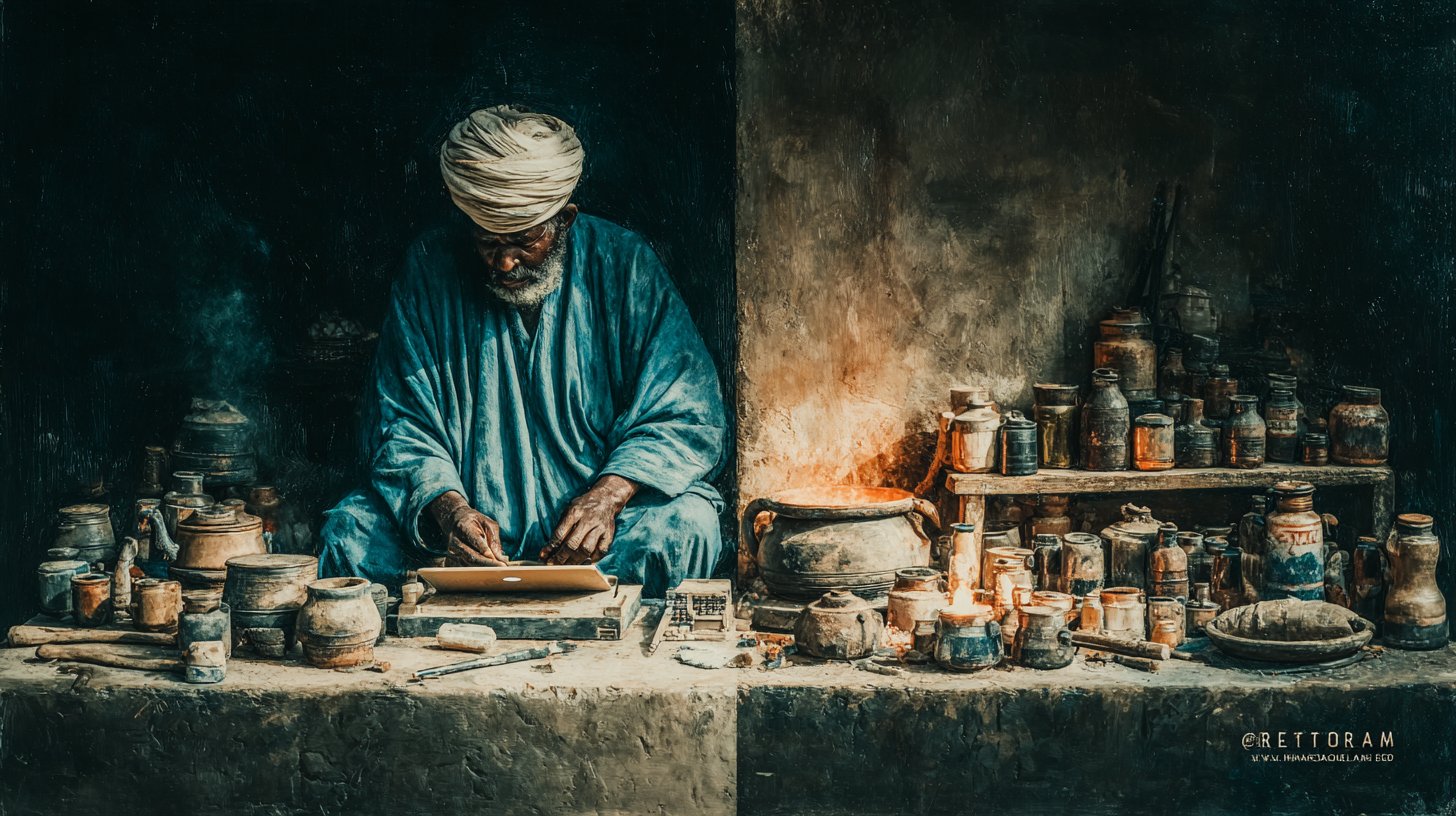
Cultural identity and economy
Traditional craftsmanship is not just a small, sweet niche product; it is a crucial part of the cultural identity of many regions. The way these skills are preserved and marketed also has immense economic implications. So, when you prefer craftsmanship while shopping, you actively contribute to keeping these cultural treasures alive. This bond between the community and artisans is something that large companies cannot replicate. It is authentic, it is real, and it brings people together.
In the hustle and bustle of modern supermarkets and online shops, the allure of handmade products can easily be lost. But once you have experienced owning such a product, you know it makes a difference. The love that goes into each individual item is reflected not only in the quality but also in the presentation style and purchasing experience.
To integrate the treasures of traditional craftsmanship into your life, you don't have to turn everything upside down. Start small—visit craft fairs or look for local markets that offer such products. Every time you buy something from an artisan, you not only create a space for these traditions but also support the local economy. This can lead to a completely new shopping experience that delights and enriches you.
In summary, the connection of traditional craftsmanship and modern markets opens a new dimension in our consumption culture. You have the power to make a conscious decision with your purchases and appreciate the intricacies and stories behind products. By doing this, you not only become an important part of preserving cultural identity but also enjoy what makes your purchases unique.