Discover Mysterious Worlds
On the Hunt for Life in the Universe
L
Astrobiology plays a crucial role in the search for extraterrestrial life by helping us understand how life could arise and where we should look for it. This fascinating science poses questions about the conditions necessary for life and explores potential habitats in our universe.

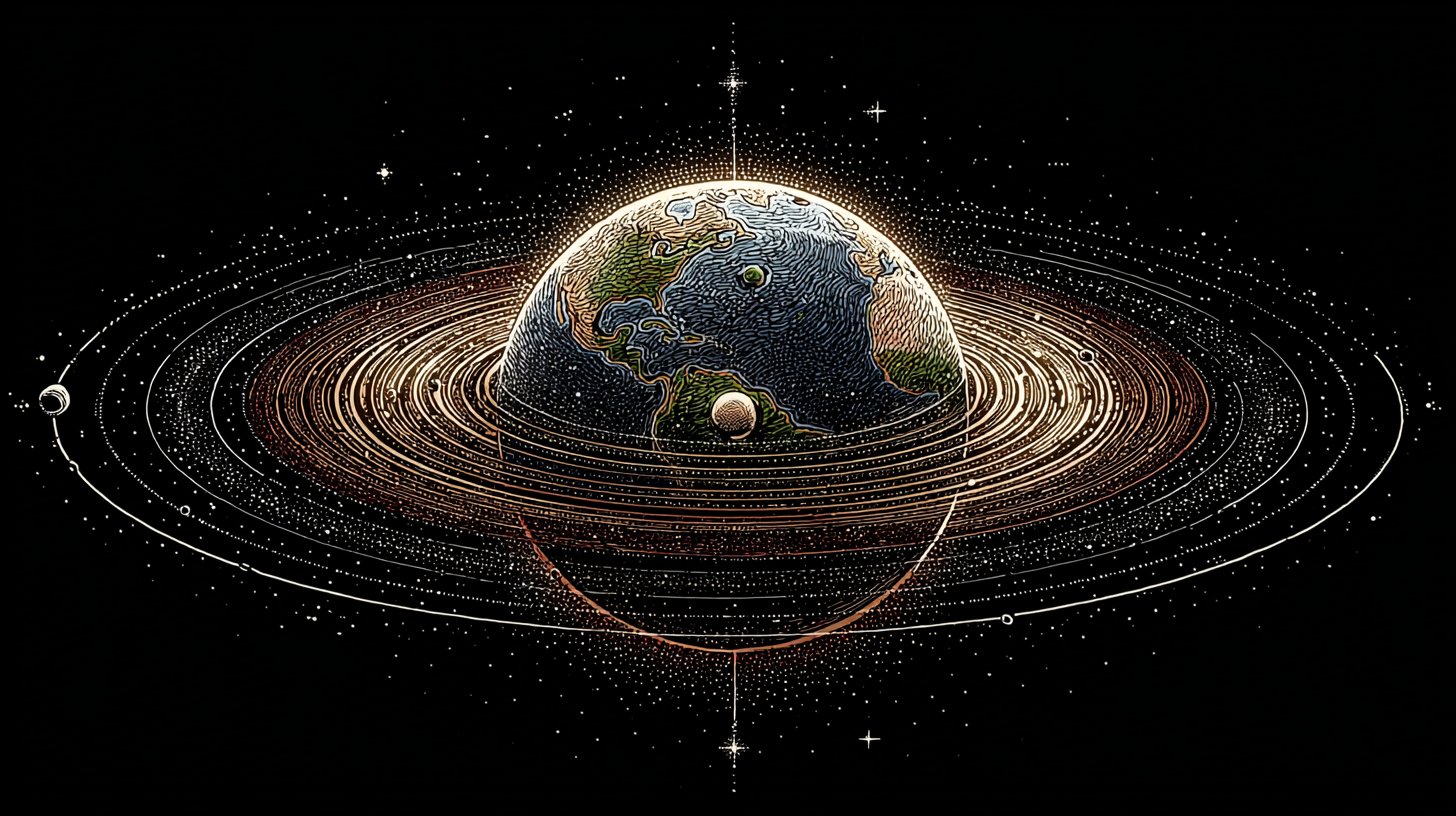
Imagine the universe is full of possibilities. From the hot volcanic landscapes on Io, the icy clouds of Europa, to the extreme conditions on Mars – traces of life could exist everywhere. Astrobiology therefore investigates not only Earth but also these other celestial bodies. It combines knowledge from biology, chemistry, and geology to formulate theories about the origin and development of life. It becomes clear that we can learn more about our own origins while searching for life elsewhere.

The Search for Signs of Life
When it comes to the search for extraterrestrial life, scientists must first determine where to look. The solar system offers many exciting candidates. On Mars, rovers like Perseverance have searched for organic molecules and other indicators that could suggest past life. Europa, one of Jupiter's moons, harbors a subsurface ocean that could be ideal for the emergence of life forms. And then there are exoplanets – planets outside our solar system – that lie in the habitable zone of their stars and may exhibit conditions suitable for life. Astrobiology provides us with the tools to approach this search systematically.
An important aspect of astrobiology is the study of extremophilic organisms on Earth. These life forms thrive under conditions that would be inconceivable to us – whether in the deepest depths of the ocean, in extreme temperatures, or near volcanic vents. Their existence adds weight to the hypothesis that life could thrive elsewhere in the universe. Each time scientists discover a new extremophile, they gain valuable insights into the diversity of life and the conditions under which it can exist.
The Technology of Discovery
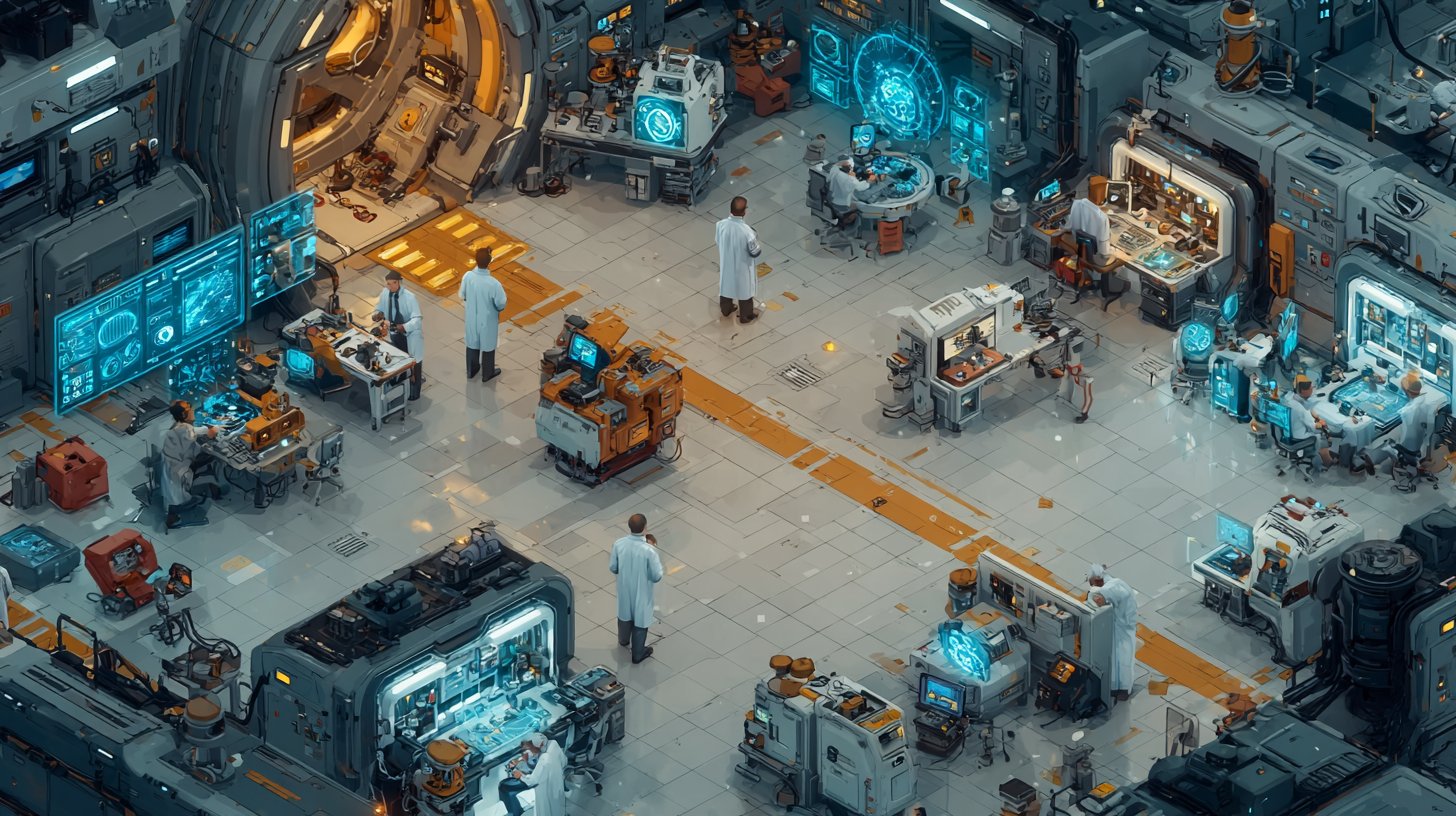
Astrobiology would not be possible without modern technology and space missions. Satellites, telescopes, and the internet play a fundamental role in disseminating knowledge and conducting experiments. Mission plans like the Mars Sample Return and the Europa Clipper are designed to collect samples and analyze data that have a direct impact on our understanding of life in the universe. Each new technological device opens new perspectives and possibilities for detecting signs of life. Even simple techniques for data analysis and dissemination are crucial for global collaboration among scientists.
As humanity ventures further into the depths of space, we learn more about the conditions that could enable life everywhere. Astrobiologists are working to define these terms and ensure that we remain grounded in reality while opening our imaginations to the unknown. The discovery of new water droplets on a distant moon or the detection of atmospheres on an exoplanet are not just scientific achievements, but also signs that we as a species are ready to explore big questions about our universe and our place within it.
Conclusion and Outlook
The role of astrobiology in the search for extraterrestrial life is undeniable and significant. It helps us understand where and how life could exist in other parts of the universe, and it also brings us closer to understanding our own existence. By leveraging the paradigms of astrobiology, we can embark on the physical and metaphorical quest for life in the universe. As technology continues to advance, we can look with curiosity and hope at the discoveries that await us in the coming years.
The pursuit of knowledge about life in the universe is not just a scientific endeavor, but also a human one. It compels us to look beyond our own planet and explore the unknown. A fascinating adventure lies ahead of us, and astrobiology will be the map guiding us on this exciting journey.