A glance at the stars
How the night sky inspires architecture
M
Astronomy, architecture, and inspiration – three terms that, at first glance, don't seem to have much in common. But if you look closely, you can see how the night sky influences not only our dreams but also the construction of buildings. Let's discover together how these fascinating disciplines are intertwined and how they can change our view of the world.
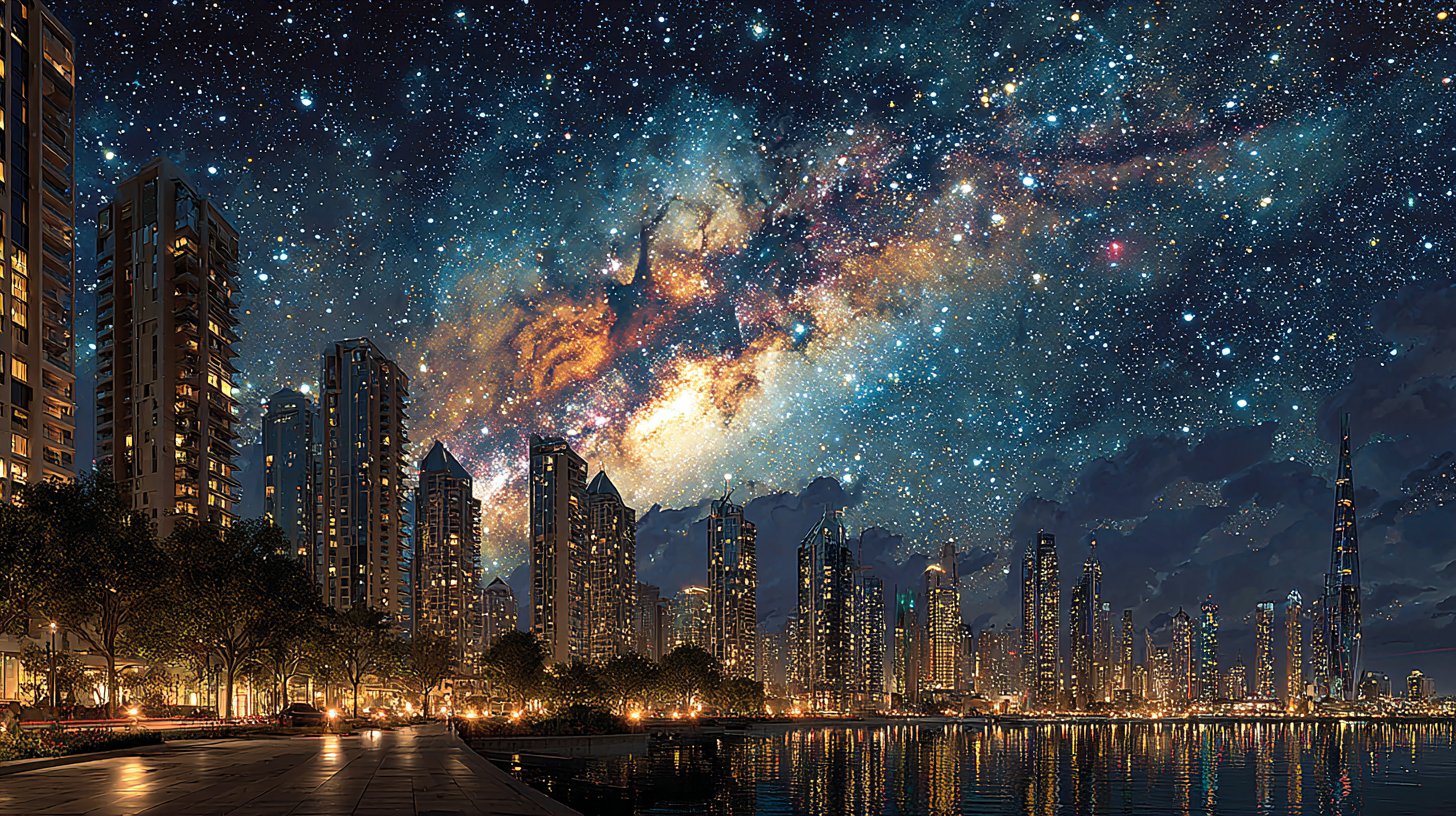
Architecture is strongly shaped by the environment in which it arises. It reflects the culture, history, and geography of a place. On a deeper level, however, the night sky also influences how and where we build. As humans, we have always looked at the stars, oriented ourselves with navigational aids, and sought safety and inspiration in the dark. The position of the stars not only provides us with orientation in space but is also a source of creative ideas. Architects and designers draw inspiration from astronomy and incorporate it into their works.

Constellations and their significance
Constellations play an important role in astronomy and architecture. Many cultures have developed myths and stories around the star formations. These stories are often deeply rooted in architecture. For example, there are temples and monumental structures oriented towards specific constellations to mark astronomical events. The Pantheon in Rome is an excellent example: the central oculus in the roof opens to the sky and allows for a view of the sun and stars that move across the seasons. Such elements foster a deeper connection between the building and the universe.
The orientation of buildings
The orientation of buildings in relation to the night sky has both practical and symbolic significance. Architects consider the movements of celestial bodies in their planning to maximize the energy efficiency of buildings. Solar energy and daylight play a significant role in this. Additionally, many cultures throughout history have built structures aligned with seasonal events, such as solstices or particularly significant astral events. This is done not only for practical considerations but also to establish a spiritual connection between the structure and the cosmos.

The relationship between humans and the universe
The connection between humans and the universe is also reflected in the materials used for construction and the way spaces are designed. In Feng Shui, for instance, the orientation of a room toward the cardinal directions is considered, as it is believed that these influence the energies of a space. In modern architecture, there are also efforts to design buildings that reflect nature and promote a harmonious relationship between humans and the environment. An example of this is the famous Guggenheim Museum in Bilbao, which integrates harmoniously into the surrounding landscape and creates an almost cosmic connection to the underlying nature.
In summary, it can be said that astronomy and architecture are interconnected in a way that has not only influenced the greatest buildings in our history but also continues to shape contemporary architecture. The night sky serves not only as a source of inspiration but also as a practical tool considered in the design and orientation of buildings. The next time you look up and observe the stars, remember how many generations of architects and builders have drawn inspiration from this incredible spectacle and continue to be inspired. It is a reminder that design is not just about the structure itself, but also about the emotions and thoughts it evokes.
In conclusion, I invite you to explore your own connection to architecture and the night sky. Perhaps you will also find inspiration in the stars that will help you find your own creative path. By appreciating the beauty of the universe and integrating it into your life, it can help enrich your personal and creative journey. Remember to live life with an open mind and an open heart – the stars are waiting to be discovered by you.