Nutrition and Emotions
How Our Diet Affects the Mind
E
The connection between diet and mental health is a fascinating and important topic, especially for people who want to enhance their emotional well-being. We often question whether there is really an influence that our food has on our thoughts and feelings. At nikki.de, we want to explore this connection and show you how a mindful diet can positively influence not only your body but also your mental health. Our goal is that after reading this article, you will have a better understanding of how to strengthen your emotional balance through your food choices.
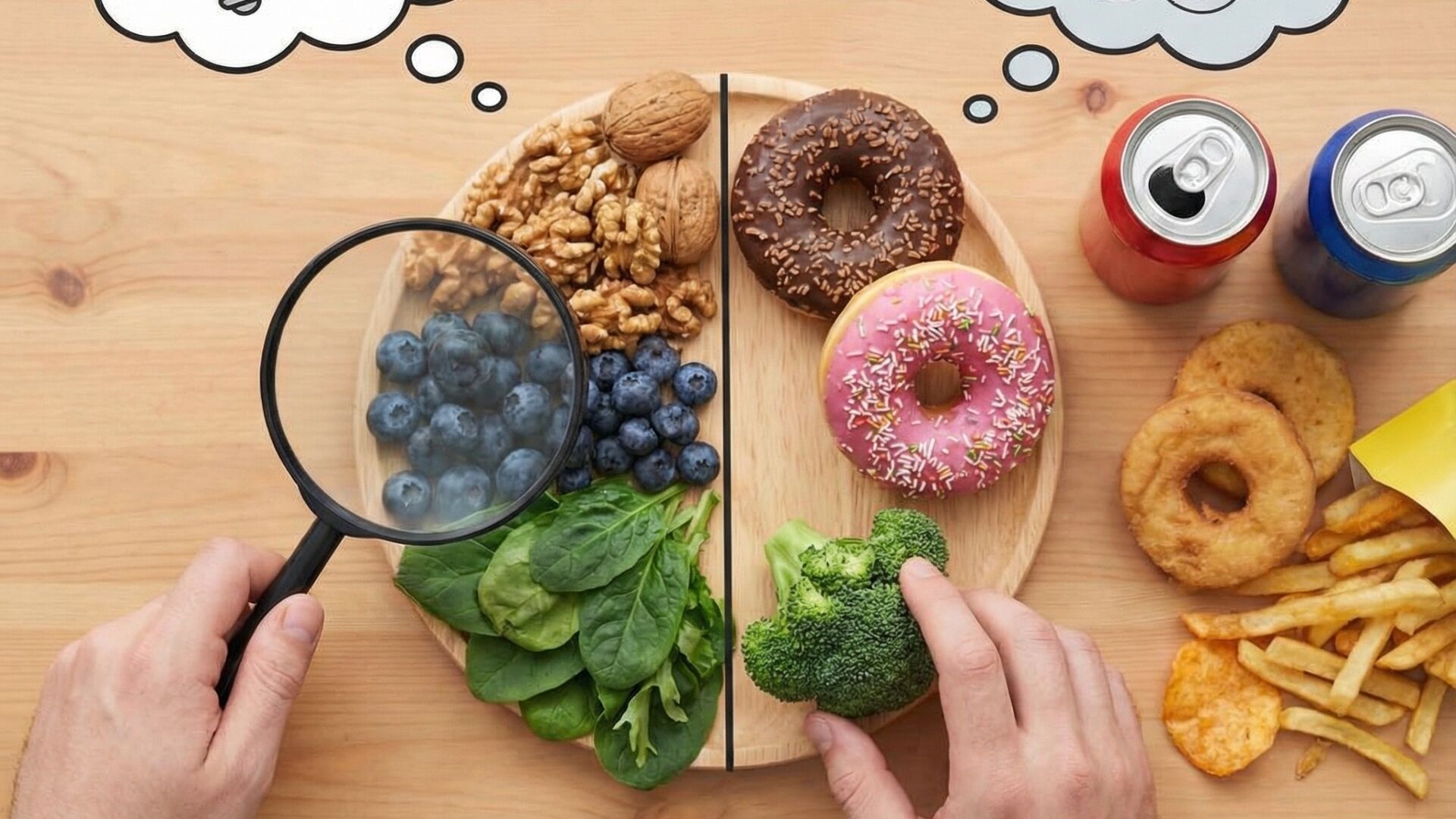
Studies have shown that our diet has a direct impact on our mood and mental state. Foods that are rich in vitamins, minerals, and antioxidants promote the production of neurotransmitters like serotonin and dopamine, which are responsible for a good feeling. For example, fatty fish, nuts, and seeds contain omega-3 fatty acids, which help combat depression and improve memory performance. On the other hand, processed foods rich in sugar and unhealthy fats can have negative effects on our mood by promoting inflammation in the body and increasing the risk of mental disorders.
The Role of Micronutrients
Micronutrients such as folate, iron, and magnesium play a crucial role in regulating mood and emotional state. A deficiency in these important nutrients can lead to symptoms such as fatigue, irritability, and even depression. Leafy green vegetables, legumes, and whole grains are excellent sources of folate, while nuts and seeds are ideal suppliers of magnesium. By ensuring that you regularly incorporate these nutrients into your diet, you can counteract negative influences on your mind.
It is also important to pay attention to hydration. Water is essential for proper brain function. Dehydration can lead to concentration difficulties and fatigue, which can be emotionally burdensome. Make sure to drink enough fluids throughout the day. Unsweetened teas and natural juices can also be a good addition.
Individual Diet and Emotions
The individual response to certain foods can vary. Some people feel good shortly after consuming sugary products, but these euphoric moments are often followed by a subsequent low. For others, a balanced diet can lead to a more stable emotional state. Keeping a food diary can be helpful to observe how different foods affect your mood. This way, you can learn which foods are beneficial for you and which might be more burdensome.
Another aspect is the social factor of eating, which is often overlooked. Sharing meals with friends or family can not only enhance food intake but also strengthen your emotional bonds. This fosters a sense of belonging and satisfaction that positively impacts your mind.
Ultimately, it becomes clear that diet is a key factor in our mental health. Be mindful of what you eat and try to incorporate elements that help you to stay emotionally healthy. A conscious diet will not only help you feel better but also enable you to cope with your daily challenges more effectively.
Conclusion and Practical Tips
In summary, a balanced diet plays a vital role in our emotional well-being. Take the time to analyze the quality of your food and consider making small changes to your meal plan to recognize positive effects on your mood. By paying attention to your food choices, you are already taking a big step towards better mental health.
Remember that it's not just about what you eat but also about how you eat it. Set regular times for your meals and enjoy them mindfully. This can help improve your relationship with food and stabilize your emotions.
Keep in mind that nutrition is not the solution to all problems, but it is a very important part of the puzzle. Allow yourself to explore new ways and be mindful. Your body and mind deserve to be well cared for.