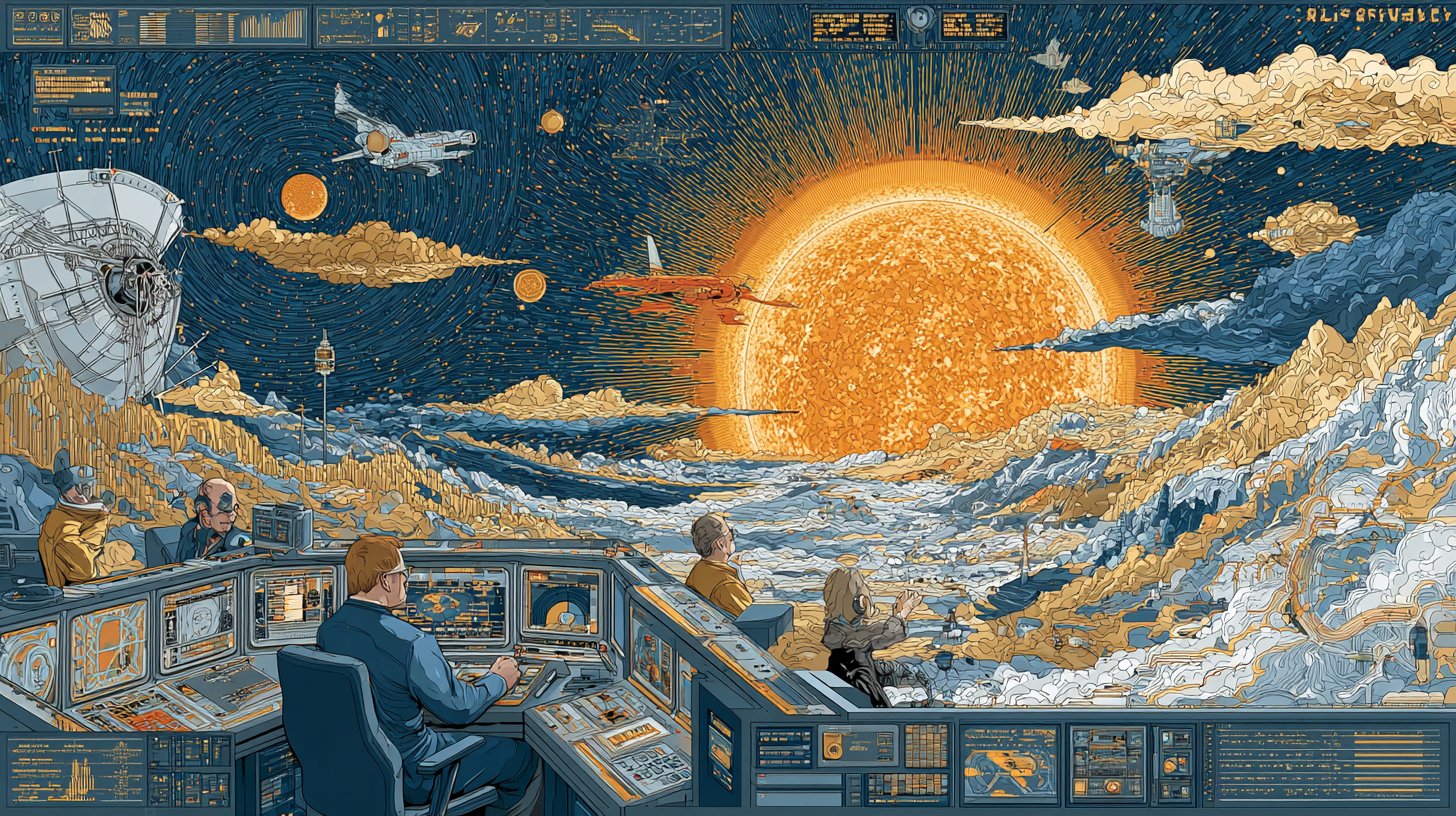
Invisible Danger for Technology
How Solar Storms Threaten Satellites and Technology
L
Have you ever thought about how solar storms affect technology on Earth? These phenomena have the potential to significantly disrupt our satellite network and, by extension, our entire communication infrastructure. In this article, I will explain to you how these constant changes in space can influence our daily lives and why it is important to be aware of them.
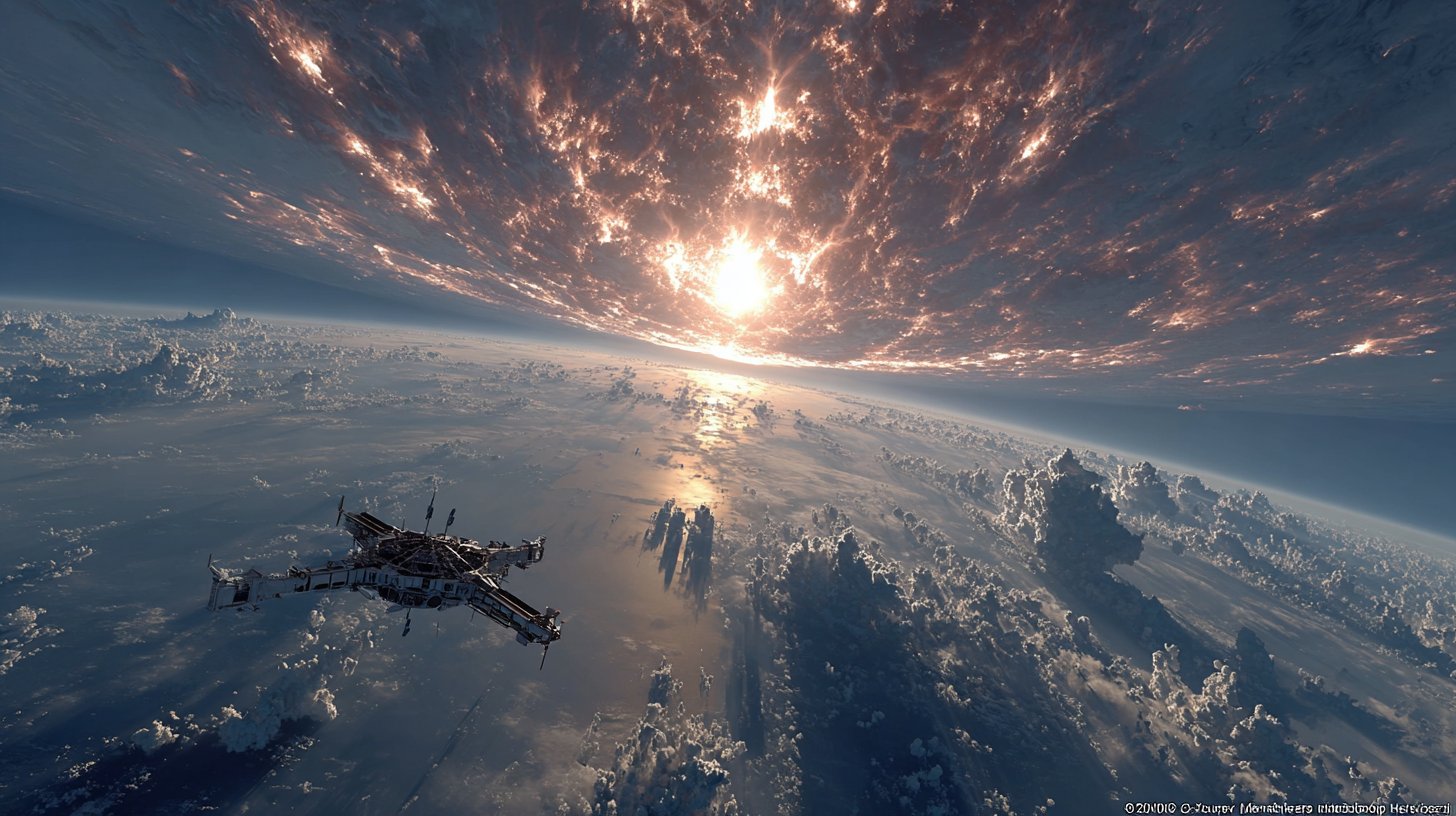
The Sun is not only our life-giving star but also a source of huge amounts of energy that rain down on Earth in the form of solar storms. These storms are caused by changes in solar activity that can lead to massive eruptions, ejecting charged particles into the social system. While we often do not think about the nature of these storms, they can have serious consequences for our technology, particularly satellites that are crucial for modern life.
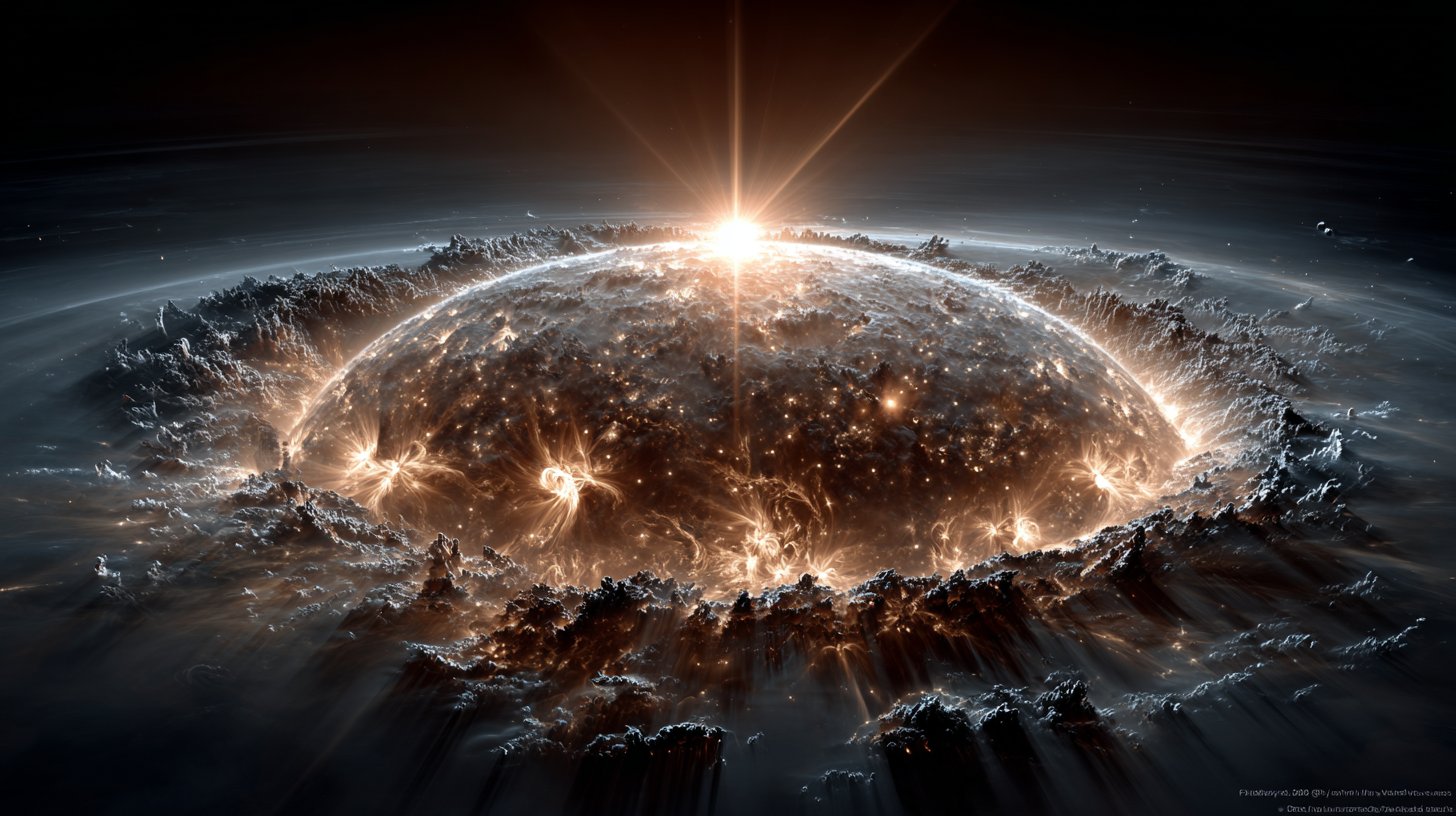
What are solar storms?
Solar storms, also known as coronal mass ejections, are massive eruptions of plasma and magnetic fields that are expelled from the Sun's surface into space. These events can reach Earth to varying degrees, depending on their strength and the direction in which they are moving. A strong solar storm can penetrate the Earth's atmosphere and cause magnetic disturbances that can impact the electronics in satellites and even on the Earth's surface.
One of the biggest problems that can be caused by solar storms is the disruption of satellite communication. These disruptions can degrade signal quality or even lead to a complete communication failure. Satellites used for weather forecasting or GPS services, for example, are particularly vulnerable. During periods of strong solar activity, GPS trackers may provide inaccurate data or completely fail, leading to confusion and issues in daily life.
The impacts on technology
One of the most direct impacts of solar storms is the possibility of satellite malfunctions. The charged particles that hit the Earth during a solar storm can damage the sensitive electronic components of satellites. This can lead to premature shutdowns or even complete loss of the satellite. The costs associated with this loss can be enormous, as the development and launch of a single satellite can cost several million euros.
Additionally, solar storms can also affect the Earth's magnetosphere, leading to geomagnetic storms. These geomagnetic storms can destabilize not only satellites but also power grids on Earth. In extreme cases, this can lead to large-scale power outages, as we have experienced in the past. The greatest concern is the so-called 'Carrington events,' where massive solar storms can significantly disrupt various infrastructures.

Protective measures and adjustments
Although we cannot completely prevent solar storms from occurring, there are still various protective measures that can be taken to minimize risks. One approach is to design satellites and their systems to be better equipped against the effects of solar storms. Additionally, scientists are working to predict solar activity more accurately, allowing us to issue timely warnings and take appropriate precautions.
Adjustments are also needed in the field of power supply. Network providers can implement protective mechanisms to safeguard against geomagnetic storms. For example, they might manage the grids based on the time of day or make short-term shutdowns to protect their infrastructure from the effects of solar storms.
Researching the Sun and its effects on Earth is an active and important field. Improved technologies for monitoring and analyzing solar storms can help us mitigate some of the negative impacts and safely integrate humanity and technology.
In summary, solar storms are not only a fascinating astronomical phenomenon but also pose significant risks to our modern technology. In a world increasingly dependent on satellites and communication technology, it is important to become more informed about these issues. By understanding the science behind solar storms, we can be better prepared and develop strategies to manage the impacts of these natural events.
So stay curious and continue to learn about the Sun and its effects. It is a journey through science that is not only educational but also exciting and adventurous. We live in a time when we can understand our environment better than ever before – let us use this connection to live more safely.