Step-siblings connect more strongly
How blended families can live together harmoniously
L
Blended families face many challenges, but also the opportunity to develop diverse connections and relationships. In our article on Charme.de, an online magazine for women that deals with love, relationships, and self-discovery, we look at the unique dynamics between step-siblings. It is important to break down existing barriers and promote a harmonious relationship among each other to create a family atmosphere where all members feel comfortable. Here you will find helpful tips and practical strategies on how to navigate life in a blended family. Let’s explore the multifaceted aspects of these relationships together and find approaches that contribute to step-siblings becoming a strong team.
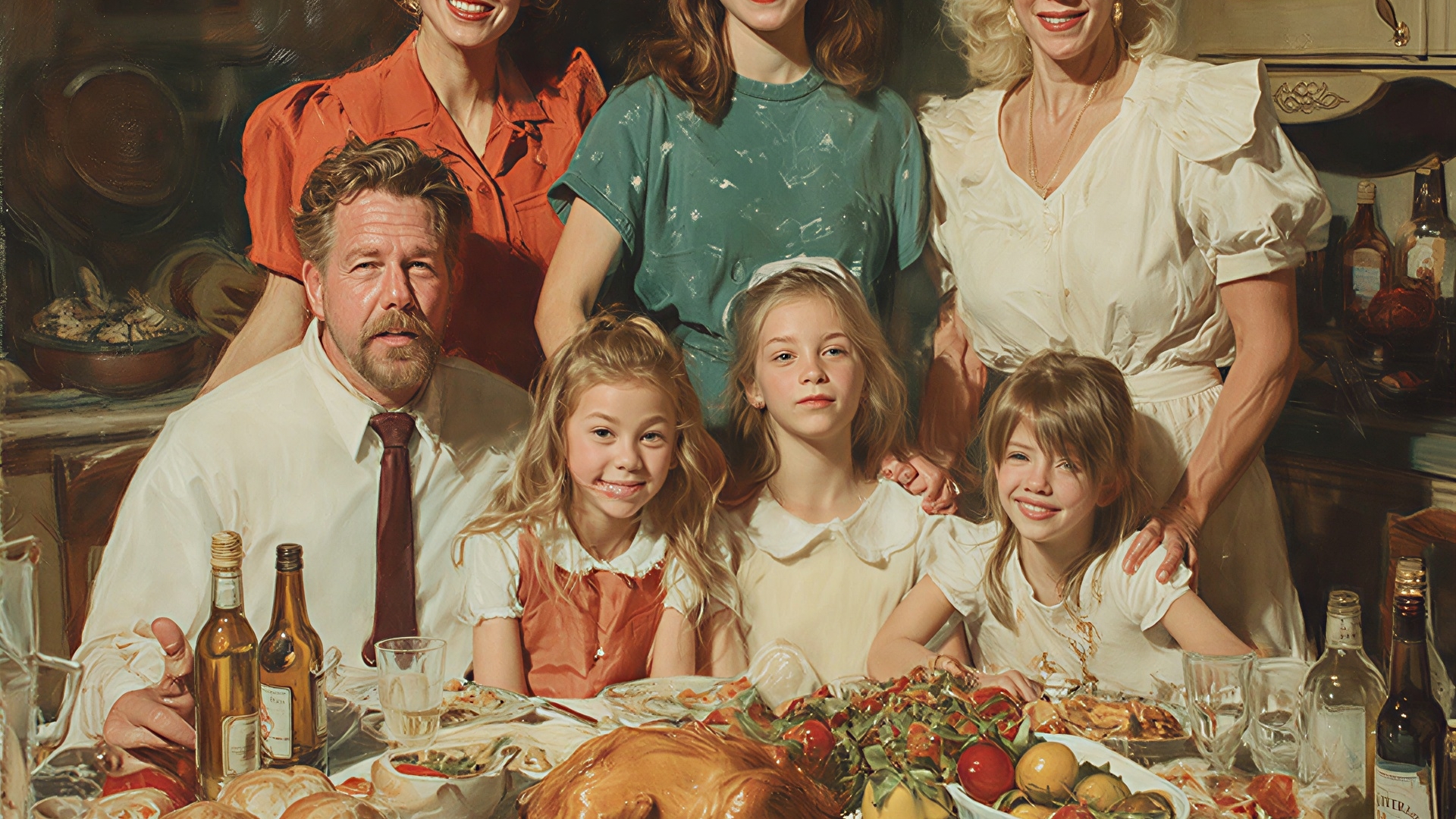
One of the biggest challenges in blended families is that step-siblings often compete with one another. This can disrupt family harmony and create tension. Therefore, it is essential to promote open communication from the very beginning. This means all parties involved should be able to express their feelings without fear of judgment. You can encourage the children to talk about their thoughts and fears. Make sure you actively listen to them and respect their perspectives. By creating this space of openness, you lay the foundation for mutual understanding and respect. Another important aspect is the time step-siblings spend together. Organize regular family activities that cater to the interests of both or all children. These activities can be shared game nights, outings, or creative projects. The goal is to have fun and create memories that strengthen the bond. It is important for the children to feel that their opinions and wishes are taken into account. Such an approach fosters a sense of community and helps step-siblings grow together as a team.
Show appreciation and recognition
An important foundation for stable relationships in blended families is appreciation. Make sure to emphasize the positive qualities of the step-siblings and promote their individual talents. This recognition is especially valuable in a new extended family situation. For example, you could introduce a reward system where small successes or particularly helpful actions are acknowledged. This appreciation not only motivates the children to support each other but also boosts their self-esteem.
Additionally, it is helpful to create ritualized family games or traditions that assign each child a special role. In these rituals, each child can showcase what they have to offer and will be appreciated for it. Such traditions promote a sense of belonging within the family and reduce feelings of competition among the siblings. When a child fulfills their role well, they are recognized by the other children, further enhancing the sense of community.
Constructively resolve conflicts
Conflicts are inevitable in blended families, but how they are handled can be crucial for the relationship between step-siblings. Set clear rules for dealing with conflicts. Create a safe space where children can respectfully resolve their disagreements. It is important that you, as an adult, do not take over the conflict resolution but guide the children to find solutions themselves. This not only promotes conflict resolution skills but also strengthens trust and bonds among them.
Another helpful approach is to develop rules for discussing conflicts together. Talk to the children about how they can discuss matters without resorting to hurtful behaviors. Practice role-sensitive scenarios with them, in which they learn to recognize the viewpoints of others and compromise. By promoting these skills, you help the step-siblings see their differences as an opportunity for growth and strengthening their friendship.
Set common goals
An effective means of strengthening the bonds between step-siblings is through shared goals or projects. These can range from simple household tasks to larger family projects. The key is that all members are actively involved in the planning and execution. This helps the children develop a sense of teamwork and solidarity. Shared successes can strengthen not only the self-esteem of the individual children but also the cohesion within the family.
Common goals not only unite the family but also create a sense of responsibility and community. Make sure to celebrate successes, no matter how small they may seem. This not only fosters positive interactions but also helps the children realize that their efforts are appreciated; this feeling is enhanced through positive social interactions and aids in building strong bonds between step-siblings.
In summary, while the challenges in blended families can be diverse, they can be overcome with the right strategies. Communication, appreciation, shared experiences of success, and respectful handling of conflicts are essential for a stable and harmonious relationship between step-siblings. By integrating these aspects into family life, you create an environment that not only fosters relationships but also strengthens all family members. Don’t let the challenges discourage you, but see them as opportunities for development and growth for everyone involved.
Focus on a positive upbringing based on trust and respect. No matter how complicated relationships in blended families can sometimes be, with patience, empathy, and an open ear, you can help step-siblings grow closer and develop a strong, supportive relationship. The ultimate goal is a family where each member feels loved and appreciated. Start implementing the tips discussed above today and observe how the dynamics between the step-siblings change for the better!