Promoting Neighborhood Relationships
How Neighborhood Relationships Strengthen Well-Being
M
Neighborhood relationships are a crucial factor for personal well-being. In a world where individualism is often prioritized, many tend to underestimate the importance of community and neighborhood cohesion. However, especially in times of crisis, it becomes clear how important it is to have a strong network of familiar faces around. On frauenzeit.de, your platform for everything that enriches the lives of women, we want to explore how communities can not only provide emotional support but also enhance overall well-being. Whether through simple conversations while shopping or profound support in difficult times, neighborhood relationships can significantly enrich life.
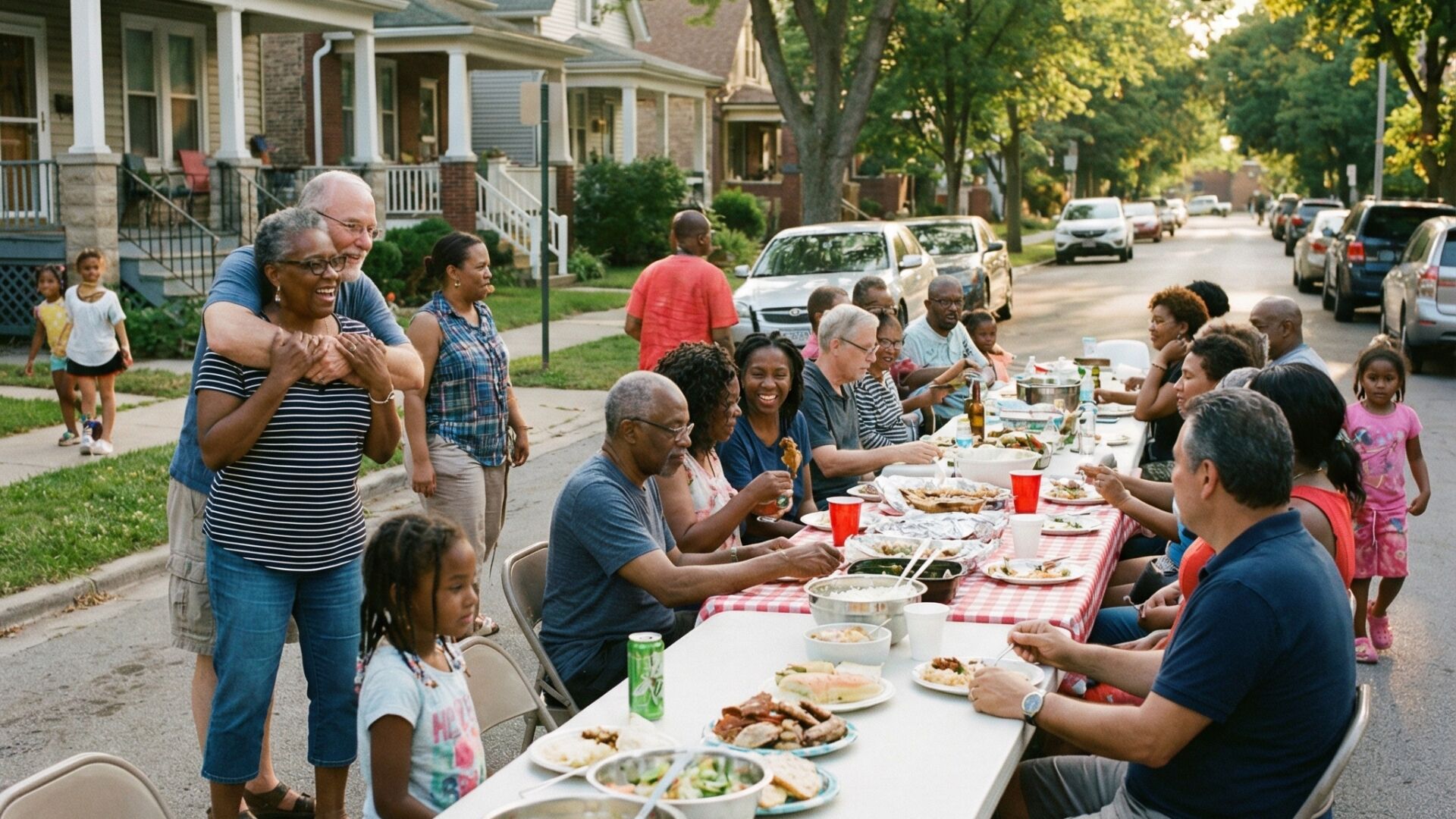
When we take a closer look at the benefits of neighborhood relationships, it turns out that they are not just of a psychological nature. Studies show that close social bonds can reduce stress. When you face difficulties and talk to neighbors, it creates a form of emotional relief. Commonalities, whether it’s a hobby or a love for a specific animal, can build bridges and help foster trust. As you stroll through the neighborhood and encounter curious faces, you often feel a sense of belonging that is essential for your well-being.
Emotional Support through Community
In difficult times, such as during illnesses or personal challenges, the support of neighbors proves to be invaluable. They are often ready to offer help, whether through practical assistance or simply by providing a listening ear. This emotional support can serve as a buffer against stress and help us cope better with challenging experiences. Knowing that a familiar person is nearby gives us a sense of security and can be crucial in crisis situations.
The community can also promote shared activities that enhance social well-being. For example, neighborhood events or joint games are often seen by neighbors as an opportunity to get to know each other better. Such events are not only entertaining; they also provide a platform to form friendships and strengthen social networks. Here, a positive feedback loop is created: the more you engage, the more connected you feel with others.
Health Benefits through Neighborhood Relationships
The impact of social relationships on physical health cannot be overlooked. Studies show that people living in close-knit communities are often healthier, suffer less from depression, and even live longer. Social isolation has been proven to have negative effects on health. By fostering an active neighborhood lifestyle, you can reduce your risk of health problems. Whether through jogging together, cycling, or simply taking regular walks in the neighborhood – physical activity combined with social interaction is a double win for well-being.
The ability to exchange help in everyday life can also be immensely valuable. For instance, neighbors can help with shopping or look after children while the other has an important appointment. These small gestures not only enhance the quality of life but also create a sense of cohesion and trust. In a healthy neighborhood, knowing that support is always within reach contributes significantly to a positive feeling of life.
Finally, it is important that you actively participate in shaping your neighborhood. When your neighbors see that you are willing to get involved, it encourages them to take action as well. A simple smile or a brief conversation at your doorstep can mark the beginning of a friendly neighborhood relationship that has many positive effects on everyone's well-being in the long run.
Conclusion and Outlook
In summary, neighborhood relationships can significantly influence personal well-being. The emotional support, physical activity, and health benefits that accompany them should not be underestimated. By actively participating in your community and fostering relationships, you create a source of strength that stands by you in difficult times.
Take advantage of the opportunities that arise in your neighborhood. Network, build relationships, and invest time in your community. You will find that this engagement not only benefits your neighbors but also your own well-being. Life is more valuable when we share it together.