Sound meets shopping frenzy
How music is revolutionizing the shopping experience
E
Music, emotions, and shopping – these three terms are more closely connected than many think. The right musical accompaniment can be crucial in providing customers with a positive atmosphere that encourages purchases. In today's retail landscape, characterized by competition, it is important to leverage every conceivable advantage to stand out from the crowd.
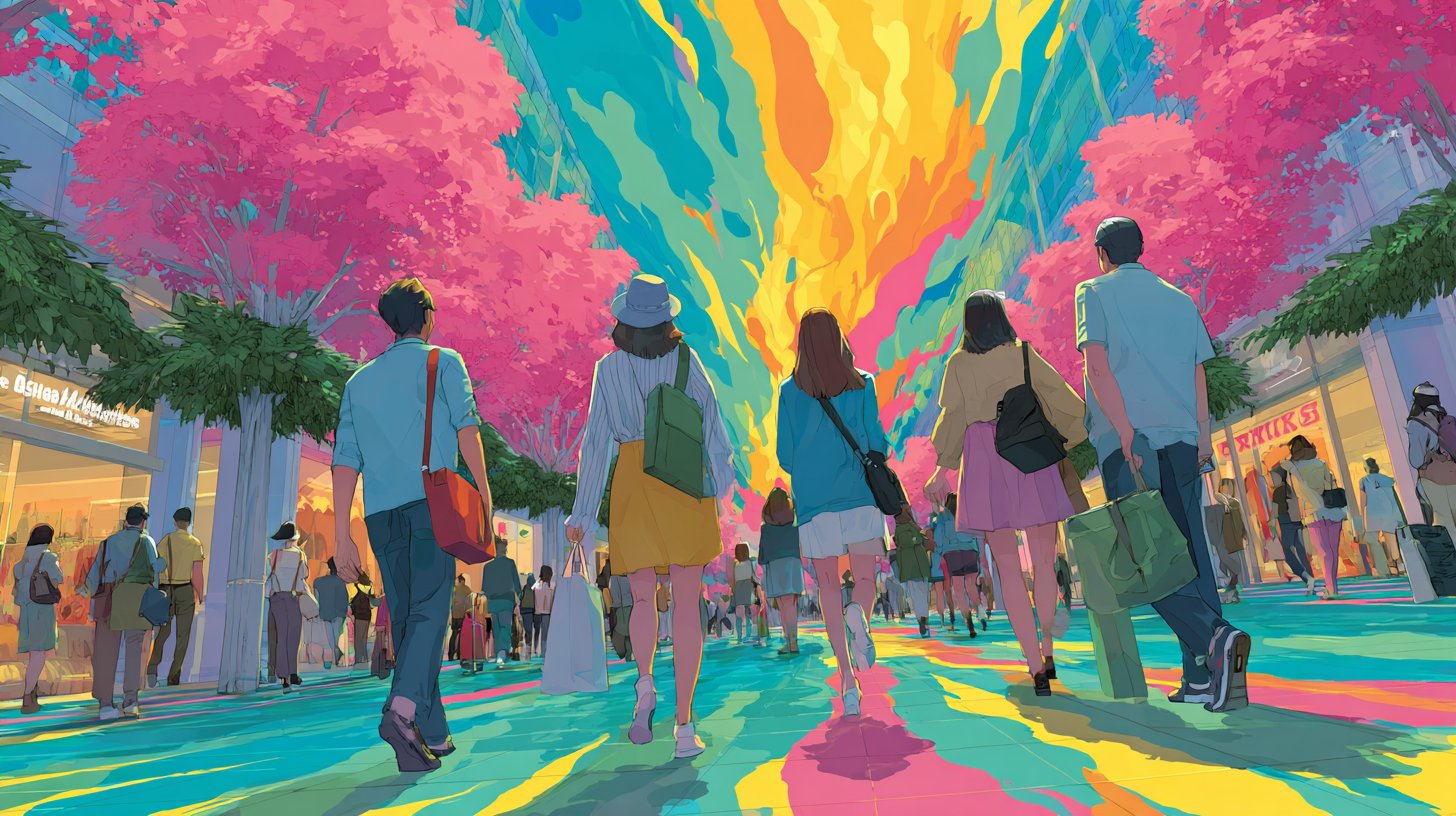
Think back to your last shopping trip: How much fun did you have? Did you notice the music in the stores? Often, it is precisely the melody or the beat that puts us in the right mood. Whether relaxing sounds in a clothing store or upbeat rhythms in a sporting goods store – music influences our emotions and can significantly change our shopping experience.
The psychological effects of music
The psychology behind the use of music in retail is fascinating. Studies have shown that slow music slows down the shopping pace of customers, leading them to spend more time in the store and thus be more willing to spend money. On the other hand, faster music can raise adrenaline levels, leading to impulse purchases. Therefore, the targeted use of music not only creates a pleasant shopping environment but also serves as a strategy for increasing sales.
The choice of genre also plays a crucial role. In an elegant clothing store, classical music might be the right choice to convey a sense of luxury. In contrast, current charts might appeal to the young target audience in a youth clothing store and create a contemporary, trend-aware feeling. The art lies in finding the right musical backdrop that matches the brand image and the shopping experience.
The role of timbre
But not only the music itself, but also the timbres are crucial. A warm, soft sound can convey a sense of security and encourage customers to stay longer. Conversely, a loud, harsh sound can prompt customers to leave quickly. The acoustic design of the space itself, such as the use of carpets or curtains, can also change the sound and thus influence the overall feel-good experience.
Many retailers have recognized this and are investing in the acoustic design of their stores. A study found that 80% of shoppers would visit a store more frequently due to pleasant music. The right combination of music, sound quality, and spatial design can be transformative and significantly enhance the shopping experience. The advantages are clear: satisfied customers are more likely to make purchases and return later.

Live music as an experiential factor
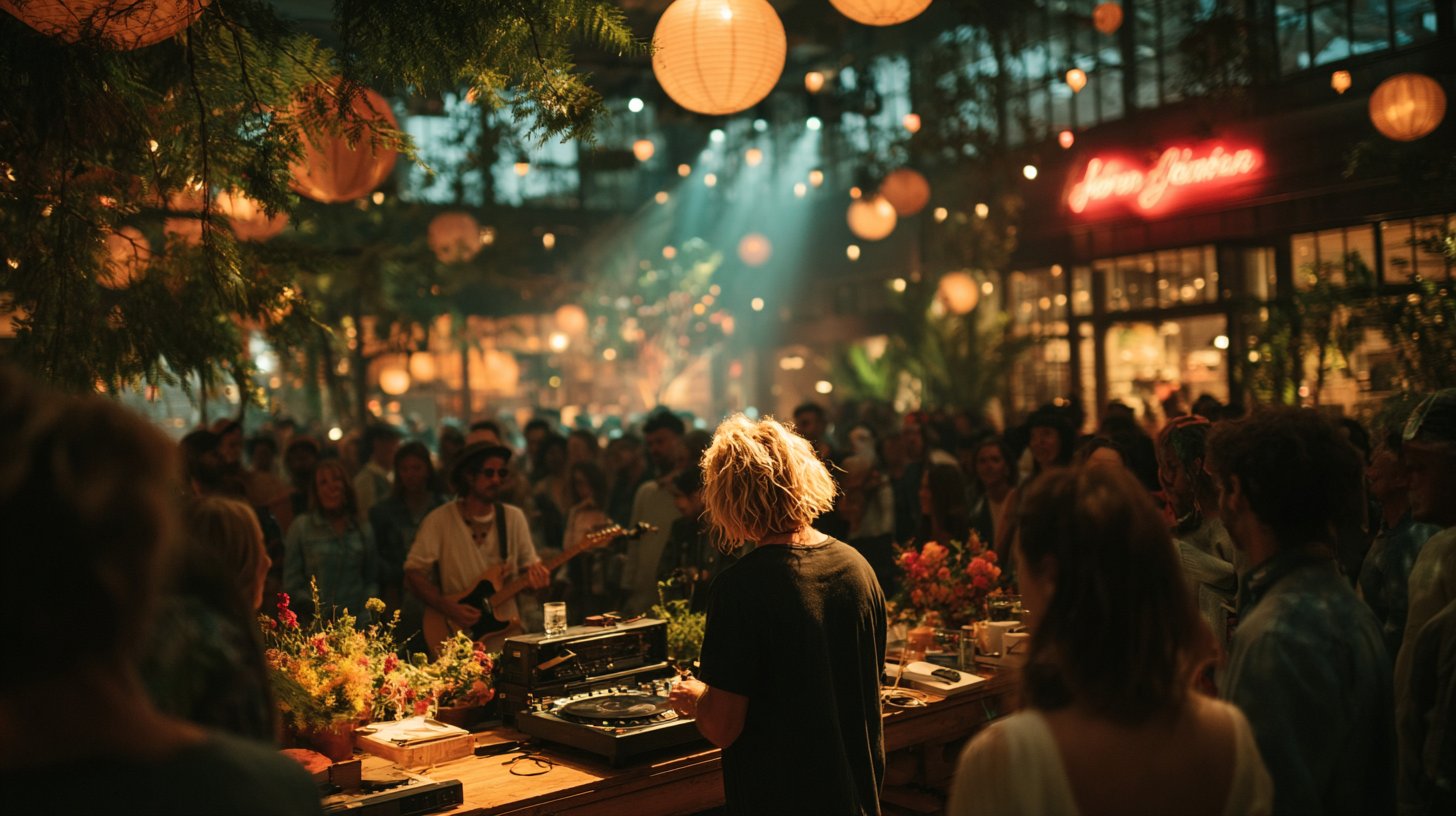
Another trend that is increasingly gaining traction is the use of live music in stores. Many boutiques and cafés invite local musicians to create an authentic and unique atmosphere. Live performances can not only create a special mood but also foster a connection to the community. Such events often attract visitors who also want to shop in the stores to complete the experience.
An example of this is clothing stores that host small concerts for openings or special events. The result: enthusiastic customers, a vibrant atmosphere, and an increased likelihood of sales. Live music can therefore not only enhance the shopping experience but also give local musicians a platform to express themselves.
In conclusion, it can be said that music plays a fundamental role in retail and goes far beyond mere sound. It influences our emotions, our purchasing decisions, and our duration of stay in stores. The idea of strategically using music can be a real secret weapon for retailers who want to thrive in today's competitive market. The next time you go shopping, pay attention to how the music affects your mood and willingness to buy!
Overall, it is important to appreciate the little things that make life more colorful and beautiful. Music has the potential to not only enhance the shopping experience but also elevate the overall feeling of life. Let the sounds inspire you and enjoy not just shopping but the entire journey of life.