Childhood and Love
How Childhood Experiences Shape Our Love
M
Childhood shapes our entire life, and this is especially true for our romantic relationships. Much of what we experience in childhood influences how we feel, give, and receive love. At harmonie.de, we believe that a harmonious family life begins with the inner peace of the parents. Happy children grow up in an environment filled with love and understanding. Here you will find not only tips on parenting but also inspiration on how to build deeper connections with your loved ones. In this article, we explore how early experiences in our relationships with partners play a crucial role and how we can recognize and change these patterns to live more fulfilling lives.
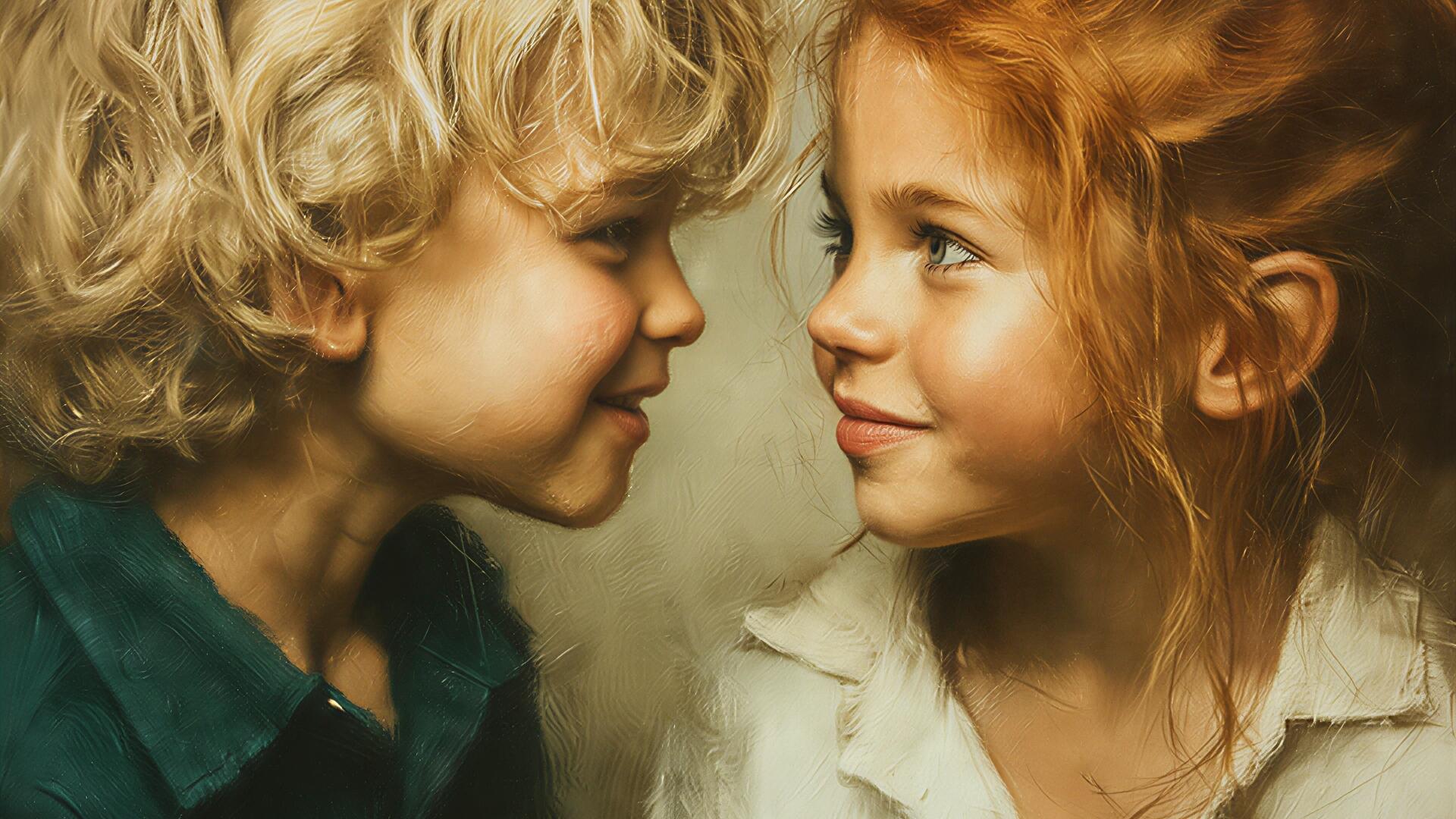
One of the fundamental theories in psychology states that our attachment styles in childhood greatly influence our later relationships as adults. The bond you developed with your parents shapes what you expect from relationships. People who have experienced a secure attachment tend to enter healthy, loving partnerships. In contrast, insecure attachment styles, shaped by rejection or overprotection, can lead to difficulties in relationships or emotional withdrawal. An example of this would be a person who received little closeness from their parents as a child and then struggles to trust and allow closeness in their relationships. Memories from childhood act like an invisible filter through which you interpret your current experiences. For instance, if you had positive experiences of love and affection in your childhood, you are more likely to expect and offer this in your partnerships. Another example is people who grew up in a noisy, conflict-laden environment. These individuals may struggle to feel harmony in quiet moments because they have learned that love is associated with conflict and problems. These patterns are not easy to break, but with self-reflection and personal work, it is possible to develop a new, healthier relationship model.
How Imprints Influence Our Behavior
Another important aspect is communication in relationships, which is greatly influenced by the experiences we had in childhood. If you grew up in an environment where emotions were openly expressed, you will likely be able to communicate your emotions clearly in a relationship. However, those who have learned to hide their feelings, perhaps out of fear of judgment or rejection, may struggle to discuss their needs in romantic partnerships. These communicative difficulties can lead to misunderstandings and conflicts that escalate potentially harmless issues.
A practical tip for improving communication in a partnership is to regularly practice open conversations. Set aside time with your partner to discuss your feelings and needs. Start with small topics and gradually move on to larger challenges that concern you. By creating an atmosphere where both joy and concerns can be shared, you promote a sense of safety in the relationship. This type of communication can not only strengthen the bond but also help recognize and change old patterns.
Another point to consider is the distribution of roles, which often stems from childhood. If you experienced, for example, that one parent managed the entire household while the other was less active, you may unconsciously reproduce this dynamic in your relationships. Here, it is important to actively work towards a fair distribution of tasks and make clear agreements. This can reduce conflicts and promote a sense of equality that is essential for a healthy, loving relationship.
Changing Patterns
Developing an awareness of these patterns is the first step towards change. It can be helpful to regularly take time to reflect on your childhood experiences and find superior, healthy ways to process them. One way to do this is by keeping a journal. Note which situations in your life trigger negative emotions or behaviors. Does this mean you are confronted with your fears or insecurities at certain moments? Recognizing this is the first step towards understanding your reactions and actively working to improve them.
Involving a therapist or coach can also provide valuable support. These professionals can help you gain deeper insights into your behavioral patterns and give you tools to develop healthier relationship patterns. Together, you can work on strategies to break old, often perceived as harmful, patterns and replace them with new, positive behaviors.
An important component of change is patience. The patterns you may have developed over a lifetime cannot be changed overnight. It takes time, commitment, and the willingness to work on yourself. Don't be too hard on yourself when setbacks occur. Every small step towards a healthy, loving relationship is a step in the right direction.
Conclusion and Outlook
In summary, our childhood experiences have a profound impact on how we experience love and relationships. By becoming aware of your own background and understanding how it shapes your current relationships, you can actively work on changes. The willingness to grow and learn new ways will ultimately lead to deeper, more fulfilling relationships. And remember: every day offers the chance for new beginnings and the opportunity to live the love you deserve.
Take time to appreciate the joy of love and the relationships you build. You can use the reflection of your childhood to look positively towards the future. Set goals to work on your communication skills and address your patterns, and let love bloom in your life. By keeping an open heart, you can create moments of affection and connection that will be remembered.
Do not lose sight of the fact that you are not alone on this path. Many people struggle to recognize and change the imprints of their childhood in their relationships. Seek support from your environment or from professionals who can help you truly live the love you seek. Remember that it is never too late to rewrite your own story and experience love in its best form.