Colors and Emotions
How Colors Influence Our Mood
D
Colors are an integral part of our lives. They surround us daily and influence our mood, behavior, and even our decisions. The psychology of colors is an exciting field that investigates how we are emotionally impacted by colors and how we can use this knowledge to shape our lives more consciously. At lifescout.com, your personal navigation for a more conscious life, we want to show you how to harness the power of colors for your personal growth and well-being. The colors that surround us can either disrupt or strengthen our inner balance, depending on how we utilize them. Let's explore together how understanding the psychology of colors can help you manage your emotions and make more conscious decisions. This journey will help you find harmony between external success and inner peace.
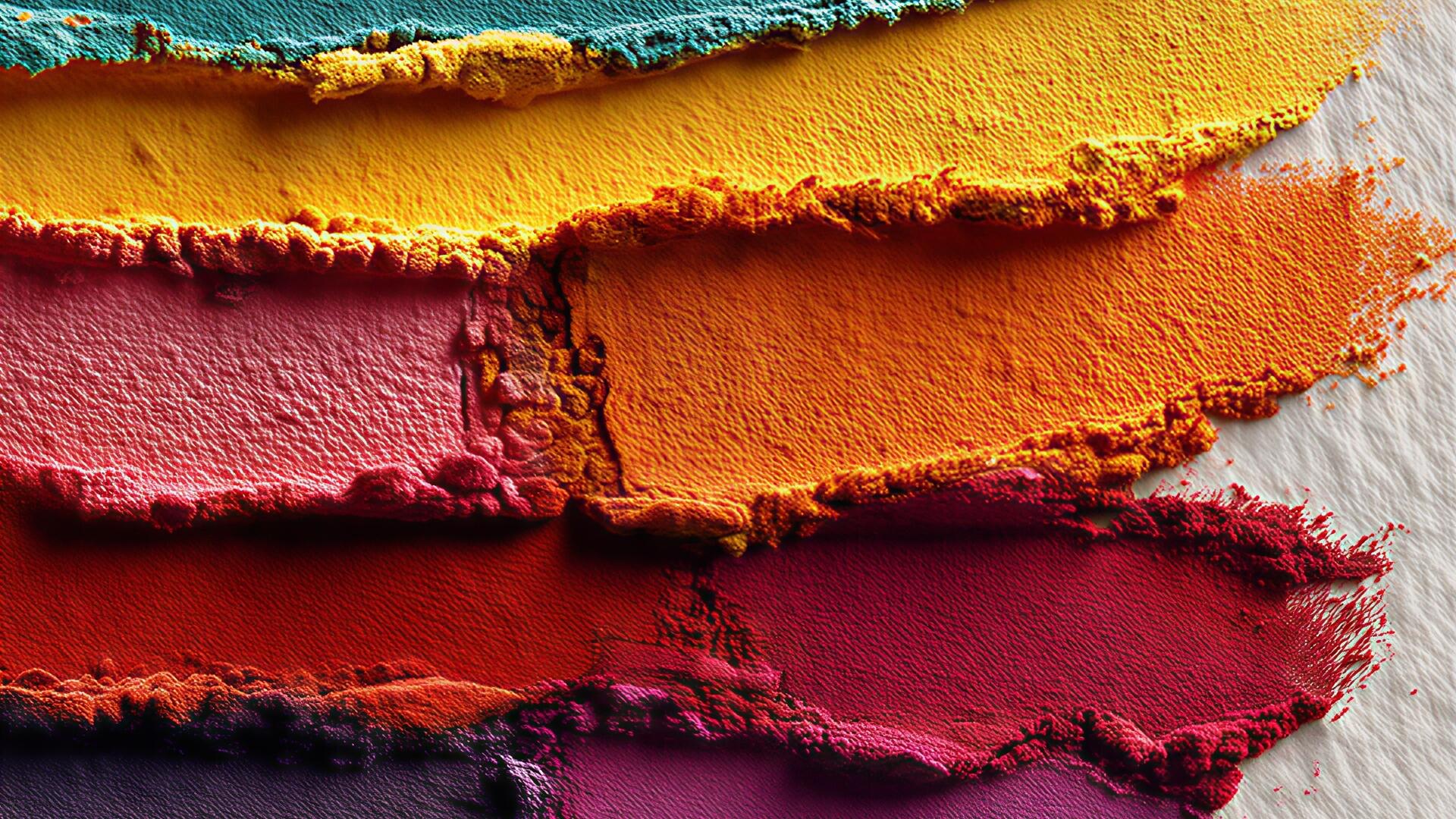
The psychology of colors is based on the fact that each color can evoke a specific emotion or mood. For example, the color blue is often associated with calm and serenity. In many cultures, blue symbolizes trust and loyalty. For this reason, this color is frequently used in offices and work environments to promote a productive and peaceful atmosphere. It is important to be aware of how these colors affect your own feelings and the mood of your surroundings. Have you ever noticed how the light in a room filtered through blue curtains has a calming effect on you? This influence can be deliberately used to create an atmosphere that promotes both creativity and relaxation.
Colors and Their Meanings
In addition to blue, there are many other colors that can evoke unique emotional reactions. Red, for example, is often associated with energy, passion, and urgency. This color can accelerate the pulse and increase heart rate. For this reason, red is often found in advertisements and sales promotions to grab attention. So when you are in a place where a lot of red is used, be aware that it can boost your energy or even put you under pressure. How do you perceive this color in your personal environment? Is it a motivator or rather stressful for you? It’s worth thinking about.
Another critical color is green, which is often associated with nature, growth, and harmony. In a world that is increasingly digital and urbanized, the presence of green can have a calming and revitalizing effect. Plants in your office or home not only create a pleasant room climate, but also emphasize the positive impact of green on your mood. If you feel stressed or overwhelmed, it can be helpful to spend time in a space with natural green tones or take a walk in the park. The connection to nature has a proven positive impact on our mental health and can help reduce stress.
Subconscious Influences of Colors
Are we aware that colors not only influence the outer world but also our inner experiences? For example, we often associate the color yellow with joy, optimism, and creativity. This color is frequently used in rooms that invite brainstorming or creative work. Yellow can help brighten our thinking and stimulate the flow of new ideas. But be careful: too much yellow can also be overwhelming and provoke a sense of nervousness. Here, the right balance is crucial!
Also, think about the effect of neutral colors like gray or beige. These colors often radiate calm and neutrality but can create a cold and sterile atmosphere if used excessively. It’s interesting to observe how these colors influence the feeling in your own living space or workplace. Perhaps you have experienced less joy in your space recently because neutral colors dominate? With a deliberate use of colorful accents, you can create a harmonious balance.
Practical Tips for Color Design
How can you harness the power of colors for yourself? A first step might be to reconsider the colors in your personal space. Think about which colors make you feel good and what emotions they evoke in you. Then, try to consciously design your living or work environment. Add color accents that evoke positive emotions for you. For example, if you often feel tense while working, you might try incorporating green or blue elements.
Another practical tip is to choose the color of your clothing based on your mood and the emotions you want to express. If you have an important meeting and want to boost your self-confidence, wearing red or black could give you the confidence you need. Think about what messages you want to convey through the colors you wear. Sometimes, simply changing your color can make a significant difference in your emotional state.
Finally, it’s important to reflect on which colors dominate your daily life and what emotions they evoke. Take some time to pause and observe how you feel in different color-designed environments. These insights can help you make decisions about how to shape your surroundings to strengthen your inner balance. By consciously playing with these colors, you can significantly enhance your emotional well-being.