Night Sky and Animal Behavior
How Stars Shape Animal Life
N
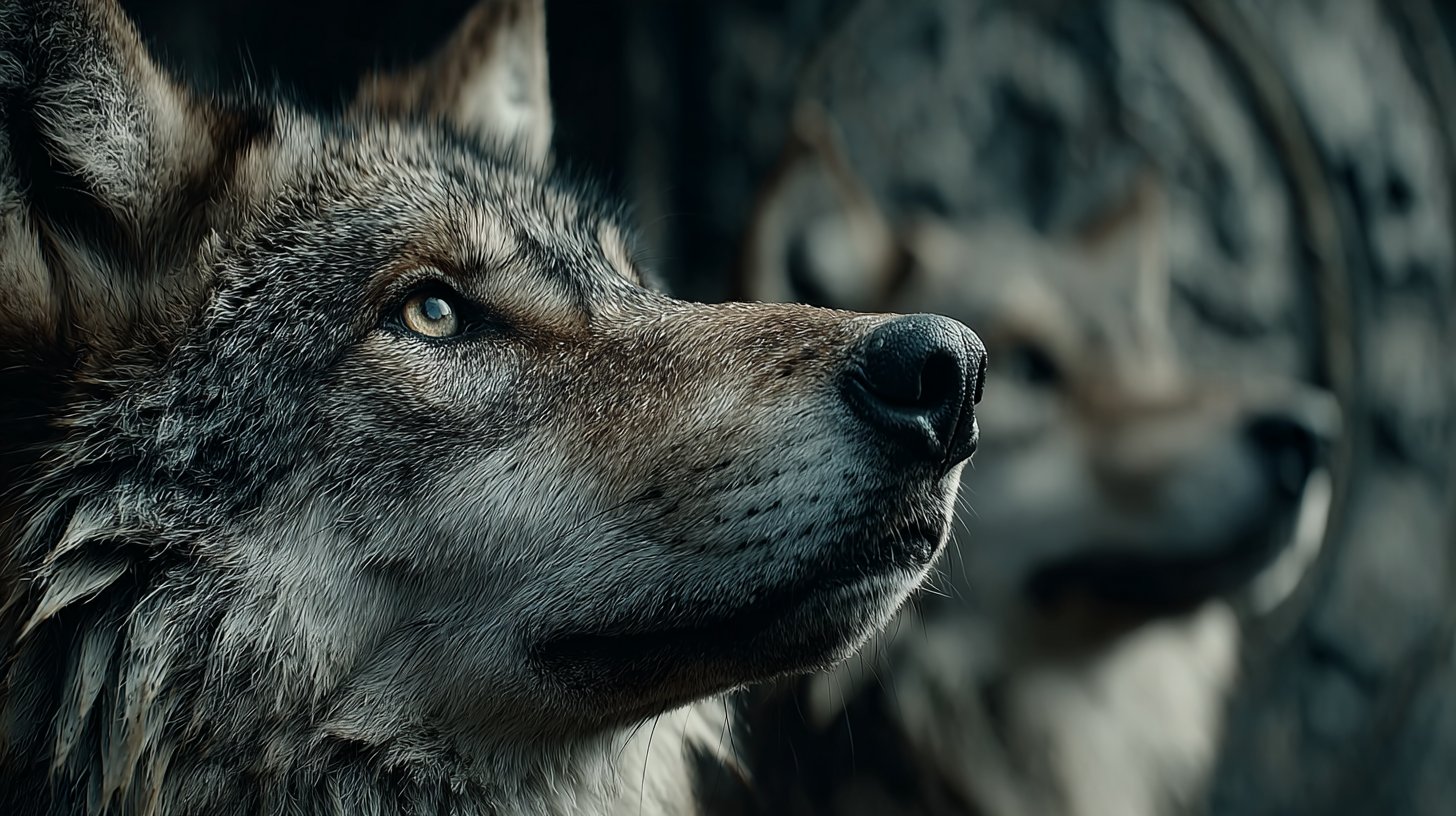
Astronomy is not only fascinating, but it also has a profound influence on animal behavior. Nocturnal animals navigate by moonlight, while others synchronize their breeding times with the phases of the moon. In this article, we will explore how the night sky affects the life patterns of animals and what amazing connections exist between heaven and earth.
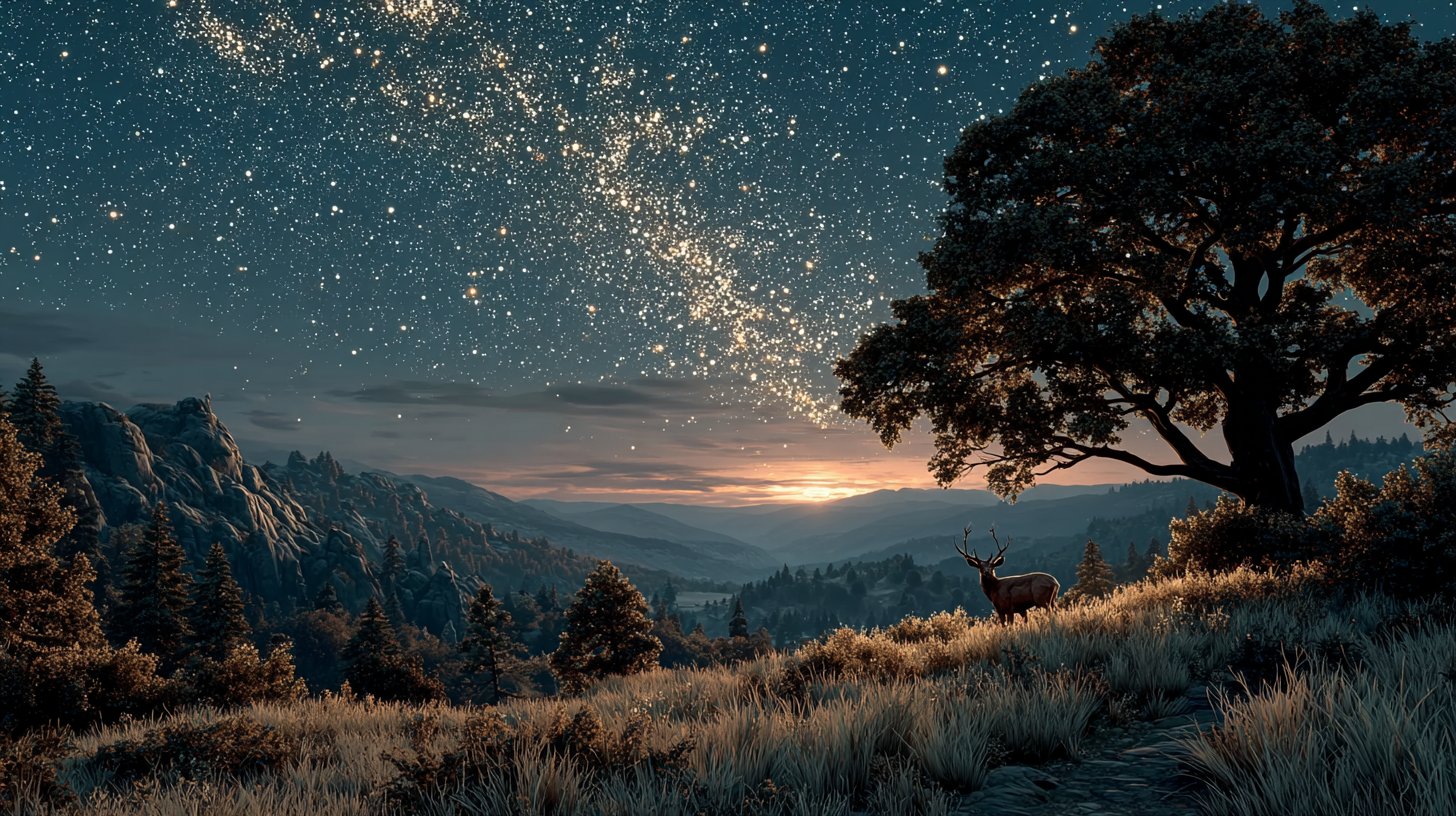
The night sky, often perceived as a mysterious carpet, holds far more than we see at first glance. The various celestial bodies and their cycles are not only a visual spectacle but also critical factors in the behavior of many animal species. As we relax on mild nights and watch the stars, the animals around us show us how essential this sky is for their survival.
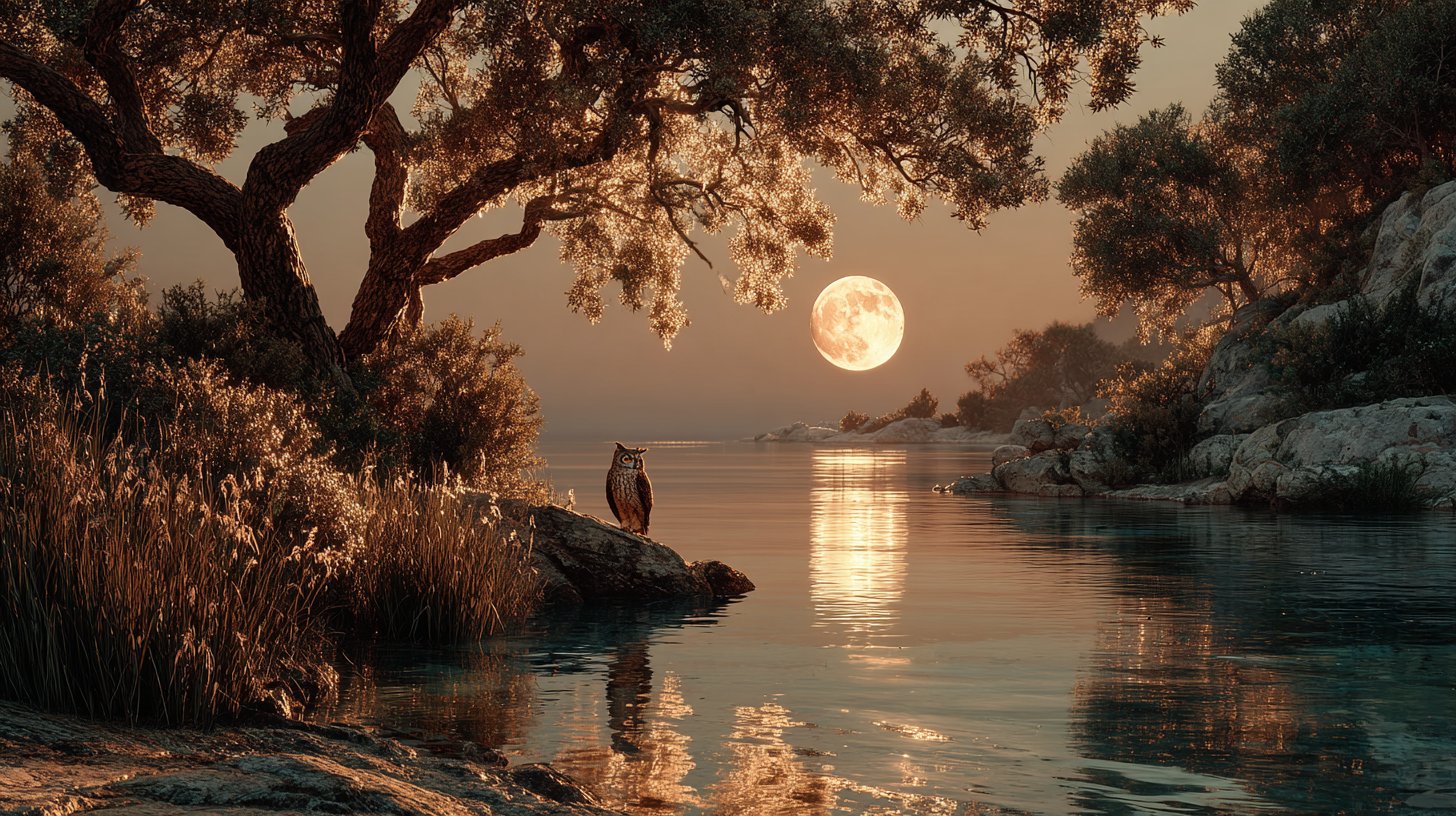
Moons and Their Effects
A particularly striking example of the moon's influence can be found in the animal kingdom. Many marine creatures, such as turtles, lay their eggs precisely when the moon is full. The associated gravity not only attracts the water but also influences breeding behavior. There is also a rule in the animal world: The brighter the night, the more active many species are. Predators and prey use the light to hunt or hide from each other.
Moreover, many bird species navigate by the stars, especially during their migrations. An example is the robin, which plans its travels at night and navigates by the stars and the moon. These animals have turned navigation into a true art form, relying on nature and celestial signs to determine their routes.
Seasons and Animal Behavior
The night sky influences not only behavior at night but also how animals perceive the seasons. Many species, especially in temperate zones, synchronize their reproduction and migration with the changes of celestial bodies. For instance, the transition between new moon and full moon can trigger different breeding times in fish and amphibians, while some mammals increase their activity to utilize the light and prepare for winter.
Additionally, the seasons often motivate animals to plan their foraging or migration. A good example is the caribou, which in spring heads to the mountains to reach the warm ground before their females. These migrations are tied to global cycles and climatic changes, demonstrating impressively how interconnected the animal world is with natural and astronomical phenomena.
Constellations and Animal Behavior
Did you know that even the recognition of constellations can influence animal behavior? Many traditions and myths in various cultures are based on the observation of stars and their constellations. Animals have developed relational differences in their behavior because, like humans, they are capable of recognizing patterns. A study has shown that some bird species make decisions about their sleeping spots based on nocturnal star groups.
For many animals, these celestial images are not only wayfinders but also indicators of safety. In regions where the sky is obscured by light pollution, animals often tend to change their breeding and nesting times since they can no longer rely on their instinctive behavior patterns.
The reciprocal influences between the night sky and animal behavior are thus multifaceted and fascinating. Each animal has its own way of connecting with the universe, illustrating our intrinsic connection to nature.
Overall, it becomes clear that astronomy is not just a field of study for scientists, but also plays an existential role in animal behavior. Animals orient themselves to the cycles of the night sky, which has significant impacts on their survival. It is fascinating to consider how everything is interwoven and how important the night sky is to the balance of nature.
It is time to appreciate the stars once again. The next time you look up at night, remember that you are not only admiring the beauty of the universe but also the complex web that influences our lives and those of countless animal species. Let us learn more about this wonder and rediscover our connection to nature through the night sky.