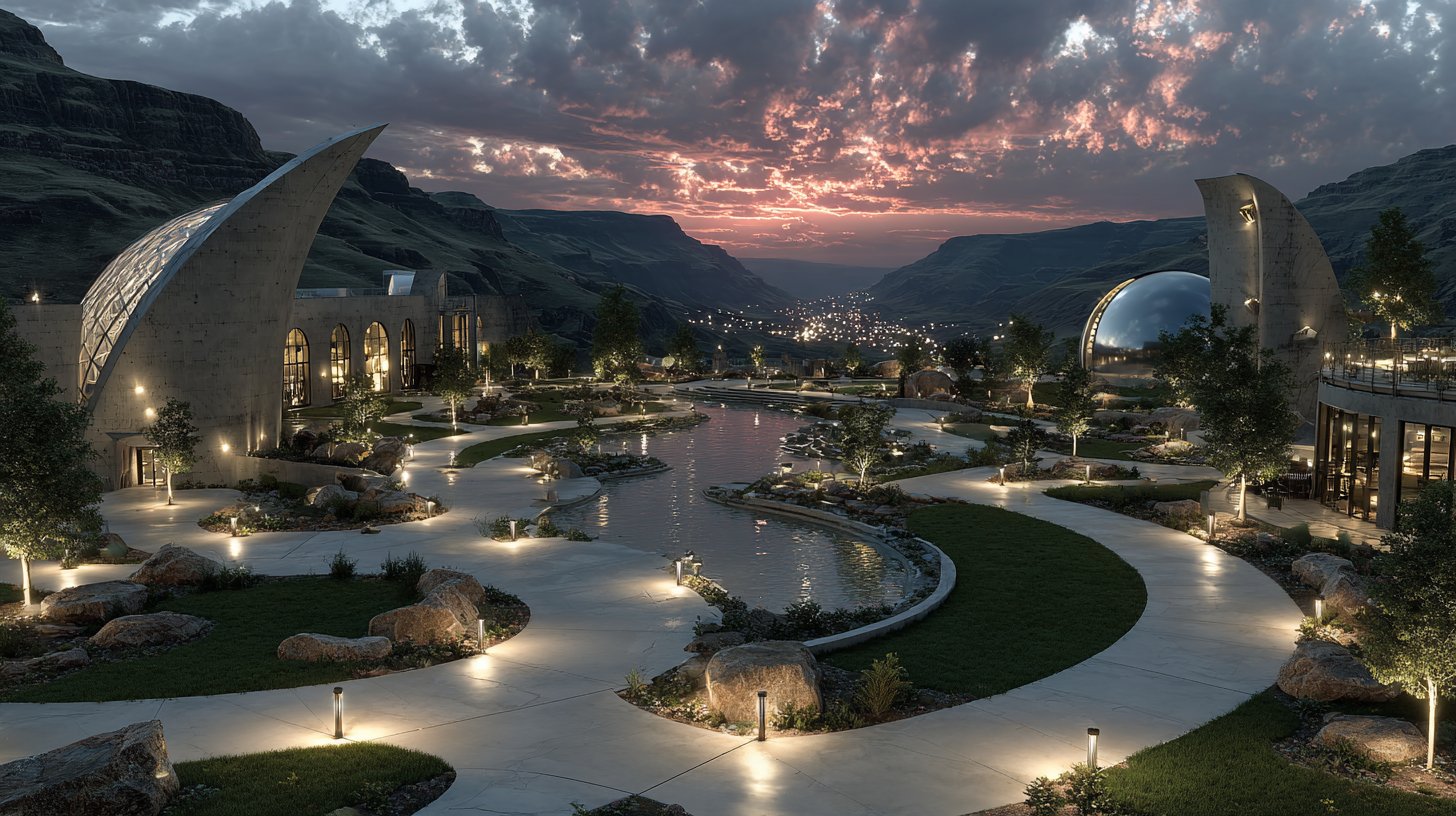
Connecting sky and city
How the night sky shapes our urban landscape
D
Astronomy, urban planning, experience – three words that may not seem to have much in common at first glance. However, the night sky can significantly influence the way we plan and design our cities. In this article, we look at how the fascination with the cosmos not only affects our gaze upward, but also how we can reshape our living spaces and make them more livable.

Imagine standing in the middle of the city, surrounded by towering buildings and bright lights. When was the last time you looked at the night sky? Most of us don't see much of the stars anymore, as city lights obscure our view. This light pollution affects not only wildlife but also our own perception of the universe. However, if we become aware of how essential the night sky is for our emotions and creativity, we can develop new approaches in urban planning. An urban landscape that integrates astronomy into its heart can strengthen our connection to nature and enrich our living environment.

Light pollution – a growing problem
Light pollution is a term that has gained more attention in recent years. The excessive artificial lighting in cities not only affects our sleep patterns but also our ability to interact with nature. Studies have shown that people living in cities get less sleep and suffer from increased stress, as they have distanced themselves from natural rhythms. If urban planners consider the night sky and take steps to reduce light pollution, it could lead to an improvement in the quality of life for all residents.
An example of this is light planning in cities, which aims to create a balance between safety and stargazing. By using targeted lighting and removing unnecessary lights, we can ensure that the stars become visible again and create spaces for nighttime activities. Just think about how wonderful it would be to sit in a park on a clear evening, watching the stars twinkle, and perhaps even seeing a shooting star or two.
The night sky as a source of inspiration
Astronomy can also be a great source of inspiration for artists, designers, and architects. Many cities have artworks and architecture inspired by the stars and the universe. Just think of the amazing night sky that can influence the design of parks, squares, or even residential buildings. By incorporating astronomical themes, urban designers can create unique and inviting environments that encourage residents to spend more time outdoors and connect with one another.
Take, for example, the High Line Park in New York, which is not only known for its great landscaping but also for its astronomy events. Here, residents and tourists can explore the night sky together, which not only strengthens community ties but also raises awareness of urban challenges such as light pollution. Such activities contribute to education and the development of a stronger emotional connection between people and their living environment.
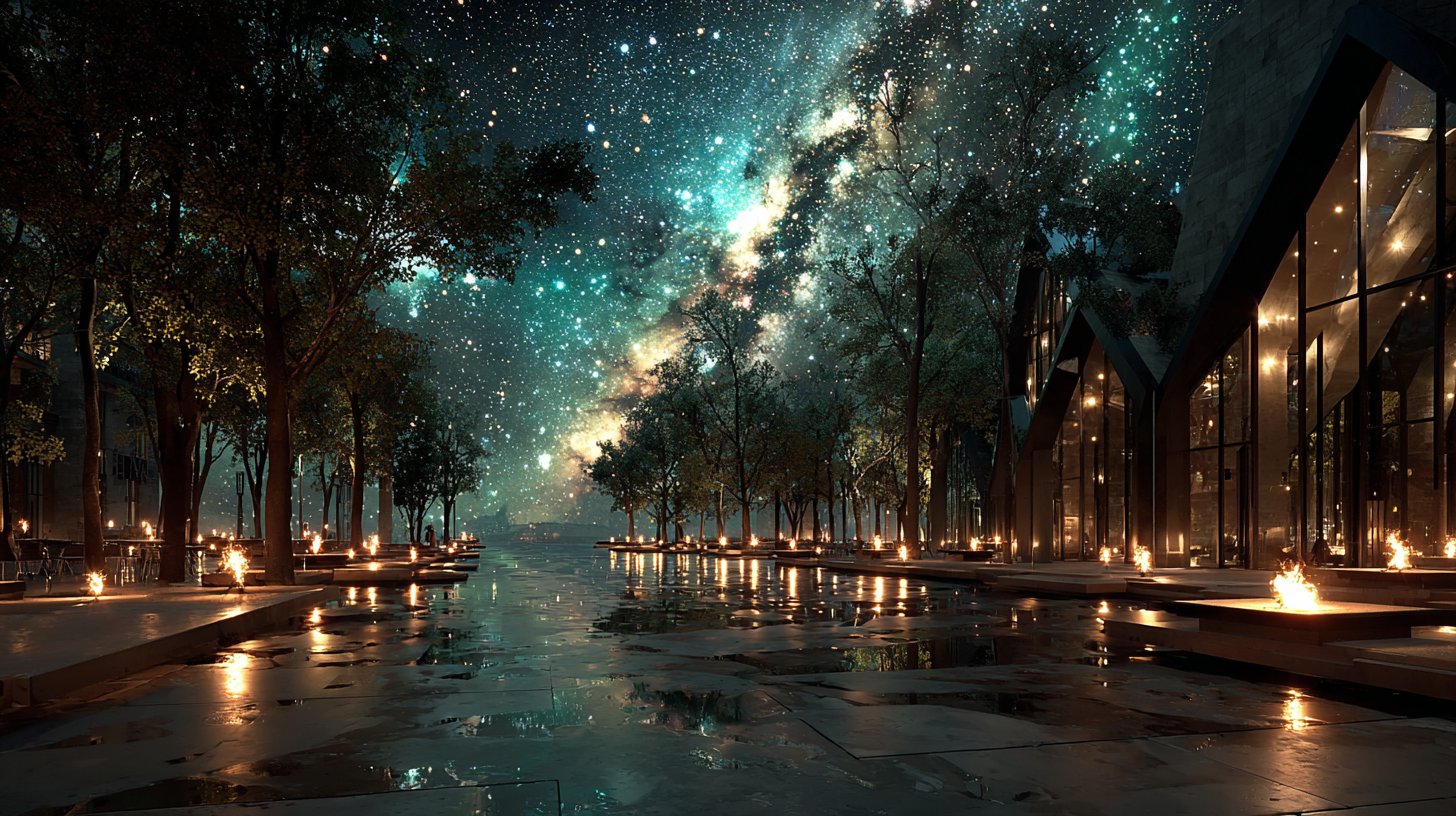
Ways to integrate astronomy into urban design
To integrate astronomy into urban design, we need to pursue innovative approaches. Strategies such as developing observational points within the city could invite people to explore the night sky. Dark zones or cities that take conscious measures to reduce light pollution could even become tourist attractions. City guides could offer nighttime tours focused on the stars, while residents have the opportunity to engage in the nighttime design and upkeep of their city.
Another way could be to develop night sky apps specifically designed for the beauty of the urban environment to help citizens better understand and enjoy astronomy. By utilizing technology to make the night sky visible, we can raise awareness of its significance and foster a dialogue about the connection between nature and urban life.
Ultimately, there are many ways the night sky can influence urban planning and design, and it is up to us to recognize and use these opportunities. We should create an awareness that the sky above us is not just a beautiful sight but also a source of inspiration and well-being.
In summary, the connection between astronomy and urbanism offers a multitude of opportunities. Through conscious urban planning that takes the benefits of a clear night sky into account, we can create living spaces that are not only functional but also aesthetically pleasing and healthy for their inhabitants. It is up to us to take a step towards a future where we can enjoy both the sky and the cities in which we live.