Society Under the Stars
How the Night Sky Shapes Our Lives
M
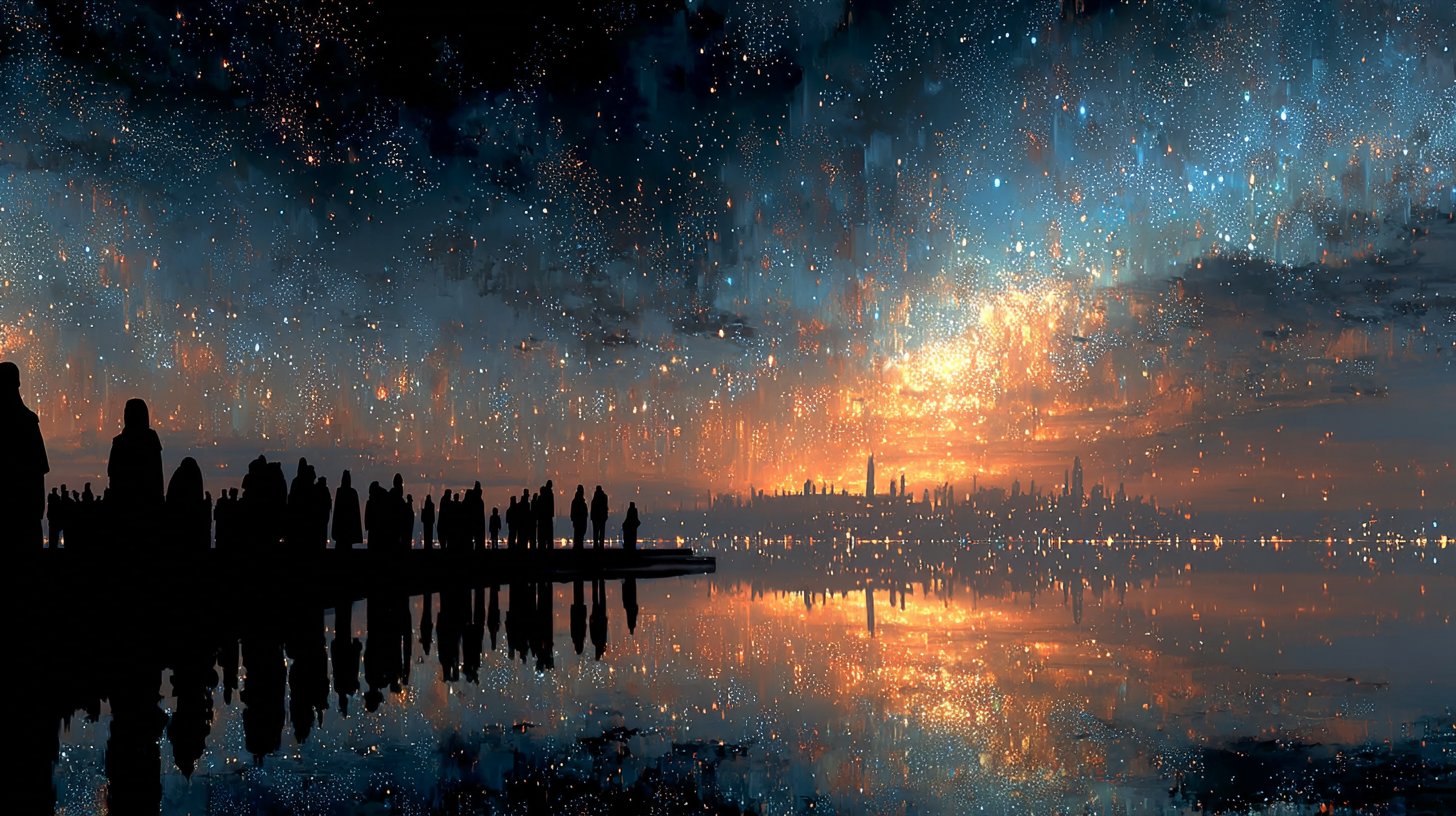
Astronomy, sociology, night sky – these three concepts may seem unrelated at first glance, but they are deeply intertwined. When we look up at the sky at night, we can not only experience the beauty of the universe but also reflect on how this view influences our social behavior, our culture, and our coexistence. In this article, we will explore the fascinating connections between the night sky and our societal structures. Let's find out together what the stars can teach us about our communities!

In ancient times, the night sky was an essential part of people's lives. It served not only for navigation but also for timekeeping and planning agricultural activities. Seafarers navigated using the stars, and astronomy was closely linked to mythology and religion. These early civilizations saw a deep connection between the sky and the earth. Today, awareness of the night sky has significantly diminished in many urban areas due to light pollution. Nevertheless, many cultures around the world have preserved a deep respect and admiration for the universe, which is reflected in their traditions and social behaviors.
Astronomy and cultural identity
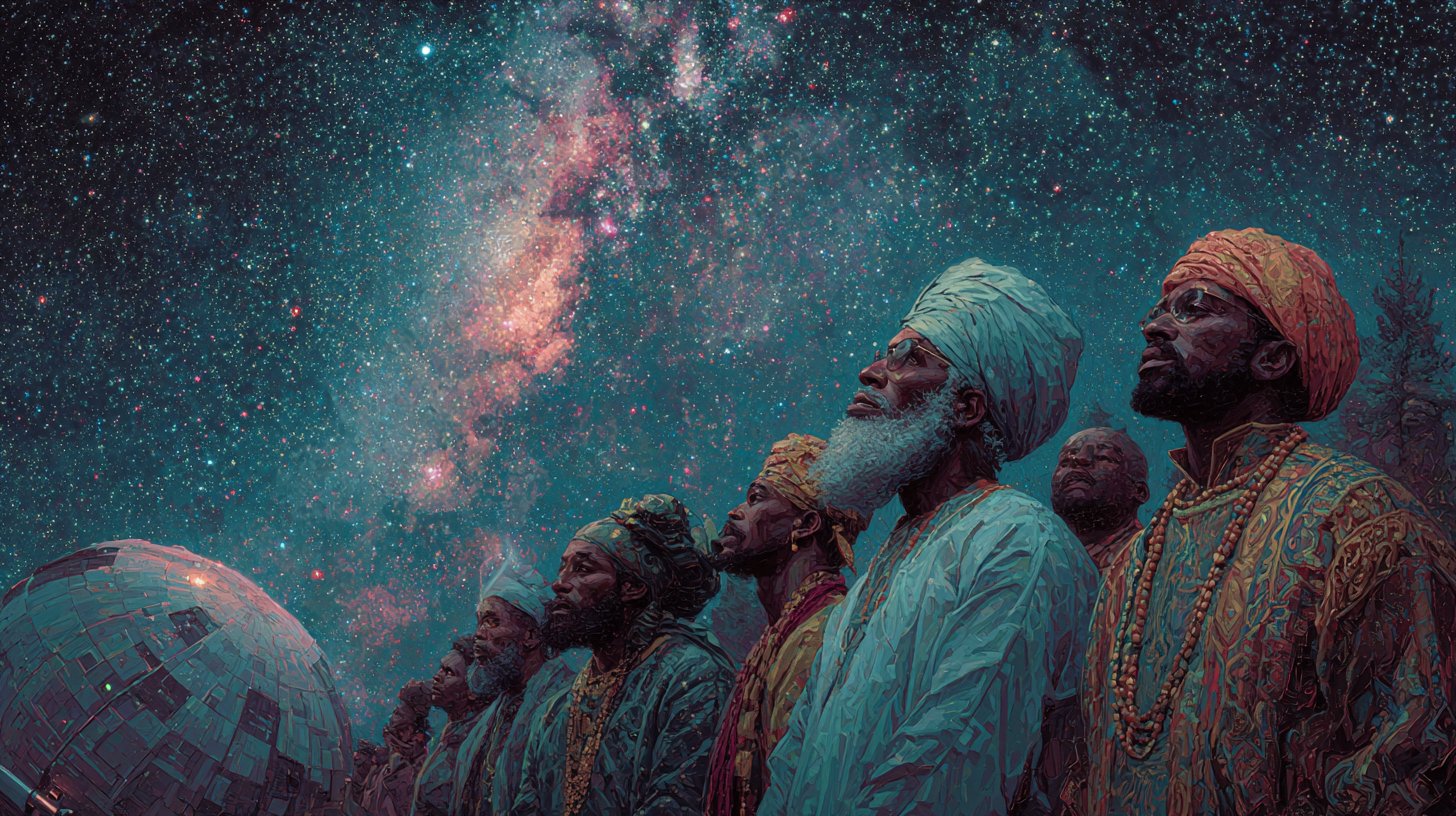
The way we perceive the night sky also influences our cultural identity. In many cultures, certain constellations and celestial bodies hold great significance. They influence customs, festivals, and rituals. In Japan, for example, the Tanabata festival is celebrated, which is based on the legend of two lovers who can only meet in the sky once a year. Such stories connect people across generations and solidify cultural roots. Thus, astronomy offers a common language that can communicate across geographical and social boundaries. We find inspiration in the same stars, which unites us as humanity.
In an increasingly digital world, where many of us live in urban settings and often lose sight of the night sky, consciously perceiving the cosmos can be a form of returning to the essentials. The desire for communal experiences, such as watching shooting stars or planning trips to nature together, shows how strong our need for connection and togetherness is. This is especially important in a time when many people feel isolated or struggle to establish genuine social contacts.
The influence of the stars on social behavior
Astronomy not only has cultural impacts but also influences our social behavior. When you look at the sky after a long day, it can lift your spirits and make you aware of the little things in life again. Studies show that people who regularly observe the night sky tend to be more optimistic and experience higher well-being. The wonder of the universe not only fosters the individualistic aspect of human life but also creates a sense of community when discussing these experiences with others and sharing them. Shared experiences and admiration create social bonds and strengthen friendships.
In many communities, astronomy clubs or star-gazing groups have emerged, where people come together to share their fascination with the night sky. These groups not only provide a platform for exchanging knowledge but also the opportunity to form new friendships. The shared enthusiasm for the stars creates social dynamics that connect people across generations and different backgrounds. It is interesting to observe how a common interest in astronomy brings people together despite their differences and helps them find common ground.

Night sky as a mirror of societal changes
The night sky can also be seen as a mirror of societal changes. With the rise of urbanization and light pollution, many people feel uprooted, losing connection to nature and their cultural roots. However, astronomical events like eclipses or the passage of comets often attract the masses and can act as catalysts for social movements. Astronomy inspires contemplation on the larger themes of life, whether it's the pursuit of greater sustainability or the desire to preserve the earth. More and more people are recognizing that they are part of a larger cosmos that influences them and with which they can collaborate towards a harmonious civilization.
Thus, the preservation of the night sky is also a societal responsibility. Initiatives to combat light pollution and promote astronomy not only benefit the sky but also foster awareness of the environment and social cohesion. When people come together to observe the night sky, it creates spaces for discussions about sustainable development and collective action.
The connection between astronomy and sociology is fascinating and demonstrates how the night sky influences our lives in various ways. Looking at the sky can be a starting point for profound societal reflections. It reminds us that we are part of a larger whole that goes far beyond our individual concerns. By taking the time to look up, we can find peace within ourselves as well as strengthen our connections with other people. The sky is not only a place of beauty but also a source of inspiration that encourages us to think beyond the strict boundaries of everyday life.