Astronomy meets history
How the sky shaped our ancestors
L
Astronomy, history, and civilization – the fundamental concepts behind what has shaped our development as humanity. When you look at the night sky, you see not only stars, but also a connection to the ancient cultures that used these sky observations to understand and shape their world. Let us embark on an exciting journey through time to discover how these elemental elements are interconnected.
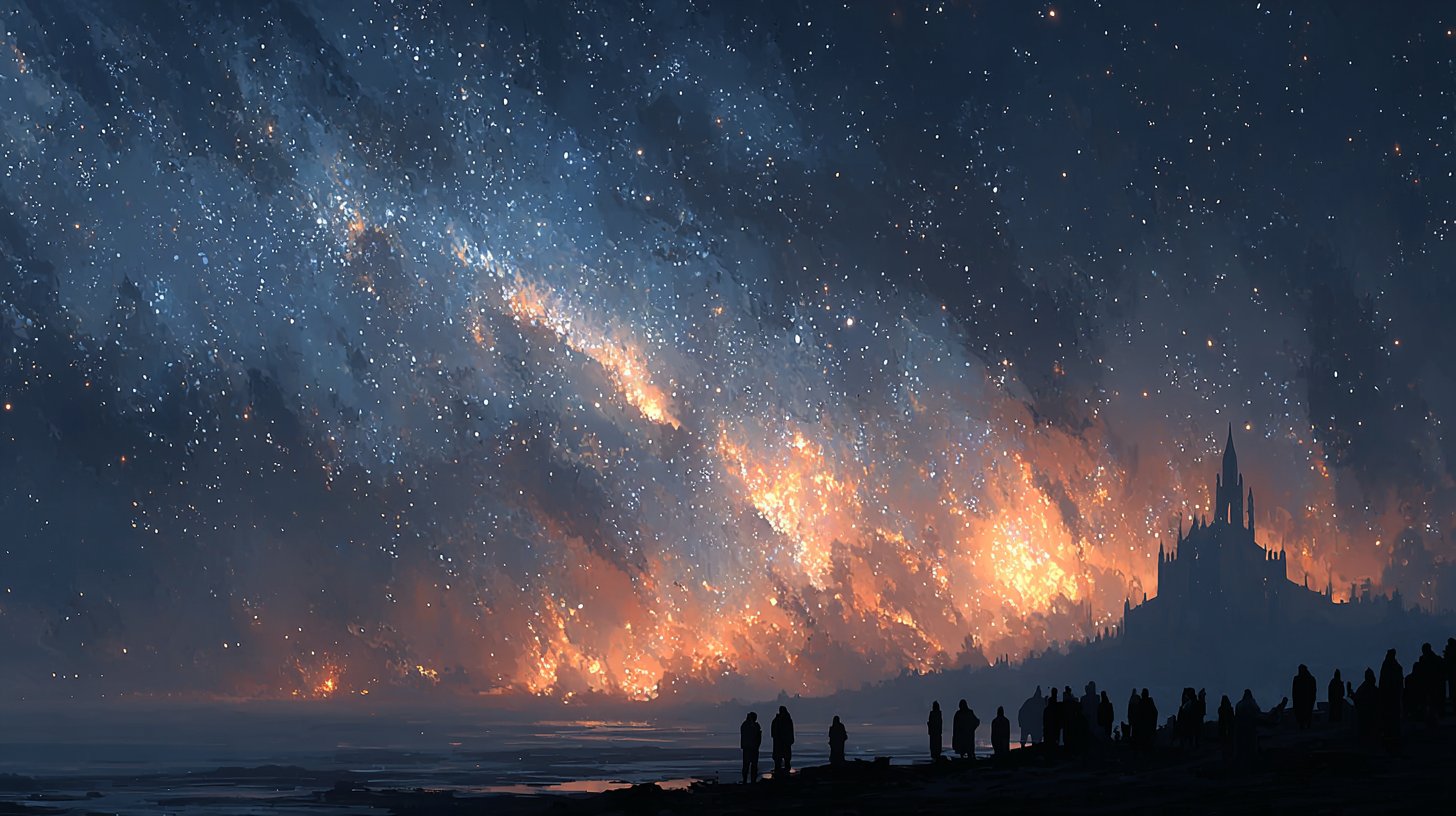
The wise men of antiquity looked to the sky and saw not only a collection of numbers and structures, but a living picture that provided them answers to the questions of life. Observing the stars and planets was not merely a hobby or a science – it was central to the survival, planning, and belief systems of these early civilizations. You would likely be amazed at how many of today’s practices and beliefs stem directly from the astronomy of ancient civilizations.

The importance of sky observation
The first civilizations, such as the Babylonians, Egyptians, and Mayans, had a deep understanding of astronomy. They used their knowledge to create calendars, determine hunting seasons, and even to establish the best times for agricultural activities. These early astronomers were not only scientists but also priests and advisors. Their observations influenced the societal structures and daily lives of millions. Can you imagine what it would be like if survival depended on the stars? A wrong step could mean the difference between a fruitful year or drought.
Astrology played an equally significant role in many cultures as astronomy. People believed that the positions of the stars and planets could influence their fate. Even today, many people place great value on astrological predictions, illustrating that the connection between astronomy and human life not only existed in the past but continues to persist. In a way, we are still searching for the same understanding.
Astronomy and religion
Another fascinating topic is the connection between astronomy and religion. In many cultures, the gods were strongly associated with celestial elements. The ancient Egyptians worshipped the sun as a deity and built monuments that were perfectly aligned with the daily and annual movements of the sun. These religious practices led to a deeper connection between people and what they saw in the sky. When you think of religion and the sky, you might find that these influences still shape our current understanding of spirituality.
The connection to astronomy is also evident in many mythological tales that have emerged in different cultures. Many myths describe the sky as something that directly influences people. The stories of constellations and gods looking down on the earth can still inspire us today and remind us how important the sky has always been for humanity.
The lasting fascination
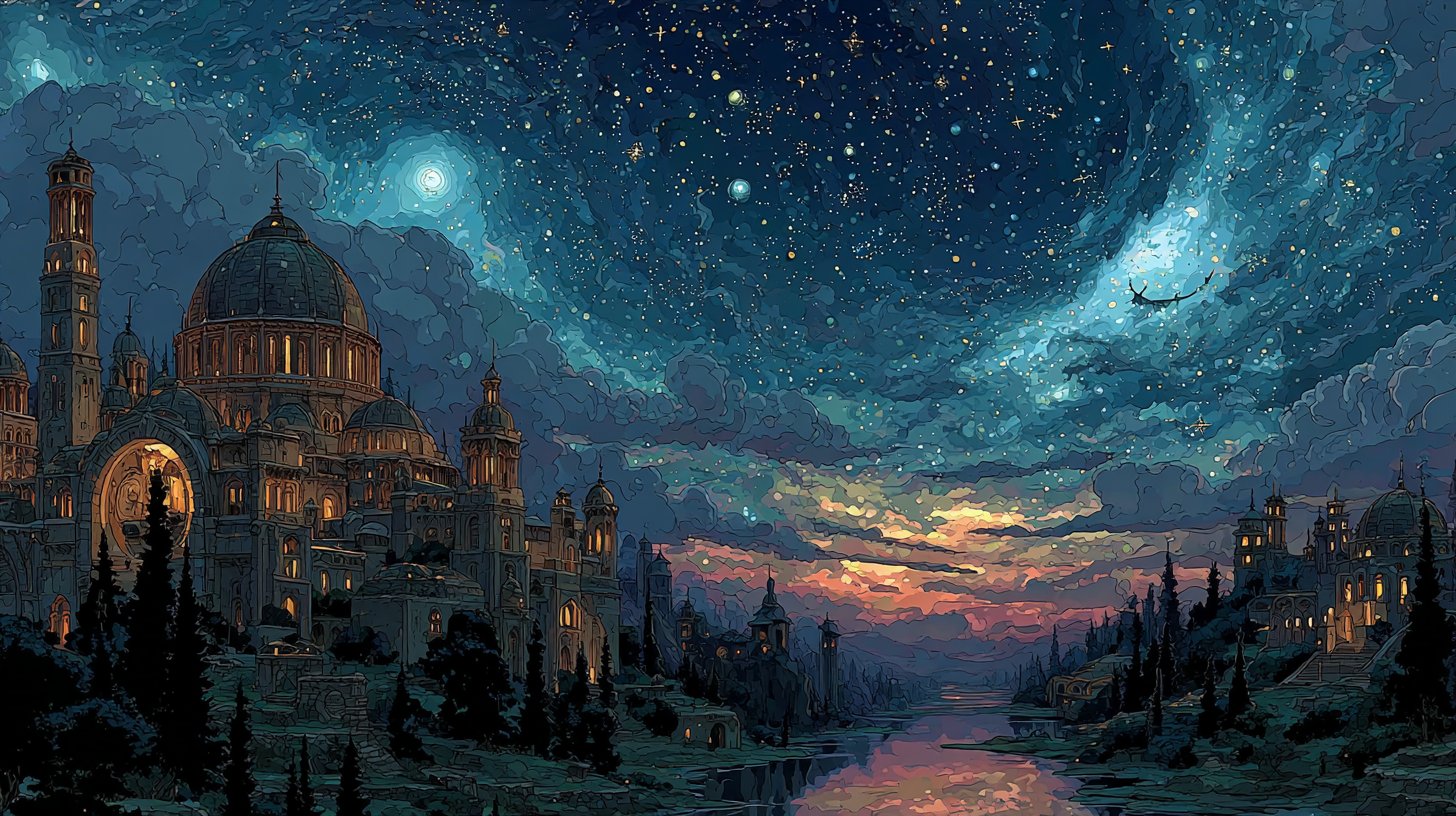
The fascination with the sky and stars continues to this day. In the modern world, while we have made many technological advances, the wonder of the universe remains. Astronomy is no longer just a topic for scientists, but for anyone who wishes to admire the starry sky and contemplate the deeper questions of life. When you look through a telescope or simply lie on a meadow watching the stars, you might find yourself confronted with the same questions that occupied people in antiquity.
Furthermore, we recognize that knowledge about the universe is shared across various communities. Stargazing clubs, planetariums, and online forums bring together people who share the same interest. It is wonderful to see how this connection is passed on through sharing knowledge and experiences and how important it is to nurture our relationship with astronomy.
In summary, astronomy plays a deeply rooted role in the history of humanity. From the first civilizations that observed the night sky to our modern societies, sky observation has influenced our lives in many ways. It helps us not only to understand the world around us but also to find our place in the universe. Let us continue to look up, admire the stars, and explore the mysteries of the sky – for perhaps there are still many answers waiting to be discovered.