Space meets economy
How astronomy transforms the economy
M
In our today's world, the terms economy, technology, and innovation are closely interconnected. When we think about how profoundly our lives have changed, we quickly realize that astronomy also plays a role. From satellite communication to data analysis - the influences of space technology are visible everywhere.

Space research has not only expanded our knowledge about the universe but has also had a direct impact on numerous economic sectors. The technologies originally developed for space exploration are being applied in modern industry and everyday life. To understand the full extent of these interactions, let’s take a look at some of the areas where these technologies have triggered a revolution.

Satellites and communication
One of the most striking applications of space technology lies in the field of satellite communication. Almost all of us use technologies based on satellites every day, whether it’s for television, navigation, or internet access. Satellites enable seamless connections between people around the world and contribute to the globalization of markets. Businesses can communicate more efficiently through this technology, monitor their production facilities, and better serve their customers. The possibilities are nearly endless, and the economy benefits enormously from these developments.
Furthermore, Earth observation satellites influence agricultural practices, environmental monitoring, and disaster management. Farmers use satellite data to make more precise decisions about irrigation, fertilization, and harvest times, leading to higher yields and more sustainable management of resources.
Technological innovations through space projects
The development of space technologies brings numerous innovations that also find applications in the civilian economy. For instance, research in materials science, necessary for space travel, has led to the creation of lighter and more stable materials used in various industries, from the automotive industry to aviation. These advances not only increase efficiency but also reduce the environmental impacts of production.
Another example is the technical development of AI-driven systems for data analysis. These technologies, originally designed to evaluate the vast amounts of data sent back by space probes, are now being applied in finance, medical diagnostics, and many other areas where large datasets need to be processed.
The impacts on the world of work
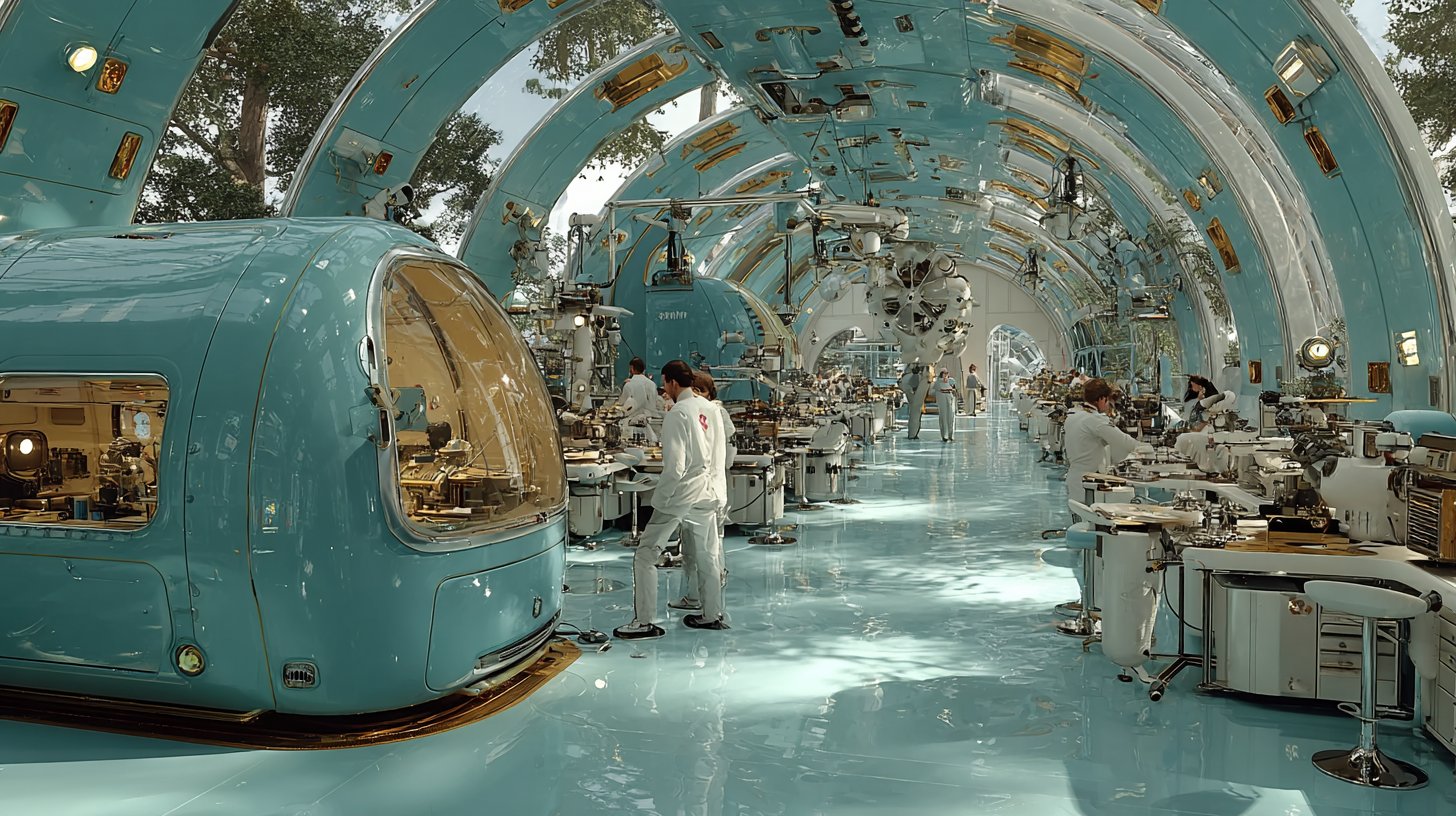
With the rise of space technology, new job fields and training opportunities are also emerging. The demand for skilled workers in engineering, computer science, and other technical disciplines is steadily increasing. This not only offers prospects for young people aspiring to a career in these areas but also contributes to strengthening the overall economy. Companies investing in these technologies are better positioned to succeed in an increasingly competitive market.
It is important to emphasize that these developments also bring challenges. The technological change requires adjustments in education, and it is crucial that educational systems keep pace with the demands of the industry. In this context, dialogue between schools, universities, and industry is essential to ensure that the next generations are well-prepared.
Overall, the role of astronomy in the economy shows that advancements in research and technology can have far-reaching positive effects on our daily lives and our economy. By investing in space exploration, we are also investing in the future of our technologies and society.
In summary, the impacts of astronomy on the economy are multifaceted and far-reaching. The technologies emerging from space research influence numerous industries and change the way we work, communicate, and live. The connection between science and economy remains highly relevant and will continue to play a crucial role in promoting innovation and growth in the future. Let us pay close attention to these developments and seize the opportunities they present.