Stargazing at the Environment
How Astronomy Discovered Climate Change
M
Astronomy, climate change, and environmental monitoring are central issues that affect us all. You may be wondering how these are connected? In this relaxed and informal reading journey, I will show you how astronomers look to the sky not only to observe the stars but also to gather valuable information for monitoring our environment.

Looking into space has always fascinated humanity. While astronomers take care of planets and stars, they also play a crucial role in observing the Earth and its atmosphere. With state-of-the-art telescopes and satellites, researchers can collect climate data that helps us better understand the state of our planet. By capturing information about atmospheric composition and changes, astronomers can uncover alarming trends in climate change that pose significant challenges for humanity.
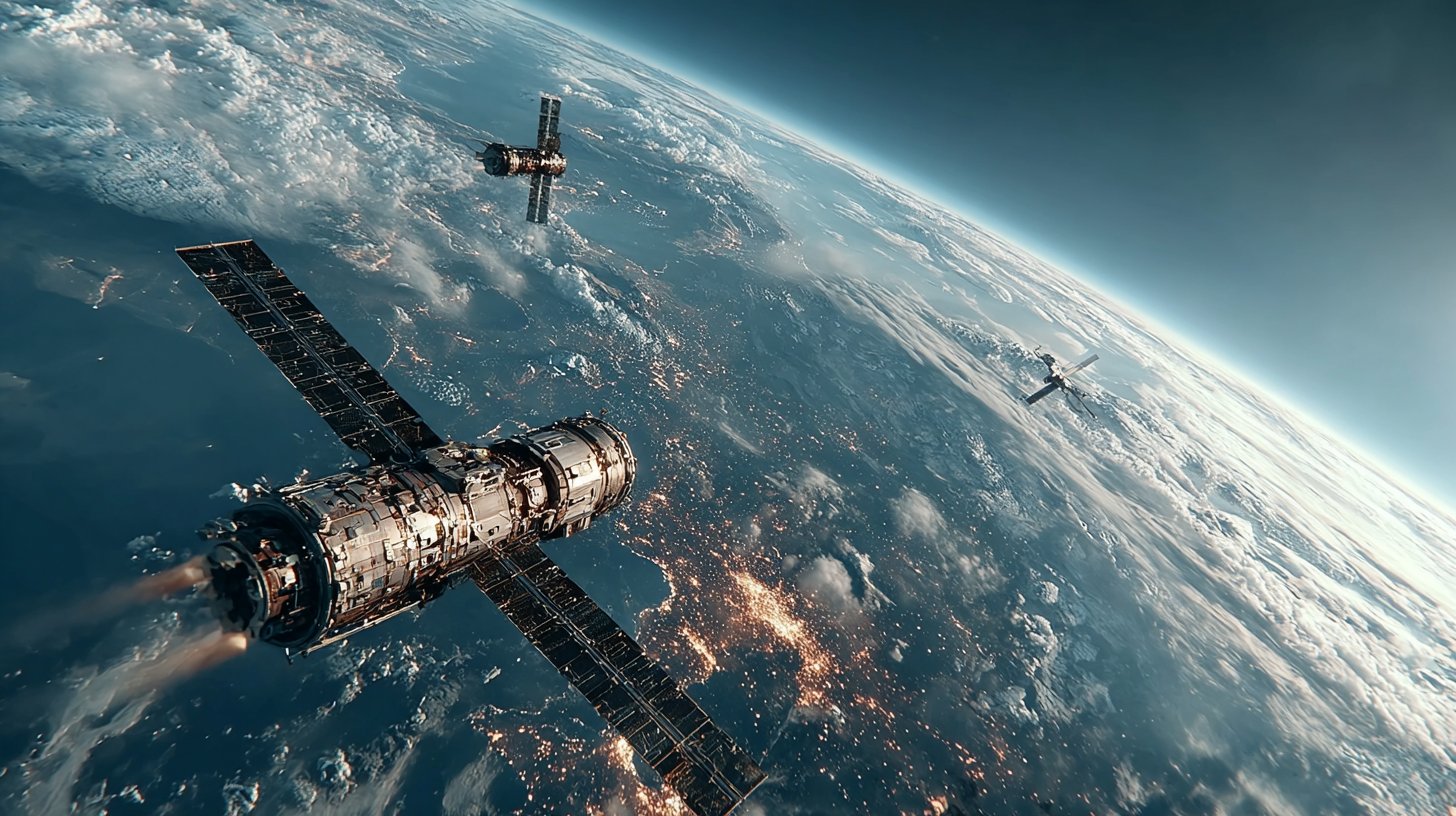
Satellites: The Eyes in Space
Satellites are a central tool in modern astronomy and climate research. They fly high above the Earth, measuring temperatures, observing weather phenomena, and analyzing changes in vegetation. Thanks to these technologies, comprehensive data about the Earth is collected, which can be compared globally and over time. While there are concerns about data privacy, the benefits outweigh these. The use of this data enables scientists to create more accurate models of climatic impacts and make predictions about future developments. This is our greatest tool in the fight against climate change!
One example that is frequently highlighted is the measurements of CO2 levels by satellites. These devices can measure the concentration of greenhouse gases and other pollutants in the atmosphere and help track changes in climate. Such information is not only important for astronomers but also for policymakers and decision-makers who aim to develop sustainable solutions to combat climate change.
Collaboration Between Sciences
Astronomy alone does not have all the answers to the questions of climate change, but its collaboration with other sciences creates a strong foundation for understanding our environment. Meteorologists, climate researchers, and astronomers work hand in hand to develop comprehensive models and identify problems. This interdisciplinary collaboration is crucial as it brings together different perspectives and expertise. By exchanging ideas and data, innovative solutions can be found for issues affecting the Earth.
An impressive example is the collaborative project that deals with the impacts of major natural events on the climate. By using astronomical data to analyze these events, researchers can better predict how climate change will affect regional and local weather conditions. This shows that astronomy not only explores the universe but also contributes concretely to solving problems on Earth.
Hope for the Future
Although climate change is a major challenge, there is also hope. The technologies available to astronomers are constantly evolving and offering new possibilities to monitor the climate and its impacts. With the right equipment, we can collect more precise data that enables us to make informed decisions and bring about real change. It is an iterative process – scientists are continually learning and adapting their strategies accordingly.
You can also be part of this hope! By publicly advocating for environmentally friendly measures and raising awareness about climate change, you also contribute to making a difference. You don't have to be an astronomer to make an impact. Often, even small steps, such as recycling or avoiding plastic bags, are a good sign that you are ready to take care of the Earth.
In summary, astronomy plays a crucial role in monitoring environmental damage on Earth. Through innovative technologies like satellites and interdisciplinary collaborations, we are better equipped to tackle the challenges of climate change. While the road ahead remains challenging, hope is alive through the collaboration of scientists and engaged citizens. Let's fight together for a sustainable future!