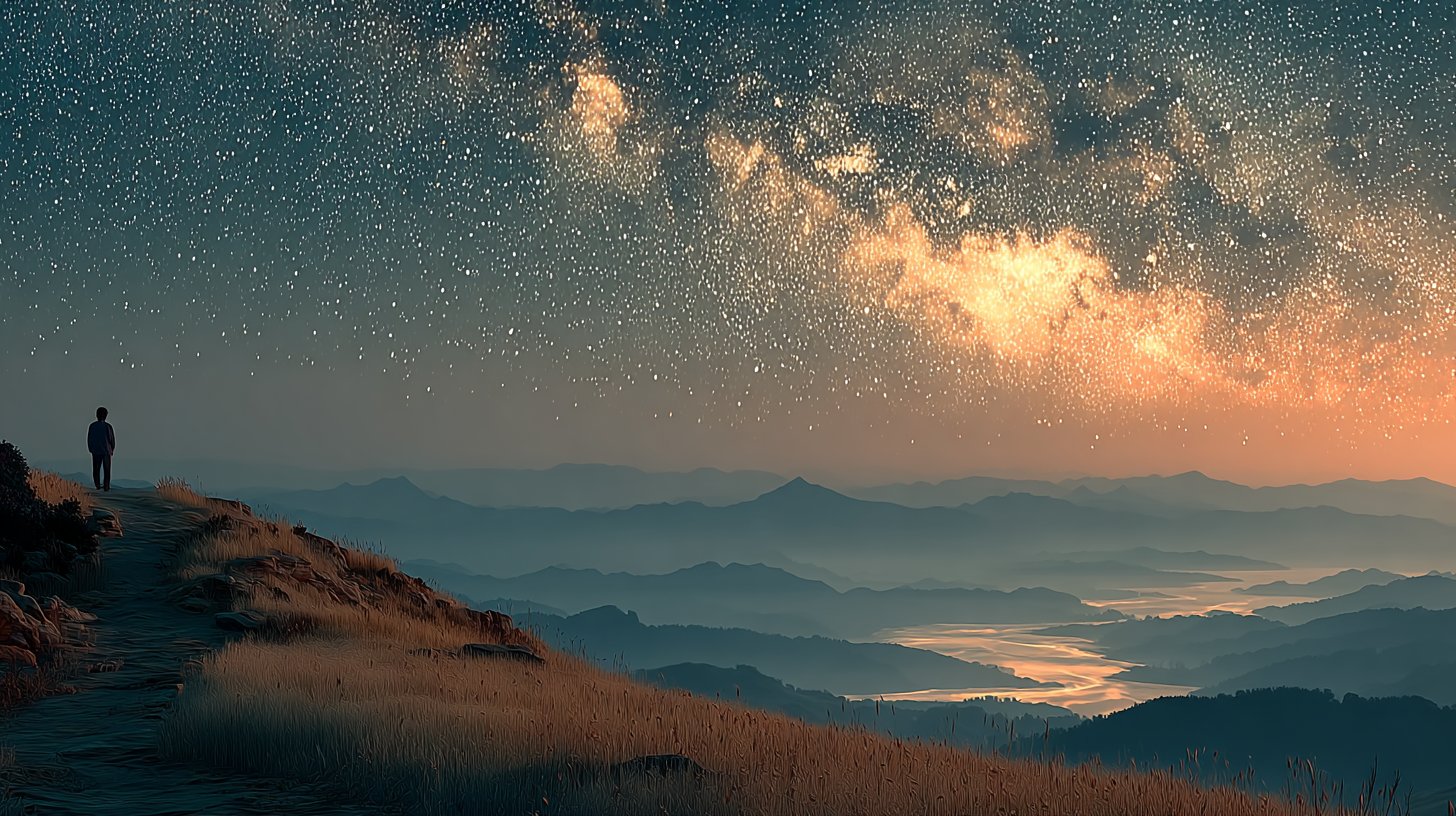
Beyond the Fog!
How Astronomy is Changing the Social Media Game
N
Astronomy, social media, communication – these three terms are increasingly connected. In a world where digital communication is booming, astronomical content has carved out a unique place and exerts its influence on users, followers, and even on general world understanding. The beauty of the universe not only impacts personal life but also changes the way we communicate with each other.
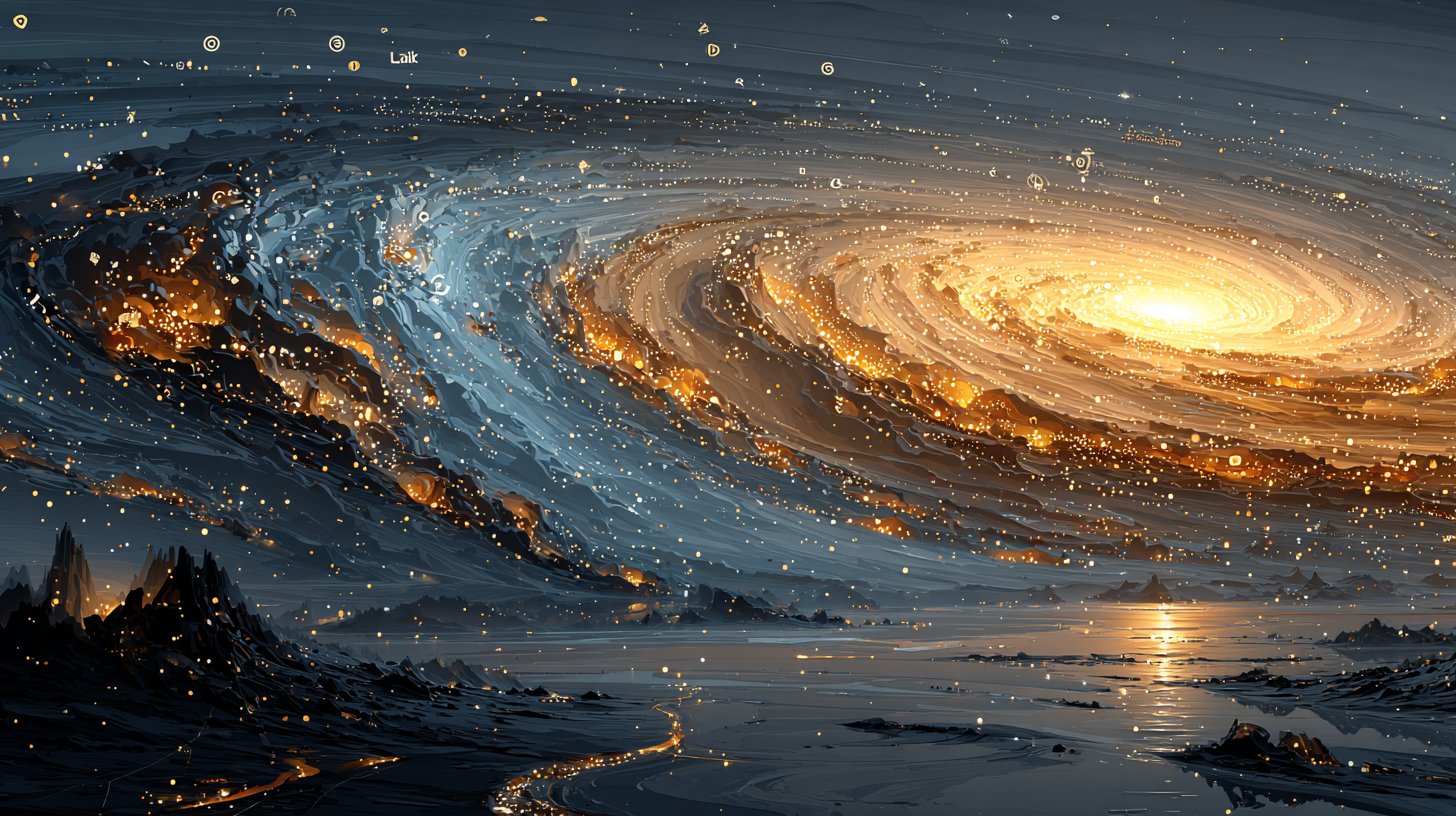
The dark expanses of space and the mysterious celestial bodies inspire many people. On social media, we encounter daily posts about new discoveries, breathtaking images of galaxies, and fascinating facts about black holes. These contents not only evoke awe and enthusiasm but also encourage deeper engagement with topics that often seemed too complex or distant. Especially platforms like Instagram, TikTok, and Twitter promote a visually striking representation of astronomy that piques users' curiosity. Thanks to the internet, we can now gaze directly into the infinity of the universe and be swept away by the fascination of space. Yes, we have the privilege today to follow the scientific community and other astronomy enthusiasts on their discovery journeys across various social media. You can easily follow current discussions as well as become part of a community of like-minded individuals who all share the same passion for the stars.
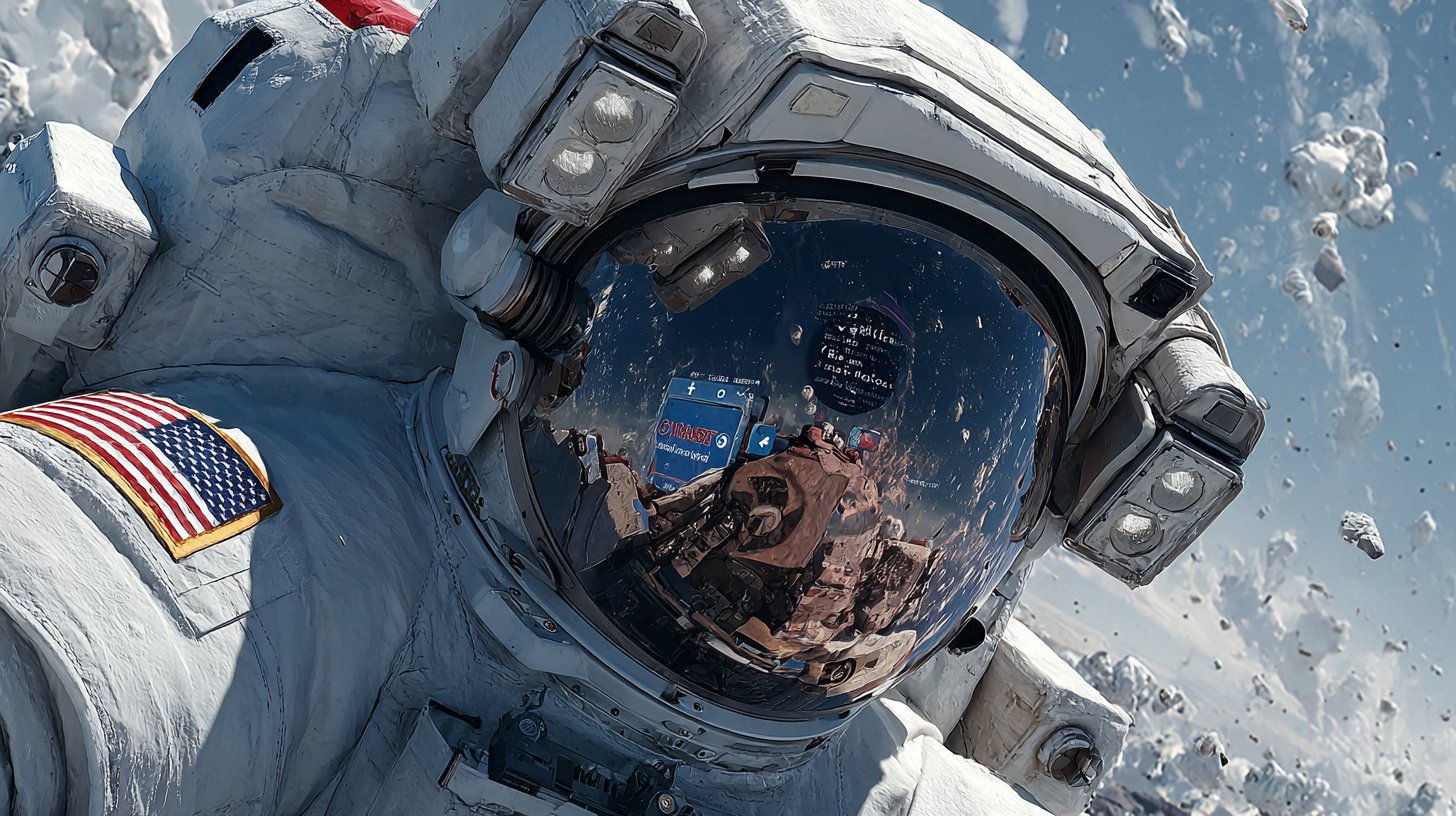
Astronomy Through the Lens of Social Media
Social media offers a platform that has revolutionized the learning and dissemination of astronomical knowledge. Through hashtags like #Astronomy or #SpaceExploration, interested individuals can quickly and easily find the latest information and exchange ideas with others. This form of interaction not only fosters the exchange of knowledge but also motivates people to want to learn more about astronomy themselves. People share their own observations, experiences, and impressions, creating a lively community that continuously grows.
An example of this is the popularity of astrophotography on Instagram, where users showcase their best shots of celestial bodies and events such as lunar eclipses or meteorological phenomena. These images are often of impressive beauty and awaken amazement in viewers. Thanks to social media, the boundaries between science and art have become fluid. Many amateur astronomers inspire others with their images to engage with astronomy.
The Impact on Our Communication
Astronomy also influences how we convey information to others. Instead of listing dry facts, many content creators employ creative approaches to share knowledge. Humor, emotional stories, or interactive content – these elements are often part of effective communication. It becomes clear that understanding astronomy requires not only dealing with numbers and data but also the ability to present this information vividly and excitingly.
The result? A whole new way of communication that makes learning more enjoyable and accessible. You can discuss astronomical events with friends or follow exciting special events like live streams of important celestial occurrences. Pages like NASA or other research institutions have jumped on this bandwagon and use social media to make their results and news accessible to a wide audience.
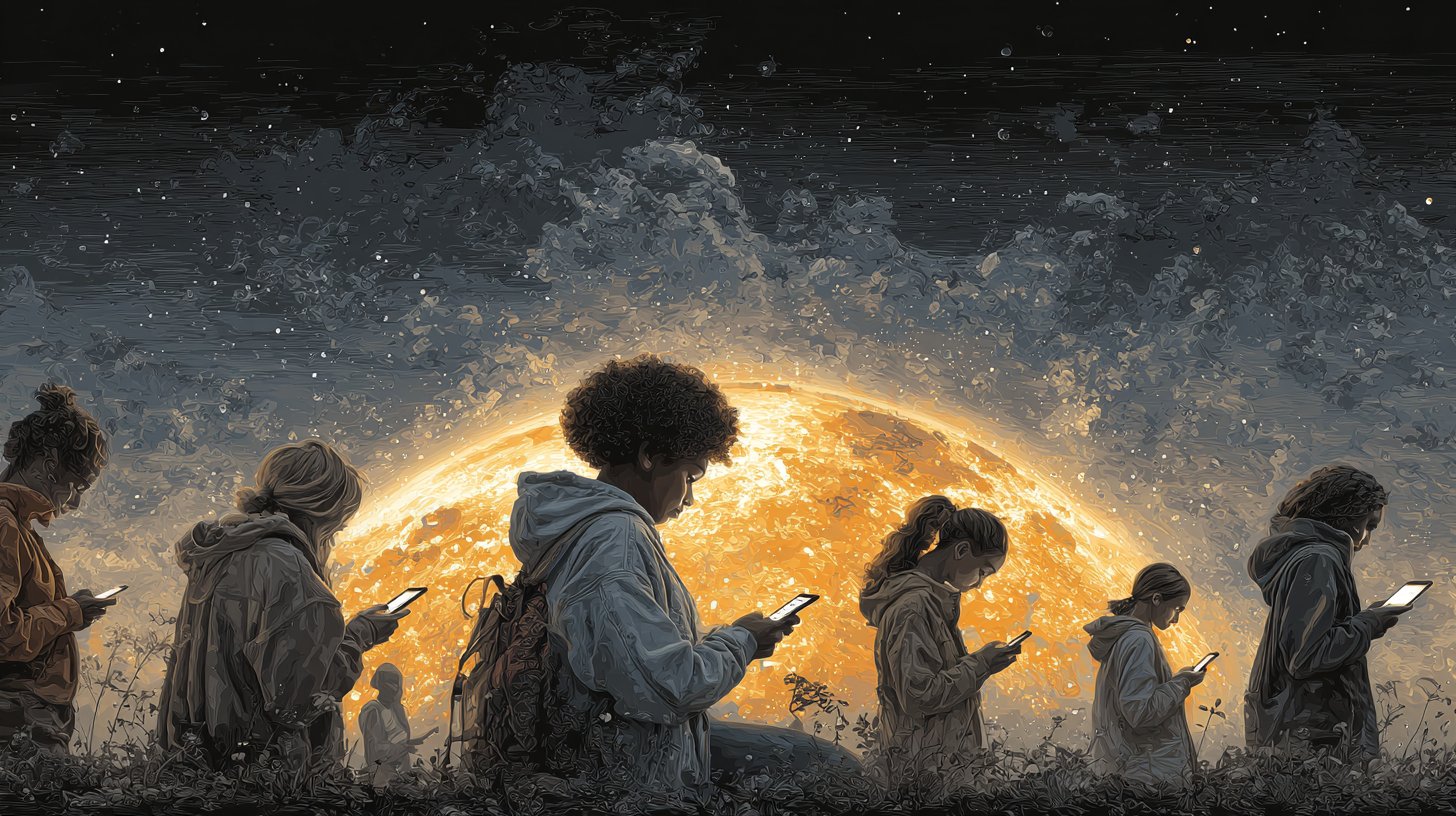
The Conclusion: A Journey into the Cosmos
Overall, it can be said that astronomy on social media creates a dynamic interface through which knowledge and fascination are shared. The exchange of ideas and experiences fosters not only personal growth but also conversation about scientific discoveries that expand our worldview. Astronomy on social media brings curiosity to life and inspires the search for answers and further explorations.
Look at it this way: Every time you look through a telescope or discover an exciting post on your feed, you open the door to a slightly different reality. The stars seem closer than ever, and the discovery of the unknown becomes a communal journey that we embark on together. Allow yourself to be swept up by this trend and become part of a digital revolution that not only changes how we communicate but also our perspective of the universe itself.