In the Footsteps of the Stars
From Ancient Alidade to Digital Astrophysics
D
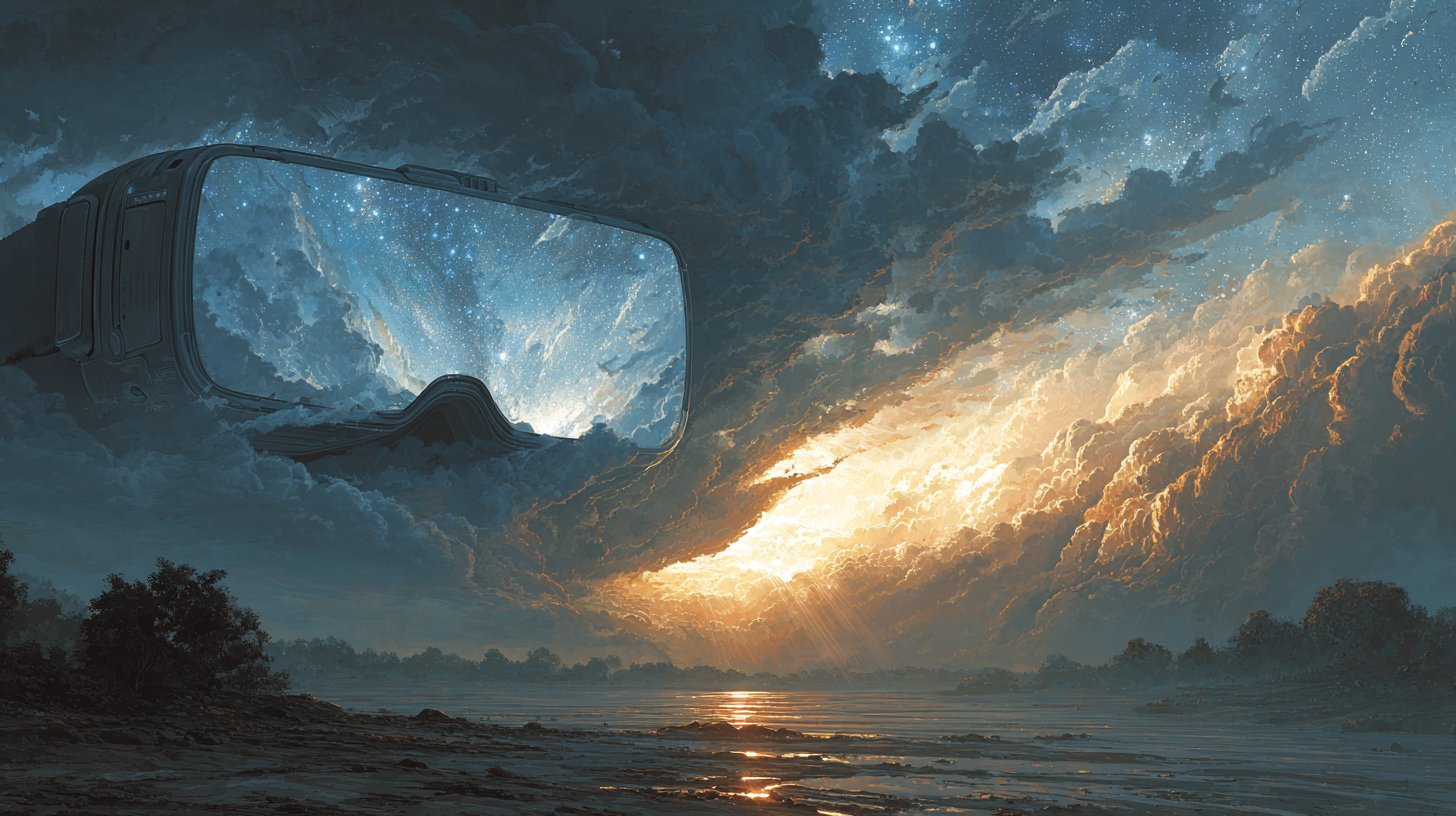
The history of astronomical instruments is a fascinating journey through time and space. It's all about discovery, innovation, and change. From the first telescopes to the highly modern digital devices of today, we show you how humanity has attempted to decipher the secrets of the universe.
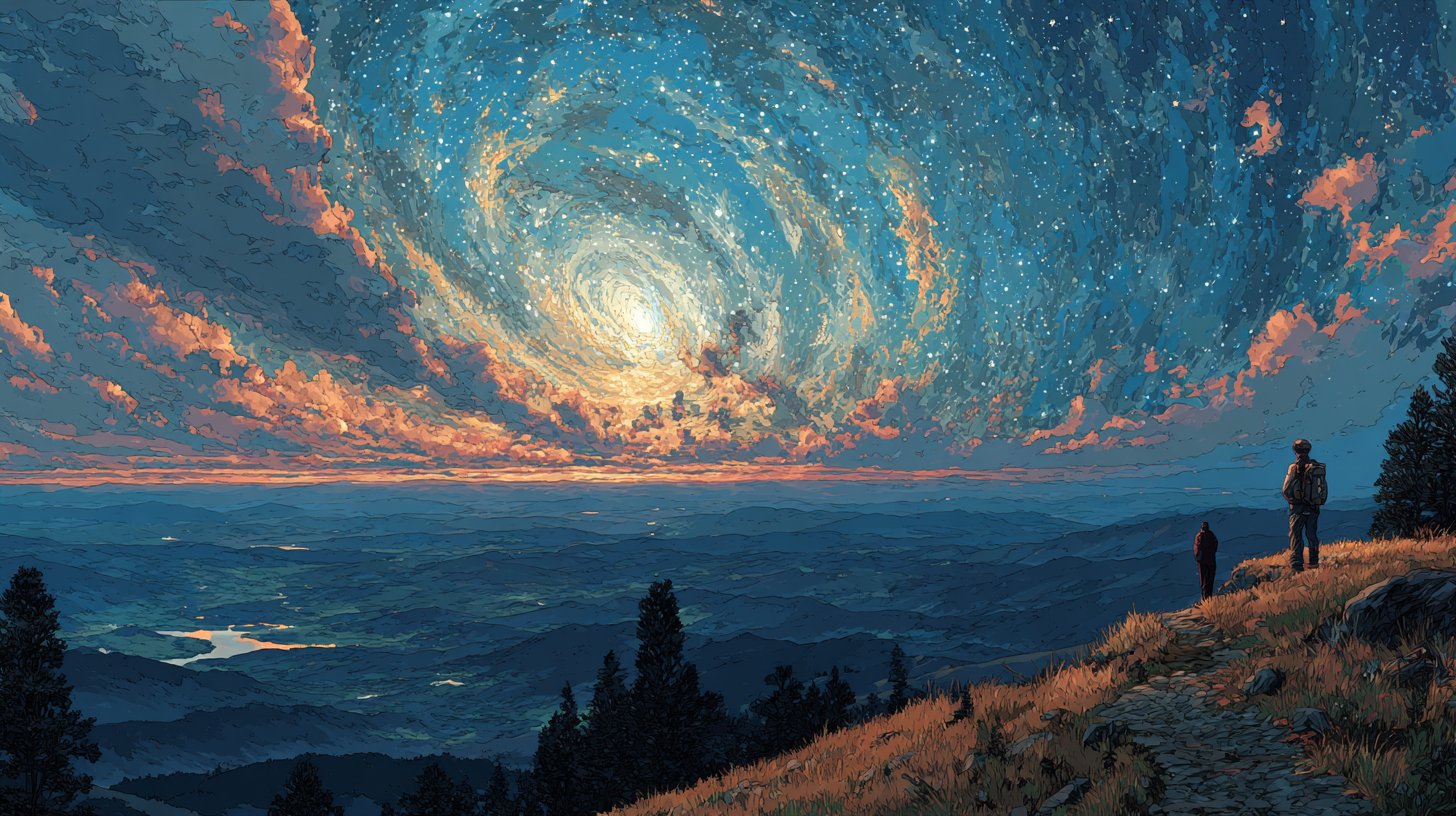
Astronomical instruments have revolutionized our view of the universe. They allow us to observe the stars, map celestial bodies, and understand the laws of physics. The development of these devices reflects the progress of human science and technology, while also raising important questions about our relationship with nature.
The Beginnings of Astronomy
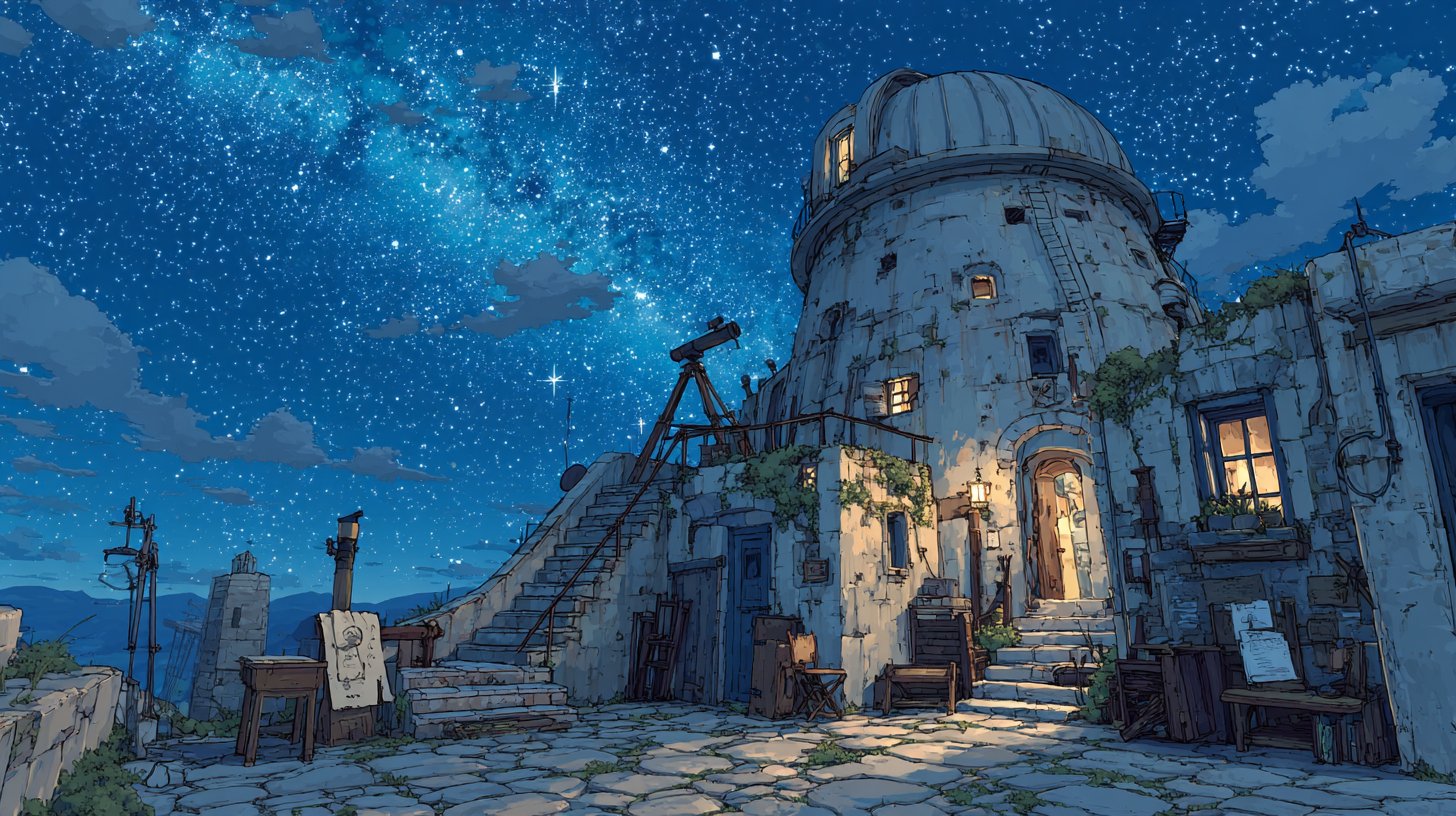
The history of astronomical instruments goes back to ancient times. Early civilizations, such as the Babylonians and Egyptians, observed the sky with the naked eye. They developed initial aids like the gnomon to determine time and seasons. The great Greek astronomer Aristarchus of Samos proposed theories as early as the 3rd century BC that placed the Earth in orbit around the Sun. However, with the development of the first telescope in the 17th century by Galileo Galilei, a new era began.
Galileo revolutionized astronomy by discovering the four largest moons of Jupiter through his telescope and confirming that Venus has phases, similar to those of the Moon. Such observations debunked the geocentric (Earth-centered) view and argued for the heliocentric (Sun-centered) model of the solar system. These discoveries were not only scientifically significant but also separated scientific knowledge from the religious dogma of that time.
The Advancement of Technology
Over the centuries, astronomical instruments became increasingly precise. In the 18th and 19th centuries, new techniques emerged, such as the manufacture of lenses and mirrors in various sizes. With the invention of the spectroscope, astronomers could analyze the chemical composition of stars and gain new insights into their structure and behavior. Additionally, the advent of photography allowed for the production of images of the night sky, which were later used for analysis.
The use of computer technology since the 20th century has enabled another leap in astronomy. Digital telescopes and satellites like the Hubble Space Telescope work with advanced sensors that can capture and analyze light from distant galaxies. This allows astronomers to gain information about light, time, and even gravity that gives us insights into the beginnings of the universe.
The Digital Revolution
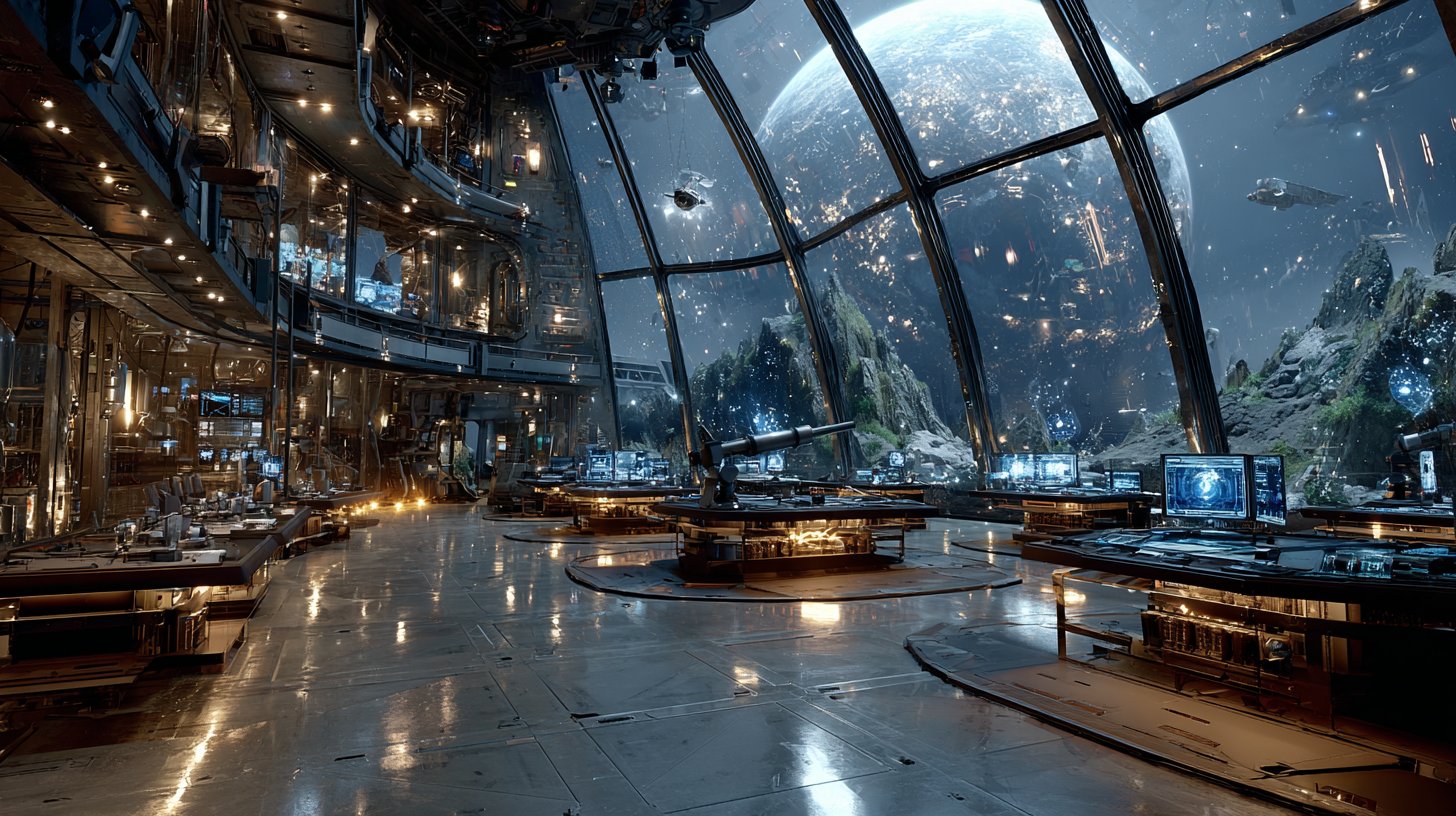
The digital revolution has changed astronomy not only in research but also made access to astronomy easier for laypeople. Smartphone apps and computer-assisted planetariums allow smartphone owners to identify stars and track celestial bodies that were previously out of their reach. Scientists also use powerful algorithms and databases to evaluate vast amounts of astronomical data collected by telescopes and satellites.
The Citizen Science project has given many people the opportunity to participate in scientific projects by analyzing sky images and reporting newly discovered asteroids or comets. Such community projects bridge the knowledge gaps between professionals and amateurs, thereby fostering a shared interest in science and astronomy.
Understanding astronomy is no longer limited to academics or professional scientists in the digital age. Today, you can easily begin your introduction to astronomy and explore the wonders of the universe yourself.
In summary, the history of astronomical instruments shows how humanity has continuously tried to understand the secrets of the universe. From the first sky observations in antiquity to highly modern digital technologies, astronomy is an ever-evolving field. It is an invitation not only to appreciate science but also to utilize the awe of the beauty and complexity of the cosmos.
Let yourself be inspired by the fascination of the stars and discover the possibilities offered by modern astronomical instruments. Whether you want to take a look through a telescope or participate in the next Citizen Science project, the journey of discovery is never-ending. You are just at the beginning – the universe is waiting for you!