Tips for Stress Management
Dealing with Overwhelm: Practical Tips
L
In today's fast-paced world, women often face numerous challenges, whether in their careers, families, or social lives. Overwhelm can lead to stress, which has consequences for well-being. At frauenzeit.de, your platform for topics that matter to women, you will find not only current articles on lifestyle and health but also valuable information on stress management. This article offers practical tips for better coping with overwhelm and shows how you can strengthen your mental health. Let's explore together how to regain your inner balance and build a healthy relationship with yourself.
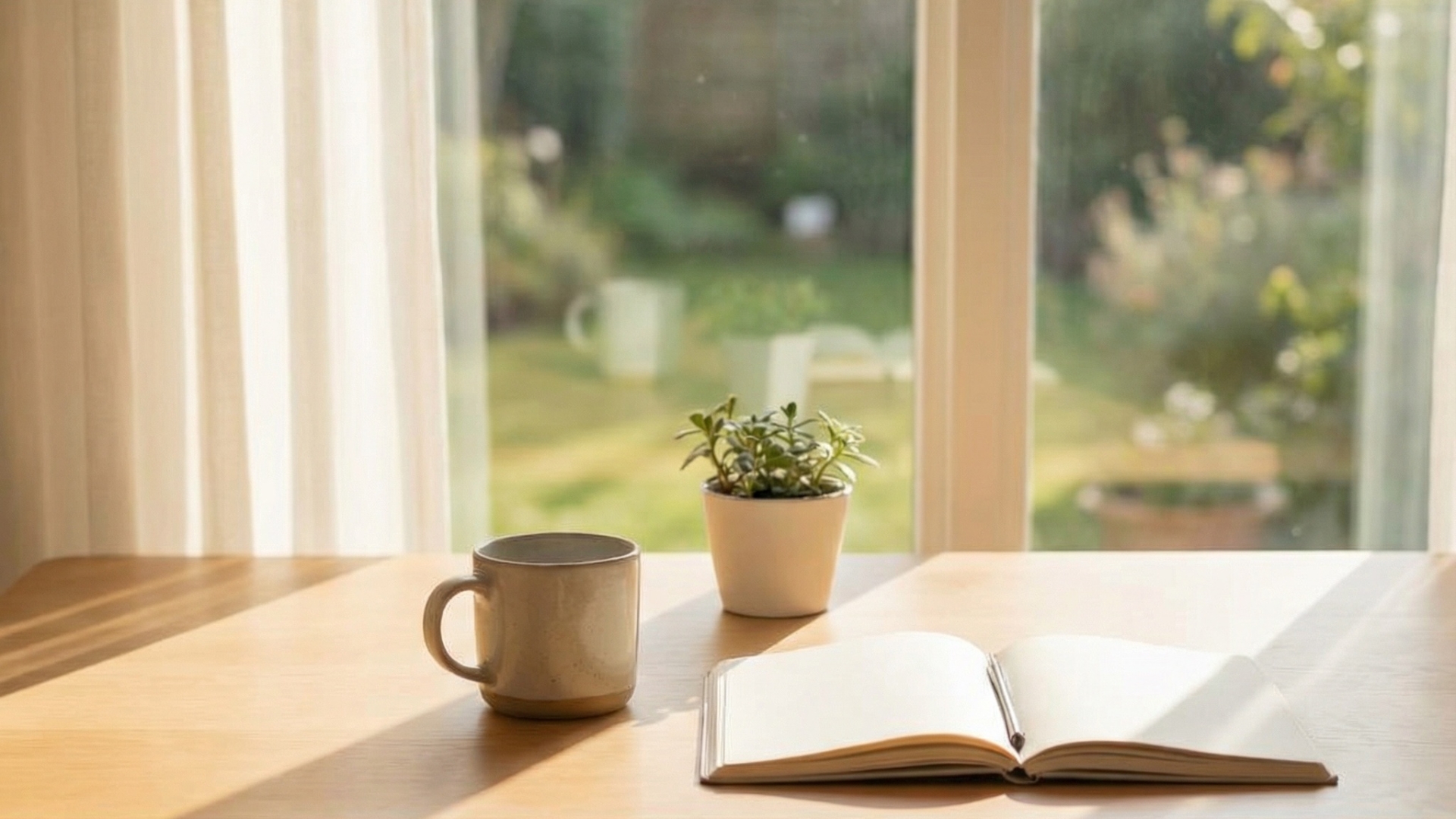
First of all, it's important to recognize your own limits. We often take on too many commitments, whether through work, family, or friends. A valuable first step in dealing with overwhelm is to delegate responsibilities. Think about where you can receive support. This could be delegating tasks at work or seeking help at home. Speak openly with those around you about your needs and set clear boundaries. Prioritize and learn to say 'no' when you feel overwhelmed. This is an important skill to protect your mental health.
Establish Mindfulness in Daily Life
An effective way to cope with stress is to practice mindfulness. You can incorporate mindfulness into your daily life by taking conscious time for yourself. This can be achieved through short meditations where you focus on your breath and let your thoughts calm down. Even small rituals, such as a walk in nature or enjoying a cup of tea without distractions, can help clear your mind. Incorporating regular mindfulness breaks into your day can help reduce your stress level and strengthen your self-awareness.
Additionally, it is helpful to foster a positive attitude. Surround yourself with positive people and create spaces where you feel comfortable. Try to be consciously grateful for the little things in life, whether it's a nice conversation or a moment of peace. Keeping a gratitude journal can help you focus on the positive and ensure that you remain optimistic even in challenging times. Be careful not to compare yourself too much with social media, as it often sets unrealistic standards that can lead to overwhelm.
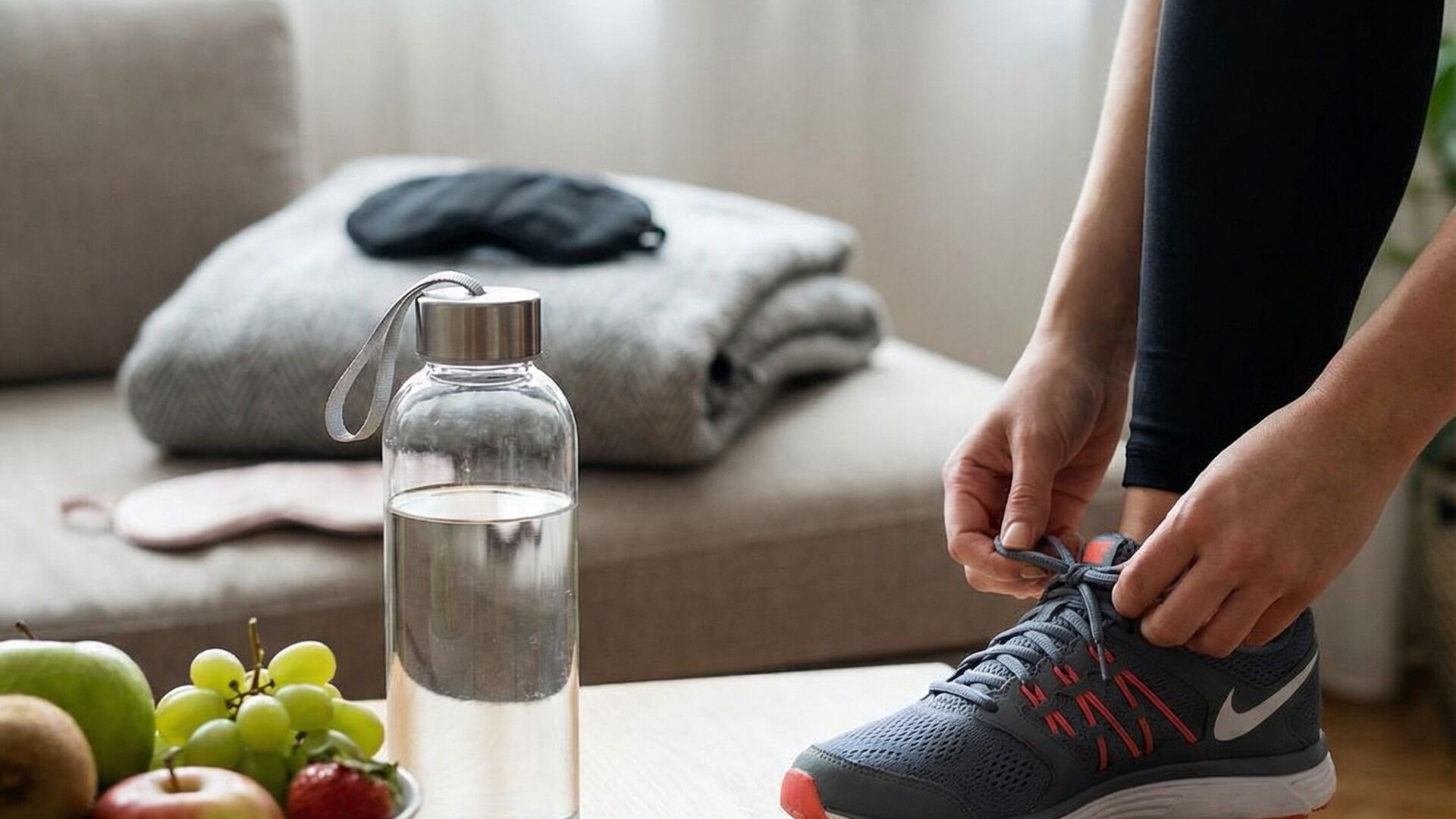
Another important aspect is sports and exercise. Regular physical activity can work wonders for your mental health. You don't have to start an extensive fitness program; even daily walks or yoga can help reduce stress. Make sure to find a sport that you enjoy, so that you can integrate it into your daily routine in the long term. Exercise not only promotes physical health but is also an effective means of reducing stress and improving your mood. Try out different activities and find out what you like best.
Take Time for Yourself
In the hustle and bustle of everyday life, we often forget to take time for ourselves. Schedule regular breaks during which you focus only on yourself. This could be reading a book, engaging in a hobby, or simply relaxing in a bath. Such breaks are crucial for refreshing your energy and maintaining a clear mind. It is important to view these moments of self-care not as a luxury, but as a necessity. Only if you take good care of yourself can you also be there for others.
Additionally, reflecting on your own feelings and thoughts is valuable. Regularly ask yourself what is weighing you down and what you can do to improve your situation. This can be done by keeping a journal where you write down your thoughts and feelings. The process of writing helps to gain clarity and reduces emotional burdens. Consider what strategies could help you cope better with challenges in everyday life. Everyone finds different methods – discover what works for you.
Finally, it is helpful to seek professional help if the stress becomes overwhelming. Psychologists and therapists can provide valuable support and help develop healthy coping mechanisms. Don't hesitate to ask for help. Talking to friends or discussing your feelings in a support group can also be relieving. It is perfectly fine not to manage everything alone all the time. External support can often be the key to getting out of a stress hole.
Conclusion and Recommendations for Action
In summary, dealing with overwhelm is a personal journey that requires individual strategies. By recognizing your limits, practicing mindfulness, and taking time for yourself, you can improve your stress management. Make sure to regularly incorporate physical activity and create a positive environment. Reflecting on your feelings and exchanging thoughts with others are also important steps in coping with overwhelm. If you still need support in tough times, don't hesitate to seek help. Every step in this direction can significantly enhance your quality of life.
Your well-being is in your hands. Take the time to try out the tips and find out which methods are most effective for you. It is important to regularly allow yourself breaks and remember that it is completely normal to feel overwhelmed at times. With the right tools and strategies, you can promote your mental health and achieve a healthy balance in your life. The more mindful and loving you are with yourself, the better you can tackle challenges.
If you need more information and support options, take a look at frauenzeit.de. There you will find many articles that can help you discover your inner strength and remain calm even in stressful times. Remember that you are not alone. Together we can develop strategies to live with less stress and make the most of our lives.