Understanding Self-Sabotage
Recognizing Typical Behavior Patterns of Self-Sabotage
L
In our modern world, where success often goes hand in hand with self-optimization, many find it difficult to understand their own behavior patterns. Especially the tendency towards self-sabotage can be a hindrance in many areas of life. At nikki.de, we want to get to the bottom of this important topic and help you recognize and question specific behaviors. Self-sabotage can take many forms: be it the repeated procrastination of important tasks or constant self-criticism that prevents us from getting the best out of ourselves. True fulfillment begins with a clear view of oneself. Understand the mechanisms behind it to overcome your inner resistance and find your individual style. Here you will find valuable impulses and suggestions for your personal growth.
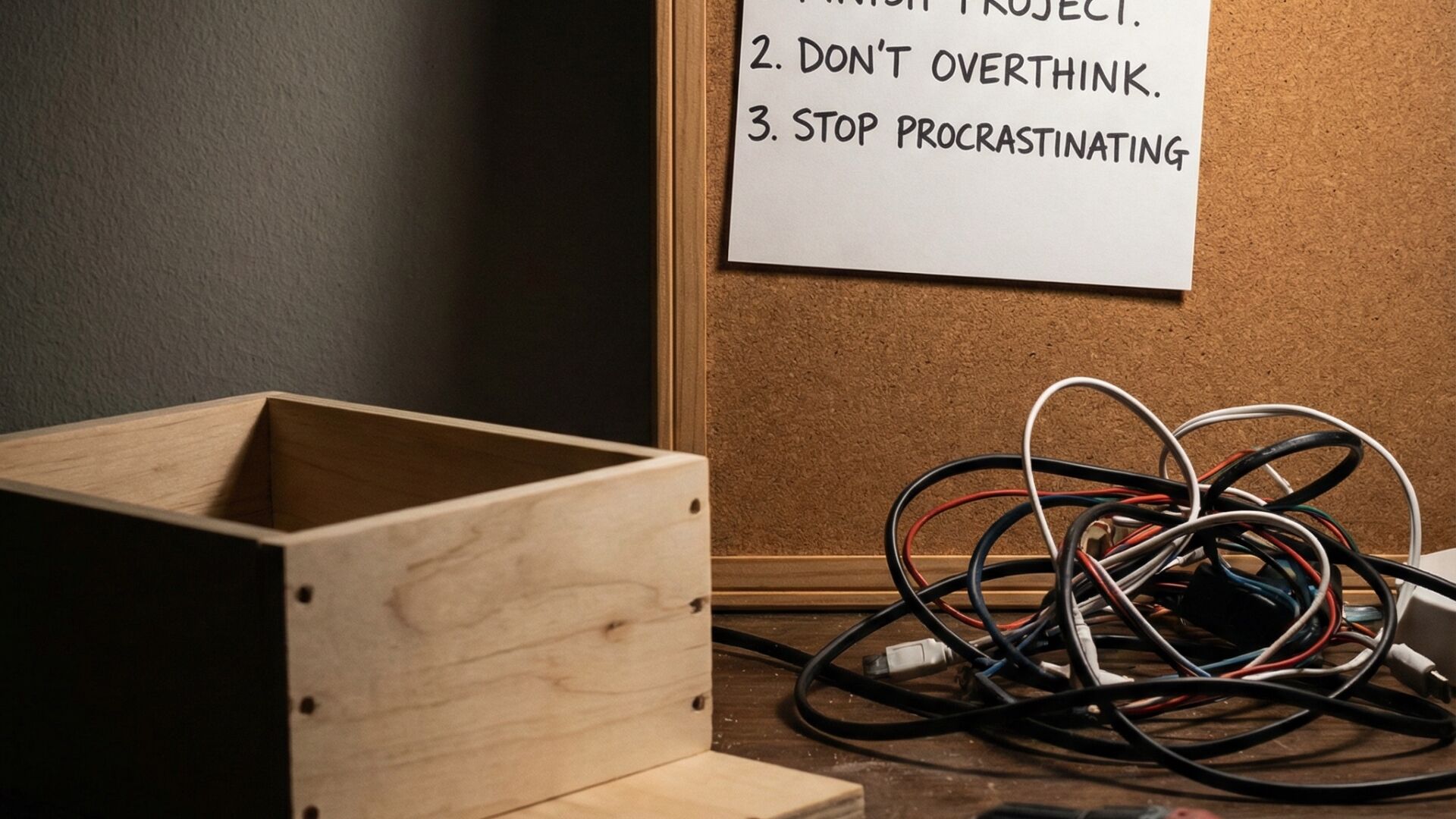
One of the most common forms of self-sabotage is the repeated postponement of tasks. You may have experienced extending deadlines repeatedly or postponing more important things for later. This can happen for many reasons, often stemming from fear of failure or the belief that you are not good enough. However, procrastination only leads to a vicious cycle: you feel stressed and less productive, which further negatively affects your self-perception. To overcome this behavior, it is important to become aware of why you procrastinate. Try to record your fears and uncertainties in a journal to gain a clearer perspective. By setting small, achievable goals, you can gradually break the cycle of self-sabotage and regain a sense of control.
Recognizing the Inner Critic
Another central aspect of self-sabotage is the inner critic, which is often much louder than the voice of self-confidence. This inner voice can indeed be a challenge, especially when you are trying to dare something new or bring about changes in your life. Instead of encouraging yourself, you may find yourself comparing yourself to others and then feeling smaller. Recognizing this is the first step towards change. Try to consciously perceive your inner critic by questioning its messages. Ask yourself: Is this message helpful or harmful? How would I speak to a friend who is having the same thoughts? This reflection can help you tame your inner voice and develop a kinder, more supportive attitude.
A practical means of dealing with your inner critic is the technique of positive affirmation. Write down three things every morning that you like about yourself or for which you are grateful. This can help improve your self-perception and break the negative patterns that promote self-sabotage. You will be surprised how such simple exercises can boost your self-esteem and transform your inner voice. Use this positive energy to face challenges that often hold you back in everyday life. The more you practice this, the less space your inner critic will take up, and you will learn to trust yourself and follow your intuition.
Moreover, it is important to address the fear of failure. Everyone has this fear, but when it becomes too strong, it often leads to self-sabotage. You may miss opportunities simply because you believe you are not good enough or fear receiving negative feedback. To confront this fear, it is helpful to view failure as part of the learning process. Engage with the idea that mistakes are not the end, but rather opportunities for growth. By being mindful of your setbacks, you can encourage yourself to take risks and explore new paths. This shift in perspective can be a great support in reducing the tendency towards self-sabotage.
Learning to Set Boundaries
Another facet of self-sabotage is the inability to set clear boundaries. If you are constantly trying to please everyone or meet others' expectations, it can be exhausting over time. Often, this leads to neglecting your own needs. Stop believing that you always have to be there for others. Learn to say 'no' when necessary, and prioritize your own goals and desires. This not only helps to change your mentality but also shows you your own worth. Take time to consider which activities and people energize you and which, conversely, drain your energy. Setting boundaries can help you preserve your energy and create space for things that are important to you.
A useful approach to recognizing your boundaries is to take time for yourself and reflect on what gives you joy and fulfillment. Write down your thoughts in a journal and note how you felt after different interactions or tasks. This creates a better awareness of what you truly value and what holds you back. It can also help to create a list of reasons why it is important to stand up for your own needs and prioritize them. Through this reflective approach, you gain more clarity about your boundaries, and your integrity remains intact, ultimately positively impacting all areas of your life.
Furthermore, it is crucial to free yourself from toxic relationships. Sometimes, it is clumsy or obstructive people in your environment who undermine your abilities and talents. You deserve to be surrounded by people who support you and recognize your true potential. Identify who benefits you and nurture those relationships. Also, setting boundaries regarding time and emotional energy in social interactions can help you understand how much you are influenced by others. Through a healthy and supportive environment, you can actively shed your self-sabotage and strengthen your inner balance.
Action Steps for Change
In summary, recognizing and understanding your typical behavior patterns is key to overcoming self-sabotage. You need to take the time to question the reasons behind your behavior and make conscious decisions about how you want to act in the future. Overcoming self-sabotage is a process that can be achieved through reflection, positive affirmation, and setting healthy boundaries. It is completely normal to experience setbacks, but the path to self-improvement can only be reached through recognition and learning from these experiences.
Visualize where you want to be in a year. Write down concrete goals and challenge yourself to take a step in the right direction. Create routines that positively influence your self-perception and habits. You will find that over time, with support and mindfulness towards your inner dialogue, you can work consciously on your self-perception. Moreover, you should also give yourself recognition for small progress. Changes are often so gradual that it is easy to lose track; therefore, pay attention to how far you have come.
Ultimately, self-sabotage begins in our own minds. It is up to us to change this inner dialogue and trust ourselves more. You have the ability to encourage yourself and become the best ally in your life. Just look at the path ahead of you and ignore the fearful voices of self-sabotage. You are the creator of your own reality, and every step you take brings you closer to your goal. Allow yourself to live the life you deserve, and do not forget that every day is a new opportunity to tap into your power and be authentic.