Loss and Relationships
Grief Changes Relationships and Personal Growth
M
Grief is one of the most challenging emotions that everyone can experience in the course of their life. It is often connected with the loss of loved ones, whether through death, separation, or other circumstances. In this deep emotional phase, grief can be not only heavily burdensome, but it also has the potential to significantly influence our personal development. On harmony.de, a portal dedicated to understanding relationships and inner development, we want to explore how loss and grief can reshape relationships. These topics are not only important for our own experiences but also for the way we interact with our loved ones. Let us outline together how grief can help us experience love and closeness more effectively.
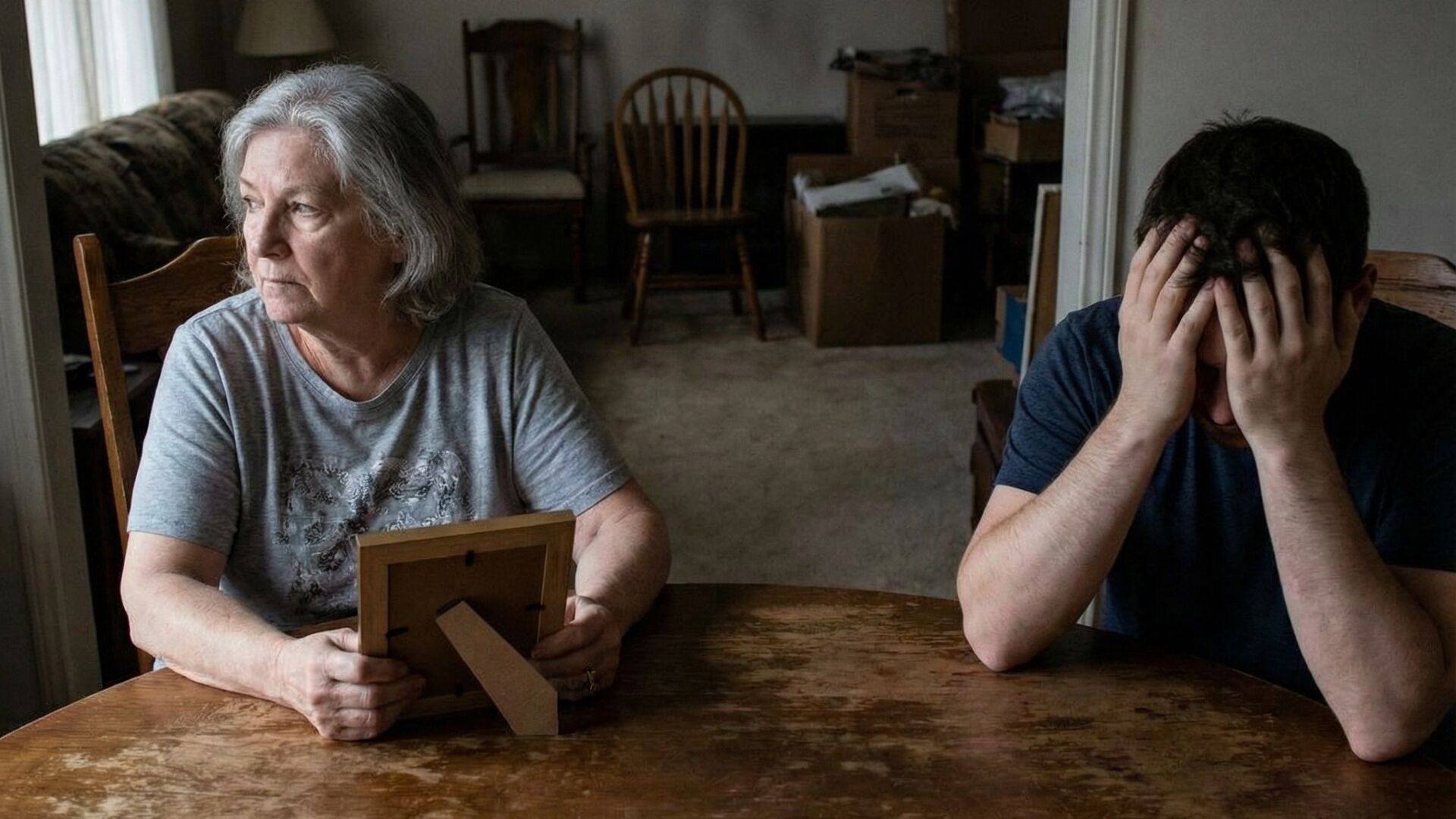
The initial phases of grief can often be marked by intense feelings that overwhelm us. Grief does not always manifest solely as sadness; sometimes it includes anger, guilt, or fear that accompany us. These emotions influence how we shape our relationships. For example, we might withdraw from our friends in these moments or, on the contrary, seek them much more intensely. These interactions between grief and social interaction are crucial to finding new paths in relationships. Often, it reveals that people take more care of their connections after a loss, as the transience of relationships and the need for support become painfully evident. Just as grief affects our emotional connections, it can also lead to a deep engagement with ourselves. When we experience grief, an inner process begins that forces us to question our lives, priorities, and relationships. Often, this leads to a newfound appreciation for the people around us. We may recognize that our heart has a capacity greater than we thought and that we are capable of getting closer to our loved ones in a deeper, more authentic way. This can lead to stronger emotional bonds and relationships based on compassion and understanding.
Experiencing Grief Together
Experiencing grief together can be an incredibly powerful experience that brings people closer. When we share the pain of a loss, we recognize that we are not alone and that others are going through similar feelings. This fosters a sense of connection and empathy among those affected, often deepening relationships. By sharing memories, grief, and even laughter during difficult times, a new dynamic arises in the relationship, grounded in honesty and vulnerable communication. It can even lead to the creation of traditions where families or friends come together to celebrate and honor the life of the deceased.
In these moments, sharing grief can also have a therapeutic effect. It is important to create a space where all feelings are allowed to emerge. This requires being open enough to show one’s own emotions while also ensuring that the feelings of others are respected. Learning how to communicate about loss, grief, and the emotions that accompany them is a valuable skill. It can be helpful to rely on protected conversation opportunities or to seek professional help. This way, tension and misunderstandings in the relationship can be avoided.
Strengthening Emotional Resilience
Grief has the potential to foster emotional resilience. As we move through the different phases of the grief process, we develop skills in handling difficult emotions and challenges. These life skills are valuable in every relationship, whether romantic partnerships or friendships. By accepting grief and not passing it on to our partners, we can learn to show empathy and understand the needs of the other person. Thus, a loss can not only challenge the existing relationship but also strengthen and enrich it.
The realization that grief is part of life can lead us to have deeper and more sensitive relationships. Loss can open our eyes to the importance of communication, support, and compassion in our relationships. You may find that your own needs for closeness and understanding are more pronounced after a loss and that you are more open to the emotions of those around you. Such learning not only brings us closer to different perspectives but also strengthens trust in relational dynamics.
Moreover, grief can teach us how important it is to set personal boundaries. Especially during the grieving phase, it can be easy to overwhelm ourselves or expect too much from ourselves. Compassionate relationships require us to care for ourselves as well. Be mindful not to neglect your own needs while trying to help others. By focusing on your own health, you can be better available for others and develop a fulfilling, harmonious relationship.
Conclusion: Growth from Loss
Engaging with grief and loss often holds unexpected potential for personal growth and deeper connections. It is important to allow and experience grief while simultaneously treating our emotions with respect. Through transparent communication and sharing our feelings, relationships can be strengthened and reshaped. Remember that you are not alone and that everyone experiences their grief in different ways. Sharing experiences and being open to help can pave the way for healing.
Growth can emerge from the darkest phases of life when we are willing to accept and share our emotions. Grief has the power to remind us of what is truly important and to help us create loving and authentic relationships. Use the time of grief as an opportunity to reevaluate your relationships, heal old wounds, and forge new bonds.
Finally, I invite you to actively participate in your emotional journey. Take small steps to foster compassion, understanding, and closeness in your relationships. Let the experience of grief change you, not as an obstacle, but as a doorway to a new depth of connection with yourself and the people in your life. Ultimately, grief can serve as a catalyst for a more consistent, loving, and happy relationship.