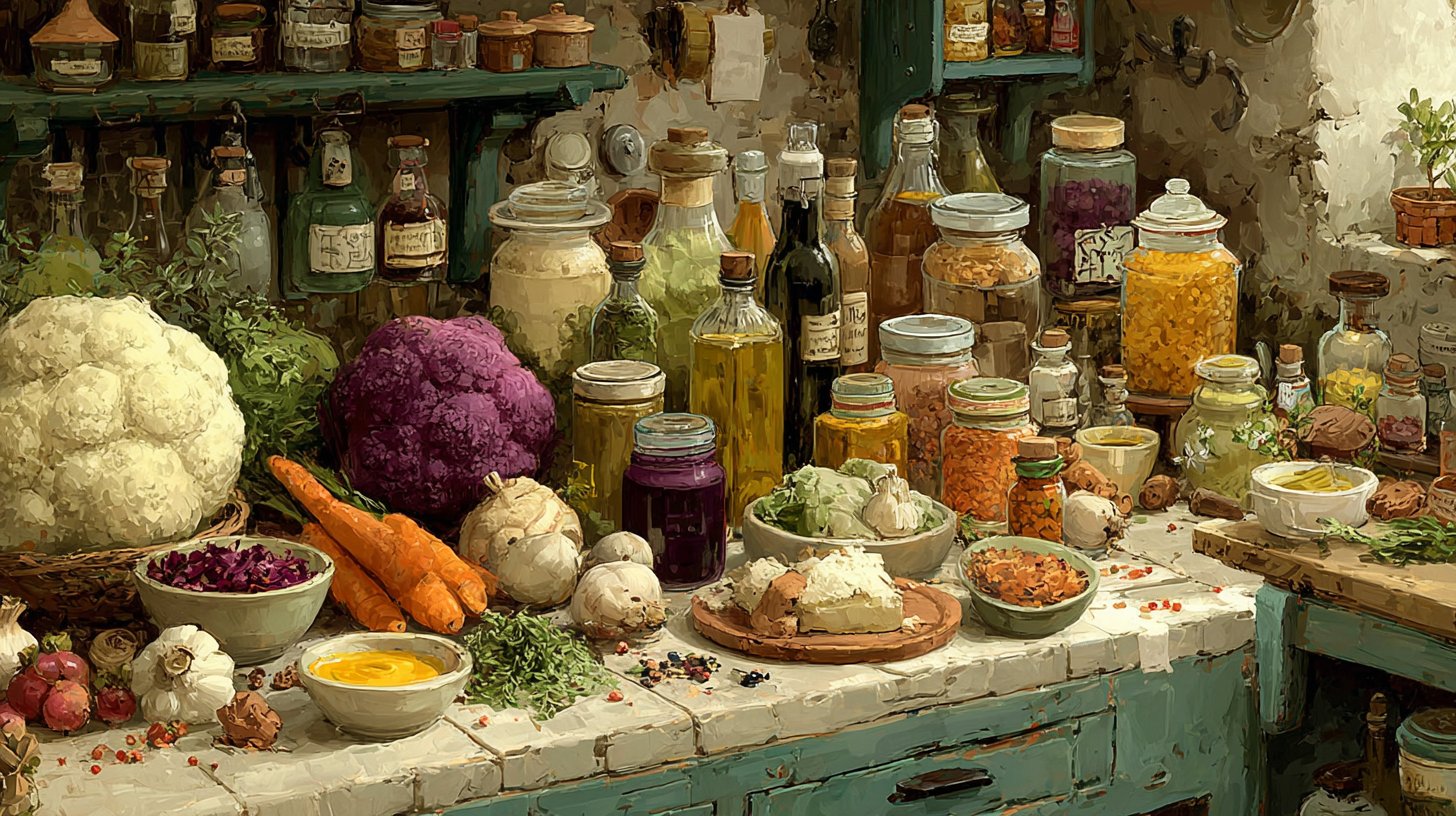
Food for Body and Earth
This is how the world tastes – enjoy locally and seasonally
E
Seasonal food, local nutrition, and health are closely interconnected. In a world where we often consume forgotten foods and products that have traveled far, it is time to go back to the roots. Let's explore together how seasonal food is not only beneficial for our health but also greatly helpful for our planet.
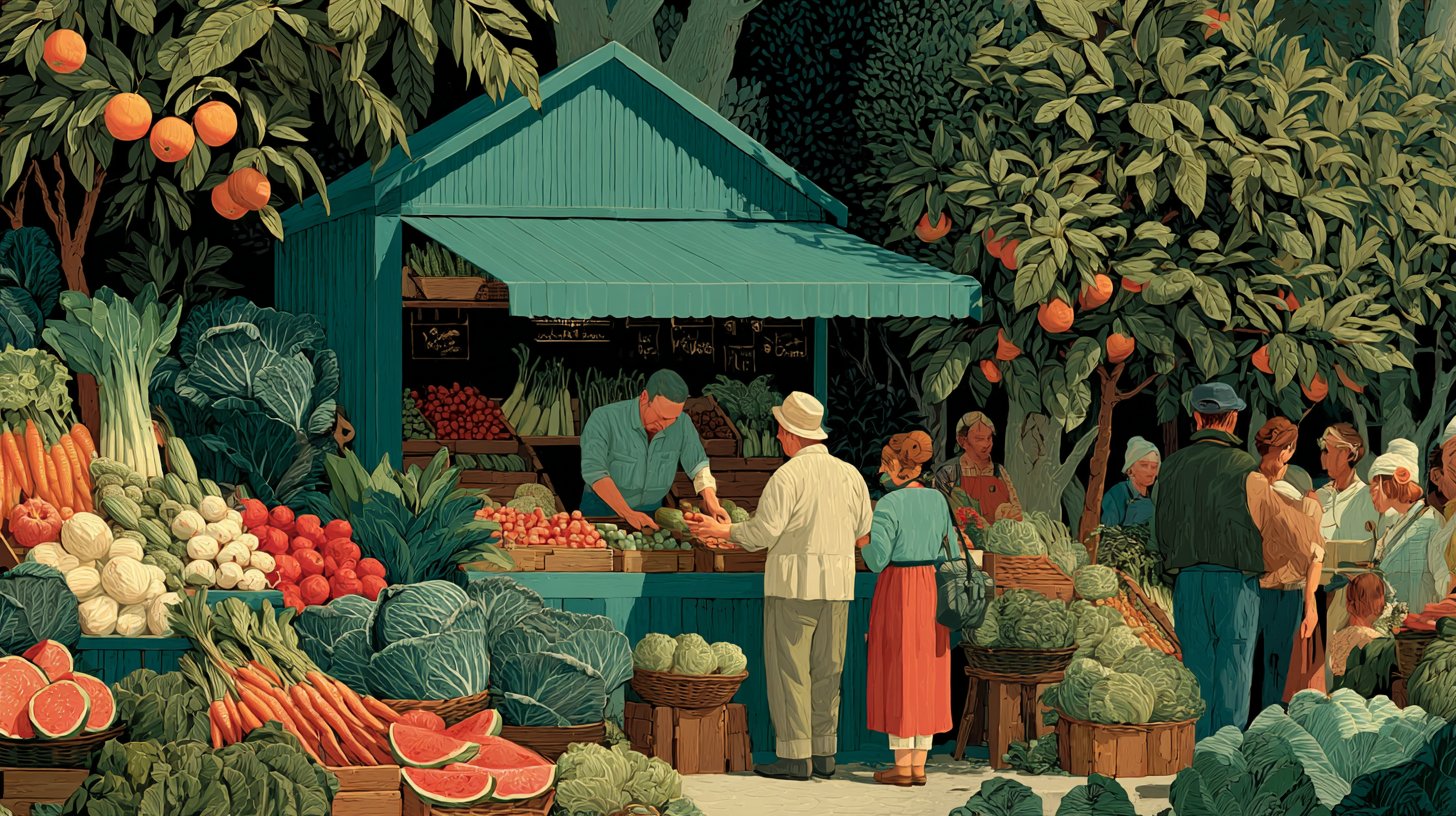
Seasonal food means consuming the foods that grow naturally at specific times of the year. This can bring many benefits – from supporting local farmers to fresher and more nutrient-rich food. Often, food that has traveled long distances is not only logistically expensive but also loses a lot of flavor and nutrients. So when you eat regionally and seasonally, you are doing good not only for your body but also for the environment.

The health benefits
One of the best arguments for seasonal food is the health benefits it provides. Seasonal foods are generally fresher, unprocessed, and contain fewer chemicals. Think of juicy strawberries in summer or crisp apples in autumn. These foods offer a wealth of vitamins and minerals that are perfectly aligned with your body's needs throughout each season. In winter, you may need more vitamin C to strengthen your immune system, while in summer, the hydrating properties of watermelons and cucumbers are in demand.
Moreover, enjoying seasonal foods promotes a varied diet. By focusing on what is currently available, you are compelled to try new recipes and discover different preparation methods. This can not only delight your palate but also expand your cooking skills. Additionally, it fosters a mindful connection to our food – you know where it comes from and how it was produced.
Environmental protection through local nutrition
Choosing seasonal and local food not only supports your health but also our planet. The transportation of food over long distances causes high CO2 emissions and excessive energy expenditure. When you eat seasonally and locally, you actively contribute to the reduction of this ecological footprint. Furthermore, you support the local economy and help sustain small businesses.
Local farmers often operate more sustainably. Many of them use environmentally friendly farming methods that protect the soil and promote biodiversity. By shopping in season and locally, you contribute to a system that prioritizes healthy plants and animals, thereby maintaining balance in nature. So when you walk through the supermarket, check out the local products – you will be amazed at what the season has to offer.
Creativity in the kitchen
Another advantage of seasonal eating is the creativity it sparks in the kitchen. Instead of regularly using the same ingredients, you are constantly challenged to try new flavors and combinations. Perhaps you discover a talent for baking pumpkin bread in autumn or try a fresh salad with arugula and goat cheese in spring. This variety not only makes cooking more exciting but can also enhance the joy of eating.
Additionally, seasonal cooking is often simpler, as the products are readily available at the right time. You don’t have to search long or spend a lot of money to find the best ingredients. This also means you can spend less on food – another plus for your wallet.
In summary, seasonal and local eating is much more than just a trend. It is an invitation to live healthier, protect the planet, and discover creative possibilities in everyday cooking.
Ultimately, focusing on seasonal eating also means being more mindful with our food. Let’s find out what delicacies the season brings and how we can use them creatively. This way, we strengthen not only our own health but also actively contribute to a healthier earth. Remember: every time you choose a local and seasonal product, you are making a small but important contribution. So let’s commit to so many delicious, healthy, and environmentally friendly opportunities together!