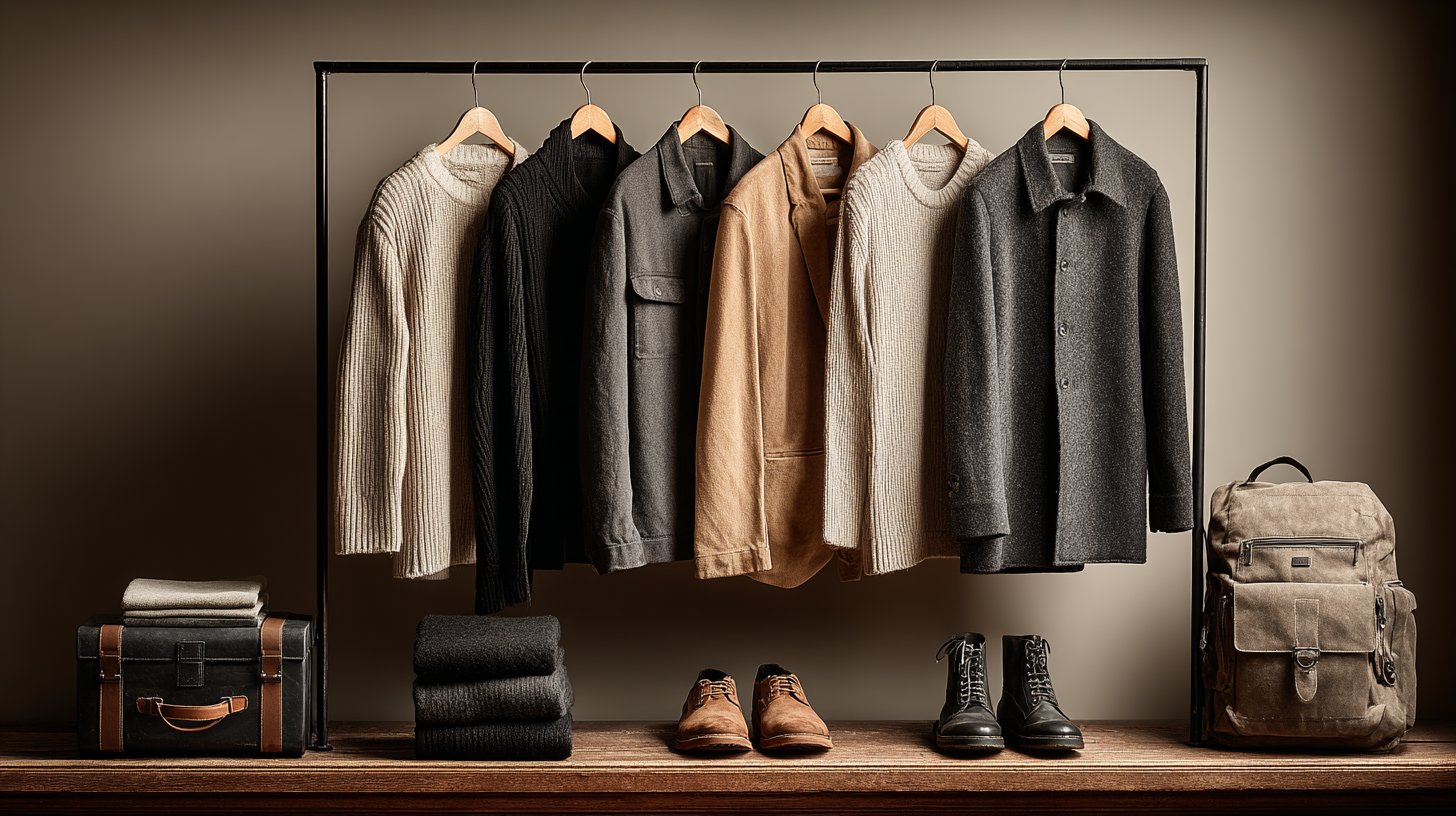
Fashion with Sense
Slow Fashion: Sustainability Instead of Consumption Frenzy
M
Slow fashion, sustainability, and conscious consumption are three terms that are becoming increasingly important in today's fast-paced world. More and more people are realizing that their purchasing decisions can influence not only their own style but also the environment. In this article, you will learn why less is often more and how you can make long-term investments in your wardrobe.

Awareness of fashion and its impact on the environment has significantly increased in recent years. Many suffer from the constant availability of fast fashion, which is often not only of inferior quality but also made from non-sustainable materials. Slow fashion challenges us to question our consumption habits and make more conscious decisions. It’s about seeing clothing not just as a daily object but as an expression of our identity and values. When we choose slow fashion, we invest not only in sustainable materials but also support local businesses and artisans. This contributes to a fairer and more eco-friendly fashion industry.
The Benefits of Slow Fashion
Slow fashion offers a variety of benefits that go beyond the simple purchase of clothing. Firstly, slow fashion is often of higher quality and more durable. Unlike quickly produced fast fashion, slow fashion pieces are designed to withstand the test of time. You don’t have to buy new items every few months; instead, you can care for your wardrobe in the long term. Secondly, slow fashion promotes individuality. Instead of getting lost in the sea of similarly styled fast fashion looks, you can develop your personal style. Thirdly, sustainable fashion allows you to shop with a clear conscience. You support brands that ensure ethical production conditions and use eco-friendly materials.
How to Transition Your Wardrobe
Transitioning to slow fashion doesn't have to be overwhelming. You can start by purchasing more consciously. Think before each purchase whether the item truly fits into your wardrobe or if it’s just a fleeting impulse. You can also look for brands that prioritize sustainability. Pay attention to materials like organic cotton, recycled fabrics, and craftsmanship. Another option is to explore second-hand clothing and swapping events. This way, you can not only save money but also find unique pieces that no one else has. Additionally, it’s important to appreciate and care for your existing clothes. Repair what is damaged instead of replacing it immediately. This extends the life of your clothing and reduces waste.
Investment in Timeless Pieces
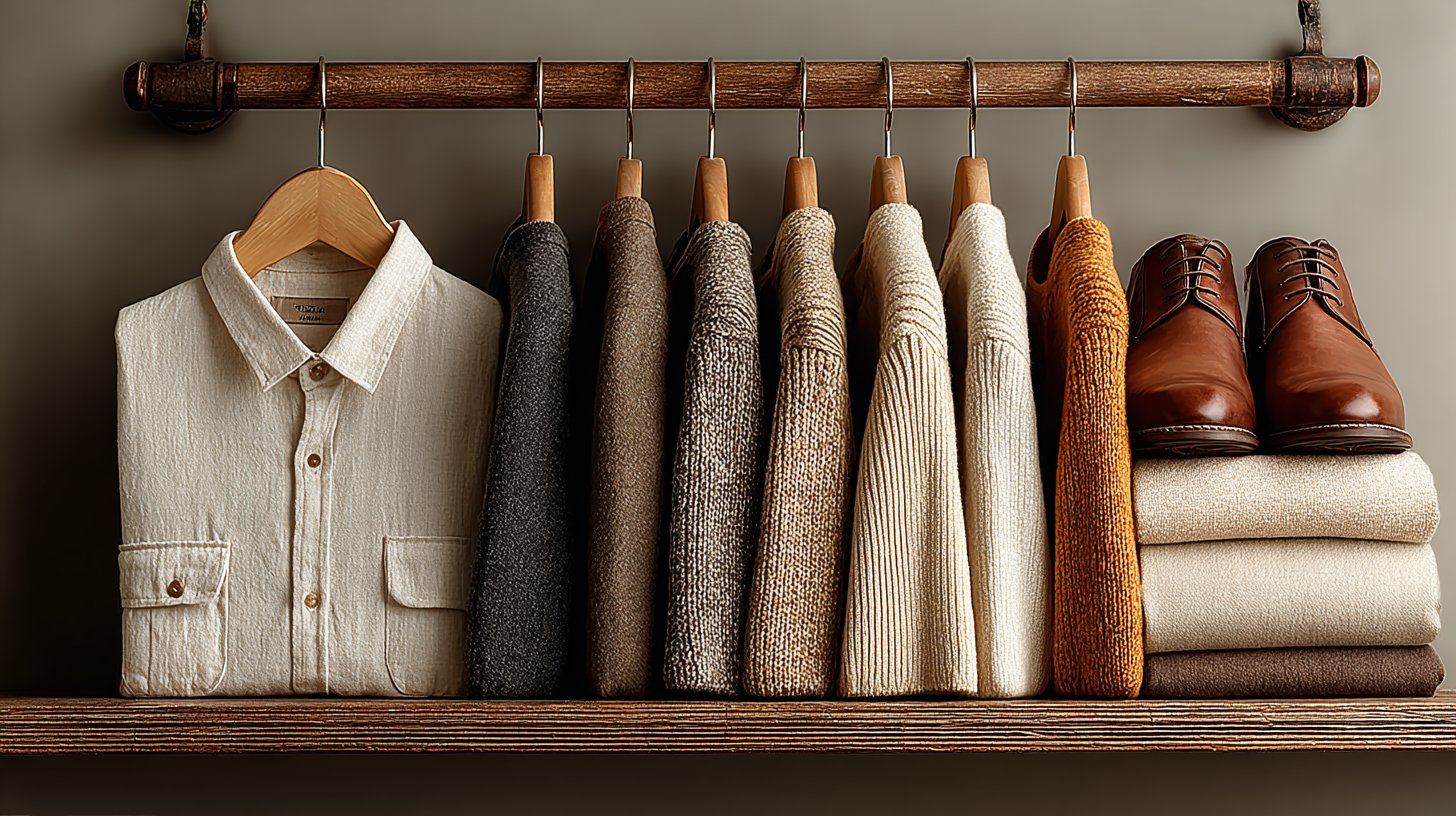
Investing in timeless, quality clothing is a cornerstone of slow fashion. Instead of chasing every trend that quickly fades, you should invest in pieces that can be combined in multiple ways and always remain current. Classics like a well-fitting blazer, elegant shoes, or high-quality jeans are timeless and should not be missing from any wardrobe. These garments are the foundation of your wardrobe and can be mixed and matched repeatedly. When you think long-term, you'll notice that you buy less while making more fulfilling purchasing decisions. Ultimately, it’s about owning less but making more out of what you have.
In summary, slow fashion is not just a reaction to excessive consumption of fast fashion but also an opportunity to rethink our own lifestyle and make more eco-friendly choices. By consuming more consciously and investing in high-quality, sustainable clothing, you contribute to a positive change in the fashion industry. Slow fashion encourages us to connect a story with our clothing and develop a personal relationship with the things we wear. At the end of the day, it’s about feeling not only comfortable in your clothes but also proud of how and where they were made. Take the step toward slow fashion and experience the liberation that comes with conscious consumption.