Strategies for Coping with Stress
Psychological Methods for Stress Reduction for You
M
Stress is an inevitable part of our lives that can often lead to feelings of overwhelm. At nikki.de, where we talk to each other like friends, we want to introduce you to psychological strategies for stress reduction. Here you will learn how to better understand your inner world and manage your emotions. Our approaches will help you explore mechanisms of human behavior to achieve a balanced daily life. Discover how to combat fears, strengthen your self-esteem, and set healthy boundaries. Let’s dive deep into your coping with stress together and find practical tools to help you lead a fulfilled and happy life.
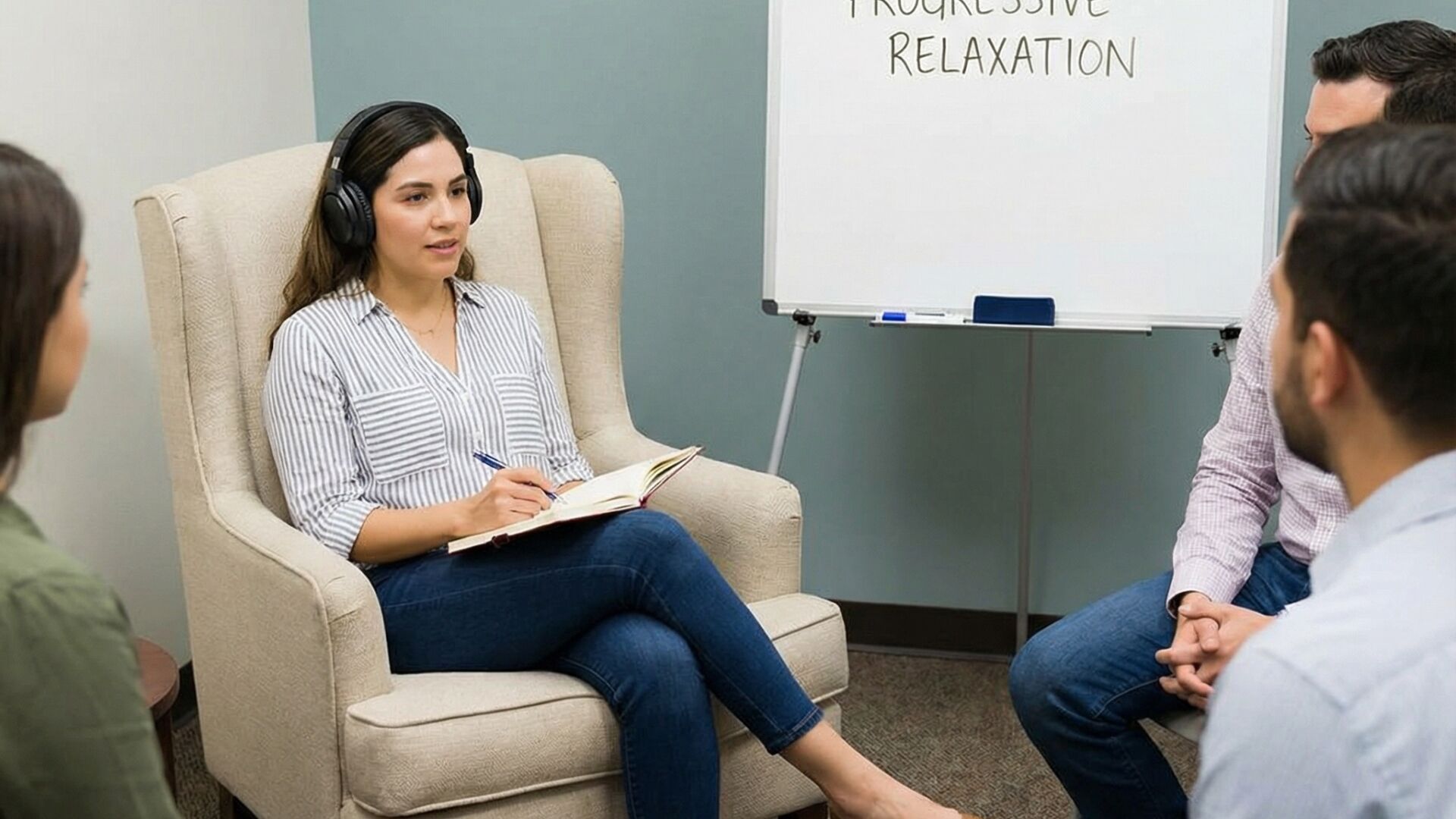
One of the fundamental strategies for coping with stress is the implementation of mindfulness in your daily life. Mindfulness means consciously noticing the present moment without judgment. You can achieve this by practicing short meditations regularly. Take five to ten minutes every day to focus on your breathing. Observe how the breath enters and exits your body. Such a ritual helps to calm thoughts and lower stress levels. Additionally, you can practice mindfulness while eating or walking by fully concentrating on sensory experiences and turning off all distractions. Another important approach is the recognition and transformation of negative thoughts. Often, we amplify our stress by focusing on what could go wrong. Keep a journal to write down your negative thoughts and question their validity. For example, you might have the thought: “I will fail at this presentation.” Instead, you could ask yourself: “What can I do to be well-prepared?” By replacing these negative thoughts with positive and realistic ones, you can significantly reduce your stress level.
Practical Tips for Mindfulness
Set small, achievable goals to practice mindfulness. Start with traditional meditations and gradually increase the duration. You could also download a mindfulness app that guides you through guided meditations. Furthermore, you can simply take walks in nature and consciously perceive your surroundings – the sounds, smells, and colors that surround you. These small moments contribute to refreshing your mind and regaining your energy.
In addition, it is helpful to build regular breaks into your day. Whether at work or studying – take a short break every 60 minutes to stretch and get some fresh air. This can help reduce acute stress and provide you with new energy. Be sure to do nothing else during these breaks but simply be in the moment and focus on your body.
Another aspect of mindfulness is keeping a gratitude journal. Write down three things you are grateful for every evening. This can help shift focus away from stressors and promote a positive mindset. You will be surprised by how much it can change your perspective.
Actively Relaxing the Body
In addition to mental techniques, it also helps to relax the body through physical activities. Sports and exercise are excellent means to reduce stress. Find a sport that you enjoy, whether it's yoga, running, or dancing. The key is to find joy in it so that you stay active regularly. Moreover, the body releases endorphins when exercising, which promote a good feeling.
Don't forget the power of relaxation techniques. Progressive muscle relaxation is a popular method where you tense and then relax different muscle groups in succession. You can do this before going to bed to help your body calm down. Breathing exercises, where you breathe deeply into your belly and exhale slowly, can also be very helpful for reducing stress.
Finally, connecting with other people can also play a significant role in coping with stress. Spend time with friends and family, and share your thoughts and feelings. By talking about your stressors, you can often develop new perspectives and reduce feelings of isolation. A social support network is essential and can help you cope with stress.
Conclusion and Outlook
In summary, there are many psychological strategies for stress reduction that you can easily integrate into your daily life. From mindfulness to transforming negative thoughts to physical activity – each method has its own benefits. The most important thing is to find a way that works for you and with which you feel comfortable. Try out different approaches and find your personal routine that helps you keep stress in check.
Remember that the journey to stress management is individual and can sometimes be challenging. Be patient with yourself and allow yourself to make mistakes. The key is to take small steps regularly rather than trying to change everything at once. Every progress counts and leads to a better quality of life.
Let’s embark on the journey of stress management together. By integrating the strategies presented into your daily life, you will regain control over your stress reactions and be able to lead a more fulfilled life. Stay strong and motivated on your path!