Understanding Cultural Differences
Cultural Studies in Relationships: A Key to Understanding
E
In an increasingly globalized world, it becomes more important to understand the cultural backgrounds of the people with whom we cultivate relationships. This is especially true for romantic partnerships, where different cultural values and traditions come into play. At Lifescout.com, a space for women seeking inspiration and knowledge about human relationships, we want to emphasize the role that cultural studies can play in partnerships. Understanding different backgrounds can not only help avoid conflicts but also promote deeper bonds and harmonious cohabitation. In this article, we illuminate how cultural differences in relationships can be recognized and respected, and what positive effects this can have on the overall dynamics.
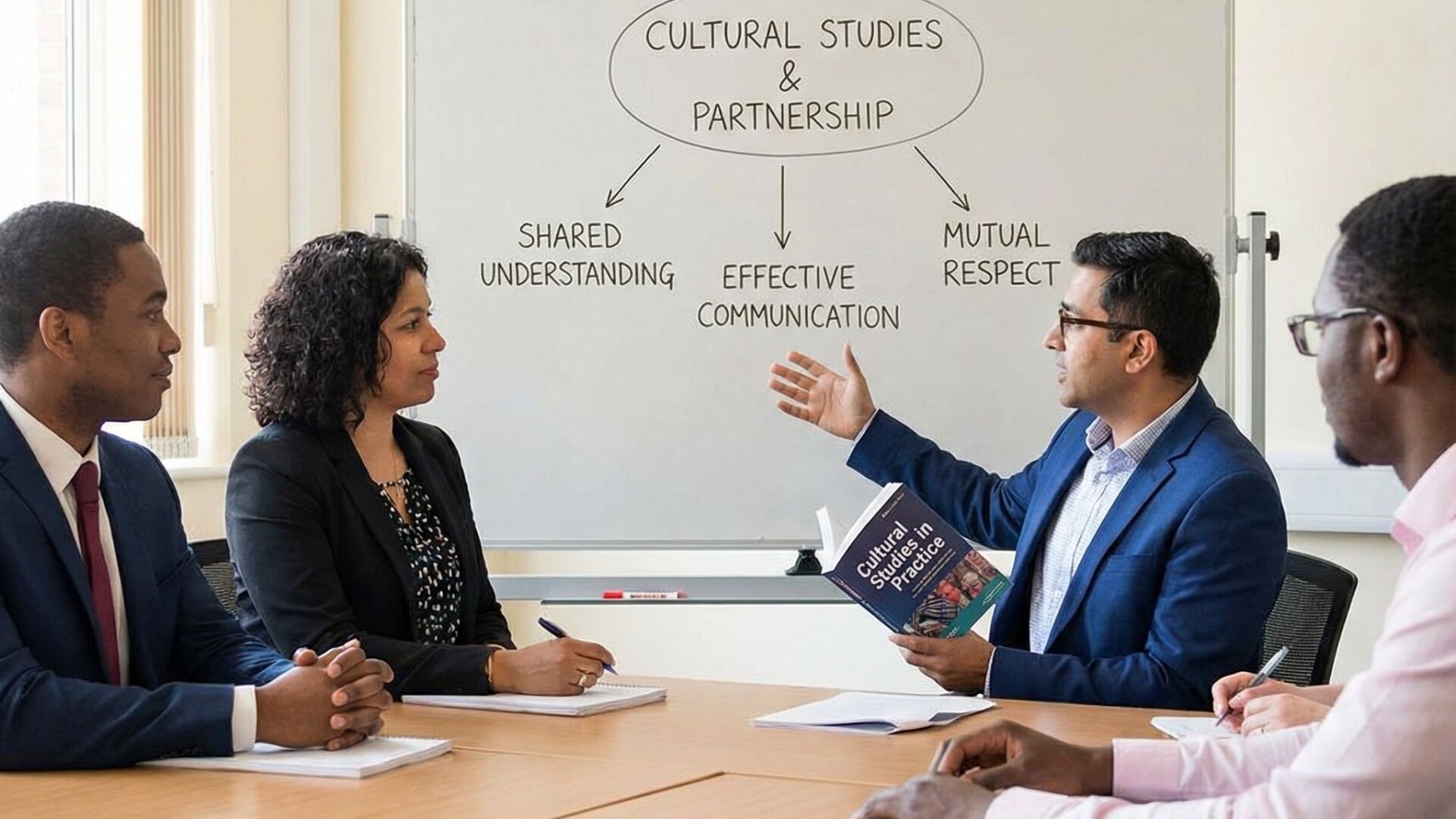
The first challenge in a relationship with cultural differences often lies in avoiding misunderstandings. When partners come from different cultural contexts, they may have different ideas about communication, intimacy, and love. An example of this is the approach to personal space. While independence is highly valued in some cultures, others place greater importance on time spent together. To bridge such differences, it is important to openly discuss one's own needs and expectations. Such a conversation creates a foundation on which trust can grow and helps both partners to understand each other better.
Conveying Values and Traditions
Another central aspect of cultural studies in relationships is the transmission of values and traditions. Each cultural environment brings its own traditions and customs, which often have a profound impact on an individual's personality and values. When couples from different cultures come together, it is essential to create space for these cultural differences and to integrate them into the relationship. Every celebration, every tradition is not only an expression of one’s own identity but also a way to introduce the partner to another world. This can foster awareness of each other's cultural backgrounds, significantly deepening mutual understanding.
Moreover, couples from different cultures can learn from each other when it comes to enriching their own relationship. They can adopt the best elements of both cultures and develop new rituals or practices specifically created for their relationship. This type of cultural integration not only promotes acceptance but also makes the partnership unique and vibrant. Couples who are willing to engage with each other's cultures can express appreciation and love in ways that are deep and meaningful.
Dealing with Conflicts
Cultural differences can also influence the way conflicts are approached in a relationship. In some cultures, the open expression of emotions is considered important, while others lean more towards restraint. A failed conflict can lead to misunderstandings if partners do not correctly interpret each other's reactions. It is therefore important to be aware of one's own cultural conditioning and what expectations one has in conflict situations. This also includes being respectful and patient while working towards conflict resolution. Partnerships that are able to navigate such challenges often develop a stronger resilience.
In this context, it is also helpful to examine cultural differences regarding problem-solving mechanisms. Some cultures place more value on collective solutions, while others prefer individual approaches. By understanding these dynamics, couples can find a compromise that is acceptable to both sides. Communication is key in ensuring that each partner is heard and in taking the right steps to address the problem.
Creating a Shared Identity
Finally, it is essential to create a shared identity that encompasses both individual and cultural aspects of both partners. This can be achieved by developing new customs together that integrate elements from both cultures. Couples who actively strive for such an identity find that they develop a deeper connection with each other. For example, celebrating holidays from both cultures can foster a sense of belonging and create a positive experience that is valuable for both partners.
Understanding cultural differences and their impact on the relationship is an ongoing process that requires attention and commitment. Couples who acknowledge and celebrate their differences will find that their relationship becomes not only more stable but also more dynamic and exciting. Ultimately, the ability to communicate and grow across cultural differences in a partnership is a valuable key to a healthy, loving, and respectful relationship.