Fashion connects cultures
Clothing as an intercultural language of communication
E
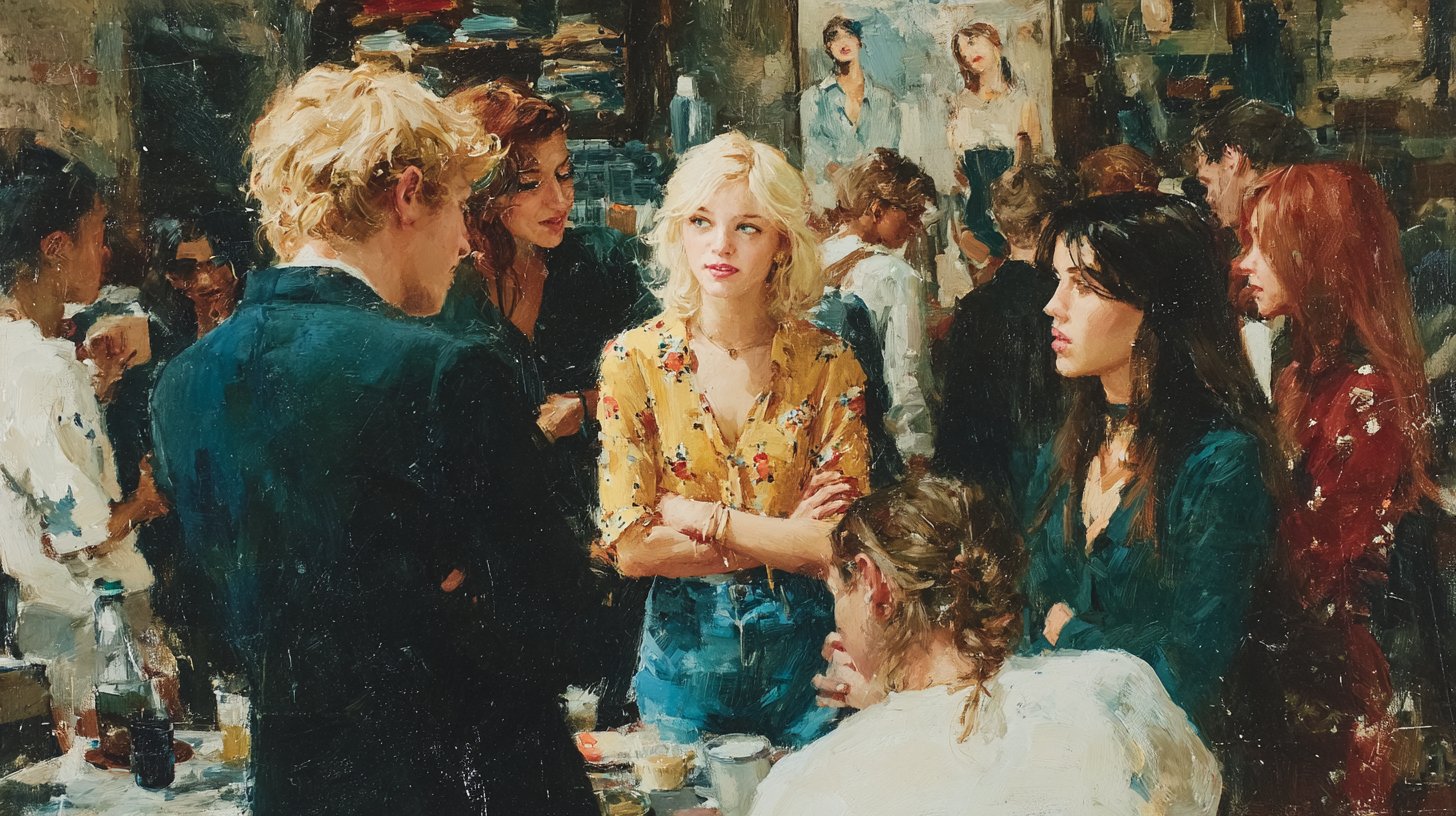
Fashion is more than just clothing. It is an expression of identity, culture, and personality. In an increasingly globalized world, fashion plays a crucial role in conveying cultural values and fostering understanding between different societies. This connection between fashion and interculturality is more important today than ever.
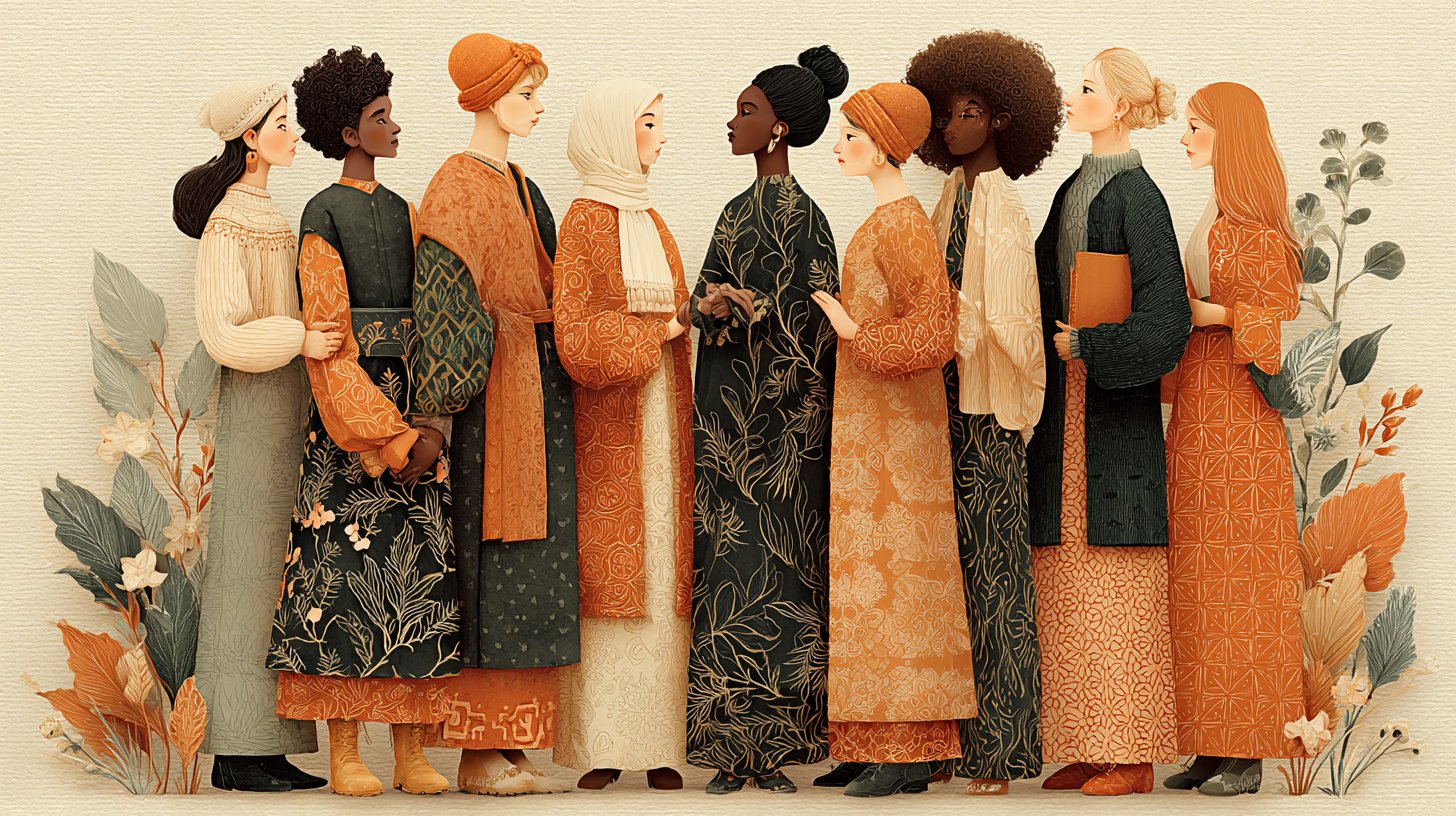
The clothes we wear tell a story. They reflect our origins, our personal stories, and also the cultures with which we identify or that we admire. While a strong connection to one's own culture is often expressed in traditional garments, wearing international fashion opens up access to other cultures and their traditions for many people. It is not only important to wear clothing from other cultures but also to understand the knowledge and stories behind these garments.
Culture and identity through fashion
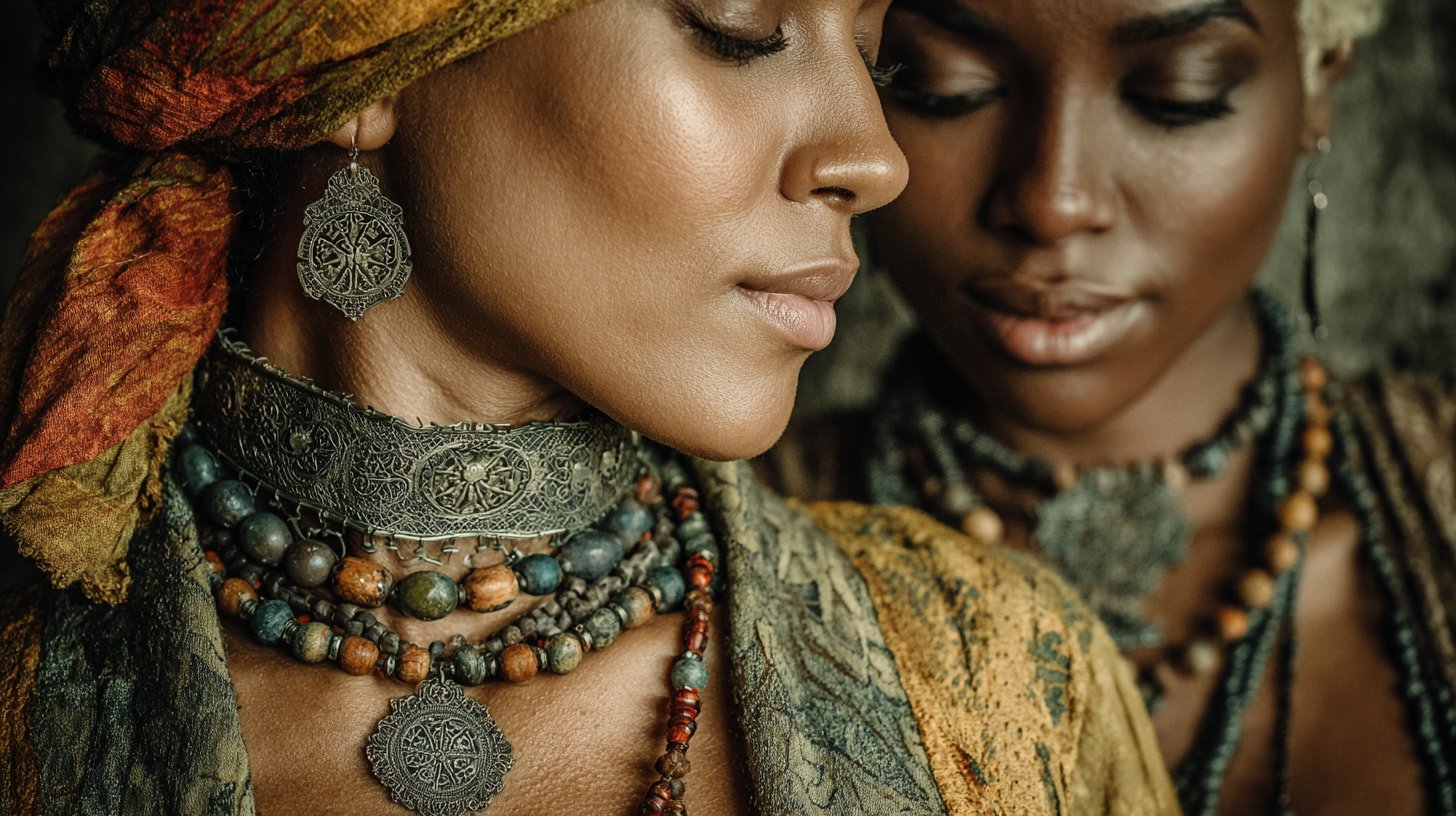
Clothing can be a strong expression of one's identity. In many cultures, dress is a central element that reflects a person's social status, community belonging, and cultural values. When looking at traditional costumes, it quickly becomes clear that they often carry a legacy of past times. For example, the colors, patterns, and materials have a deeper symbolic meaning that stands for the identity of a people. These traditional garments serve not only for protection but also for pride in one's heritage.
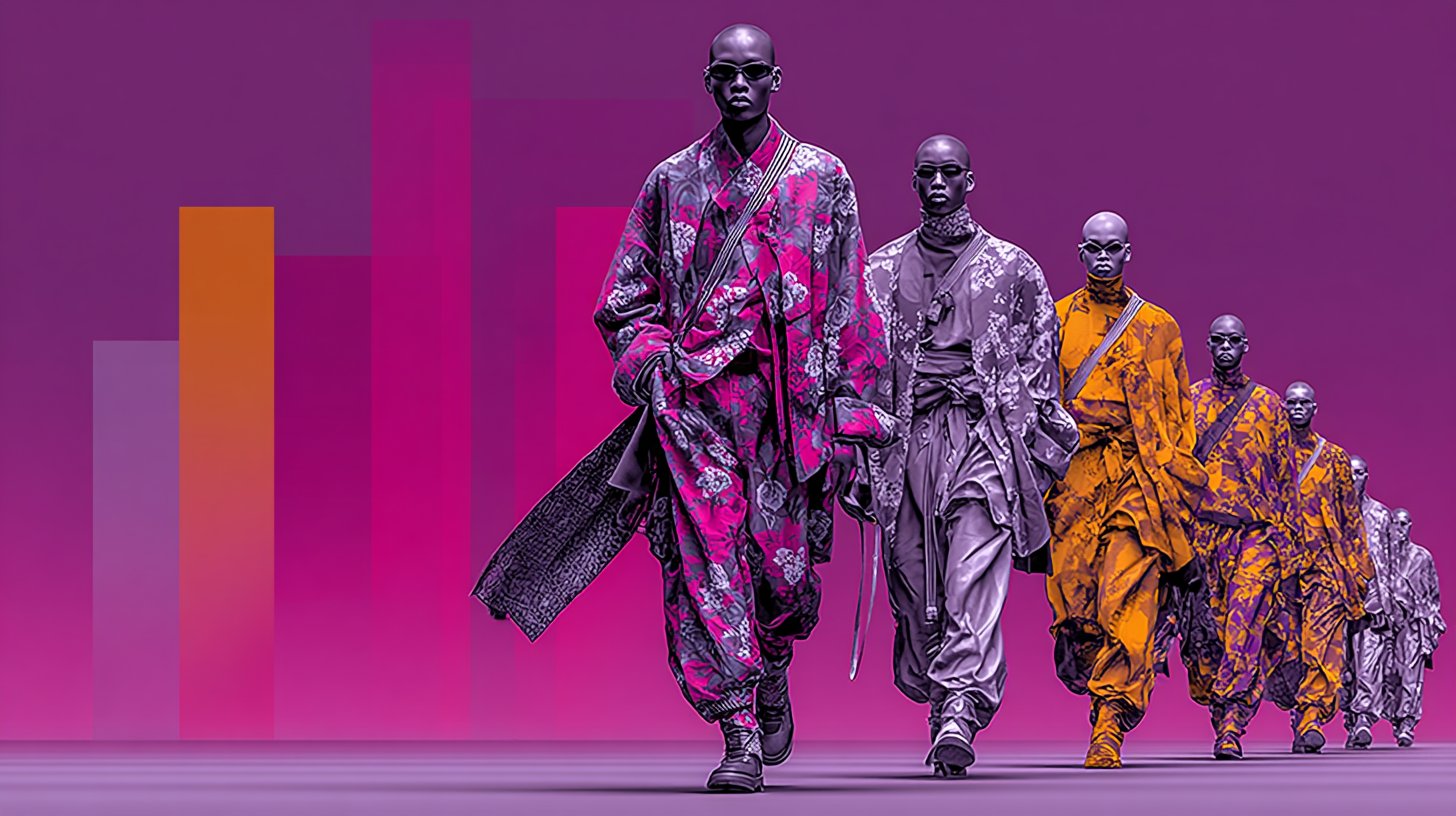
In a time when people come into contact through migration and travel, the boundaries between different cultures are increasingly blurring. This diversity is appreciated both from commercial aspects and from curiosity about other ways of life. Thus, in recent decades, a fashion innovation has developed that allows for the combination of traditional clothing elements with modern designs. You can see this, for example, in the latest collections of many designers who incorporate cultural influences from various parts of the world.
Fashion trends in intercultural exchange
A fascinating example of intercultural dialogue through fashion is the Fashion Weeks that take place in various metropolises around the globe. Here, designers from all over the world come together to showcase their latest creations and share trends. These events serve to develop creative ideas but also to celebrate and share cultural influences. Influencers and designers play an essential role in bringing cultural styles to a broader audience.
But it is not only the fashion industry that influences intercultural exchange. Social media has also revolutionized the way we understand and experience fashion. Platforms like Instagram make it possible for people from different cultures to showcase their styles and share stories. This digital networking contributes to fashion no longer being limited to one's own cultural sphere but allows us to learn from and be inspired by the styles and stories of others.
The challenges of cultural appropriation
Unfortunately, there are also dark sides to intercultural fashion exchange. Often, cultural appropriation is discussed when elements of one culture are adopted by another, often dominant culture, without respecting the associated values and meanings. These practices can be perceived as disrespectful and devalue the cultural origins from which they come. Therefore, it is important to be conscious about fashion choices and to approach cultural aspects sensitively.
Instead of merely adopting aesthetics, it is crucial to understand the context and history behind the garments. Respect for the cultural roots and the significance they hold for the people who wear them is essential. If you are interested in fashion from various cultures, always keep in mind that genuine appreciation and authenticity are key to intercultural communication.
In summary, fashion can be a powerful bridge between cultures. It enables us to connect across boundaries and understand each other. It is important to recognize the responsibility that comes with appreciating other cultures. By being respectful and open-minded, we can expand our perspectives and live in a diverse and vibrant world. Remember that through our choice of clothing, we are also ambassadors of our values and identity, united by the common desire to celebrate the beauty of each culture.
Clothing is more than just an outward characteristic; it is a reflection of our inner world. Let us embrace this diversity together and see in fashion the many ways we are connected. In a world of constant change, there is always room for respect, understanding, and shared creativity.