Understand and Enjoy Cravings
Overcome Hunger: Uncover Hidden Messages
L
Hunger, cravings, nutrition – have you ever wondered why you sometimes have insatiable hunger pangs? Often, these cravings for specific foods are more than just a normal hunger response. They are messages from your body indicating what you truly need or what is currently missing in your life.

The desire for food can be attributed to many factors, including stress, emotional needs, or even physiological changes. Whether you reach for sweets when you're sad or salty snacks when you feel bored – your body may be trying to tell you something. By understanding the reasons behind your cravings, you can not only trick your hunger but also build a healthier relationship with food.

The Psychology of Hunger
When you feel hunger, it's important to consider the psychological aspect. Often, our cravings are closely linked to our emotions. Do you feel lonely or stressed? Grief or boredom can lead to a retreat to the fridge. In such moments, it can be helpful to pause and reflect: What do I really feel? Do I need food right now, or am I seeking a distraction? Instead of just reaching for something, you could try taking a walk or having a conversation with a friend to satisfy the emotional hunger.
Another interesting point is the influence of routines and habits. Do you have a set meal time, or do you snack simply out of habit? Sometimes it is enough to question your habits and make small changes to avoid unnecessary cravings. Imagine that small changes in your daily routine – such as introducing regular snack breaks – could help curb your cravings while also increasing your well-being.
Recognizing Physiological Needs
Hunger can also have physiological causes. Your body may require certain nutrients that it is not currently receiving. For example, a strong craving for chocolate can often indicate a magnesium deficiency. Fatigue and dizziness can also trigger the desire for so-called "energy foods." If you find out which nutrients your body is lacking, you can specifically adjust your diet and prevent hunger attacks. It may be worth reviewing your meal plan and adding nutrient-rich ingredients that are good for your body.
Also remember to drink enough. Many people confuse thirst with hunger. Try to drink enough water throughout the day to keep your body well-hydrated. Sometimes a simple glass of water can satisfy hunger and help you deal more consciously with your cravings.
Creatively Managing Hunger
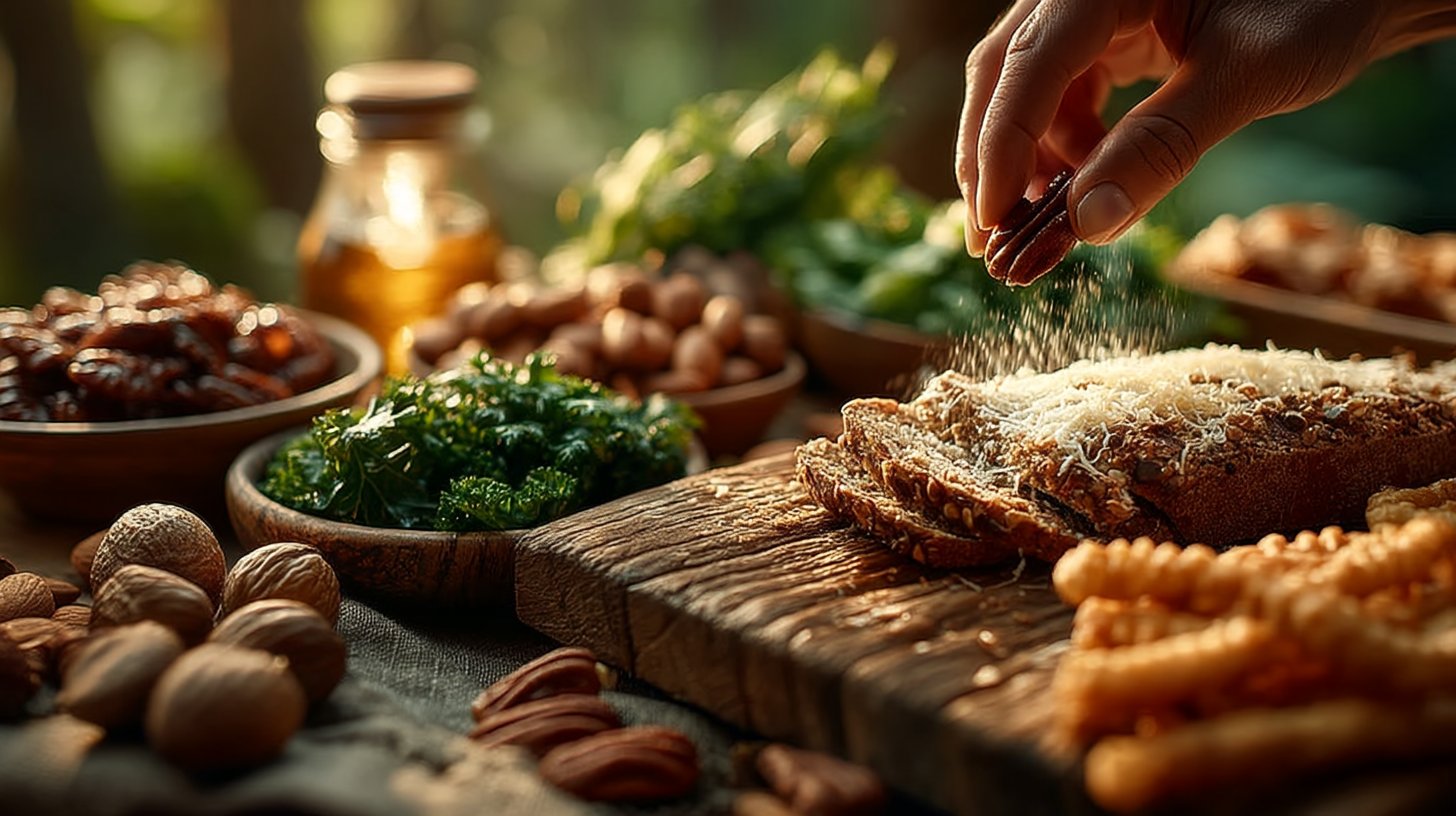
Instead of directly reaching for chocolate or chips during a hunger attack, consider healthier alternatives. Maybe you could try fresh fruit, nuts, or yogurt. These snacks are not only nutritious but also fill you up longer and prevent you from falling back into unhealthy eating habits. You could also try various creative recipes that are both healthy and delicious, so you can satisfy your cravings without resorting to unhealthy foods.
Remember that it is normal to have cravings occasionally. The key is to use these moments as an opportunity to get to know yourself better and to recognize your needs. The more you understand your body and your needs, the better you can manage cravings while also making healthy decisions.
Overall, it is important to listen to the signals from your body. Hunger can often be a valuable message highlighting your emotional and physical needs. Instead of simply giving in, take the time to figure out what your body is trying to tell you – and then act accordingly.
In the end, a conscious, balanced diet is the best way to deal with hunger attacks and control your cravings. With a bit of determination and creativity, you can promote a healthier lifestyle while still enjoying the pleasure of eating.