Ethical shopping made easy
Find your balance when shopping
N
In an increasingly complex world, shopping is a challenge for many of us. The three key aspects that we should consider are ethics, responsibility, and sustainability. You are faced with the choice of purchasing products that not only meet your needs but also do justice to the world around you.
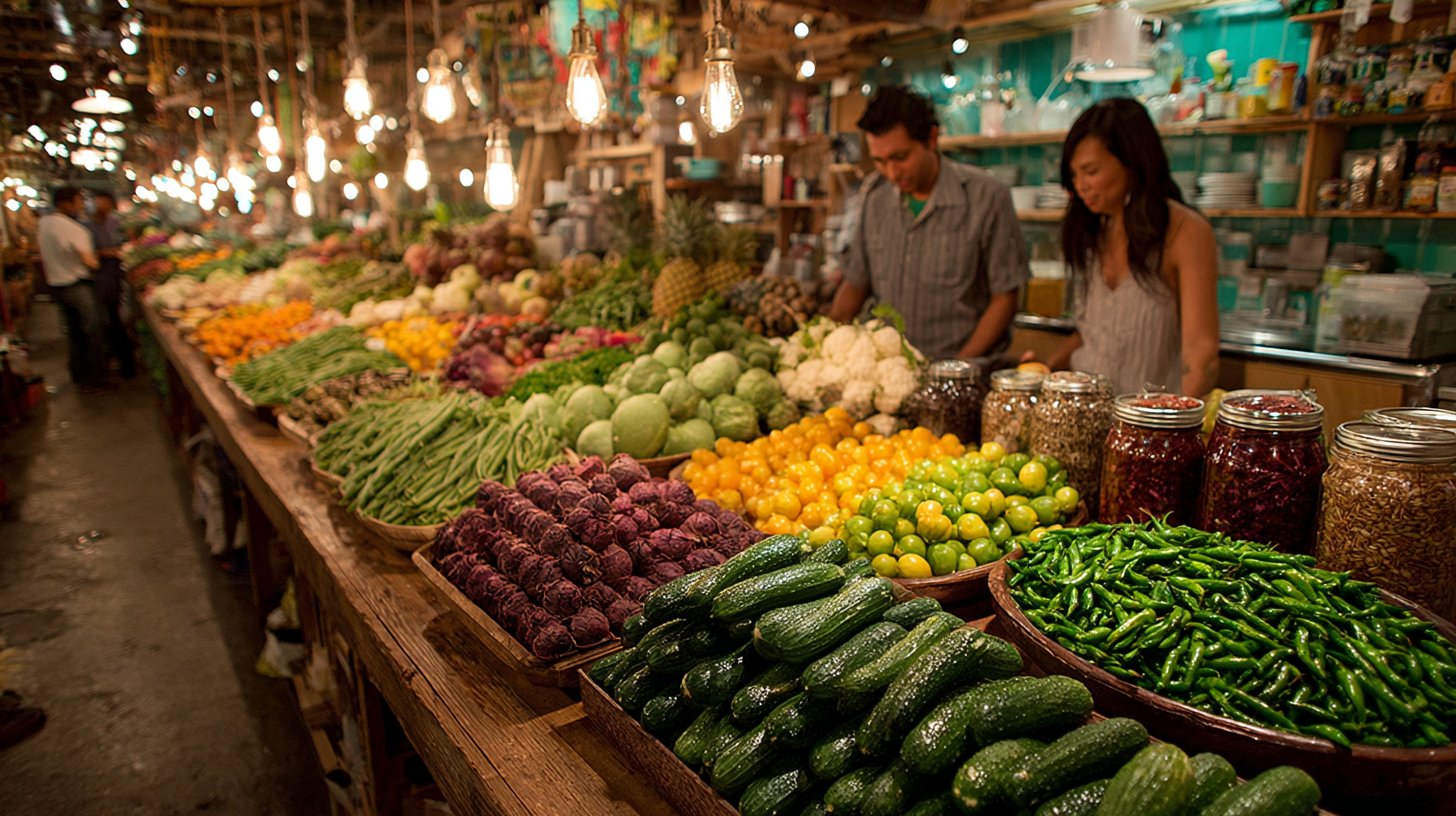
Shopping is more than just acquiring goods. It is a statement about our values and our attitude toward the world. In recent years, awareness of ethical aspects of shopping has increased. People are becoming increasingly interested in where their food comes from, under what conditions clothing is produced, and what impact their purchasing decisions have on the environment. It is important to ask yourself these questions before making your next purchase.

The responsibility of the buyer
As a buyer, you have a responsibility that goes beyond your personal needs. When you choose a product, you should also consider the impact of that decision on other people and the planet. Do you support companies that offer fair working conditions and respect the environment? It is worth questioning your favorite brands and researching what values they represent. Perhaps you can support local producers or opt for products that have been made under transparent conditions.
Another aspect of responsibility is awareness of your own purchasing decisions. We are often influenced by advertising and societal trends. It is easy to buy impulsively without thinking about the consequences. A clear decision-making guide can help you separate the wheat from the chaff. Ask yourself if you really need the product or if it is just a temporary desire. Every purchase is a small vote for what you want to see in the world.
Focusing on sustainability
Sustainability plays a central role in the ethical challenges of shopping. Responsibility for the environment can be taken on through conscious shopping decisions. By choosing products that are packaged in an environmentally friendly way or made from recycled materials, you can have a positive impact. Buying seasonal and organic food also helps to protect the environment and support the local economy.
Think about the entire life cycle of a product before you buy it. A durable product that can be repaired has a lower ecological footprint than the constant purchase of disposable items. Less is often more, and quality trumps quantity. By combining sustainable products with ethical decisions, you not only create better consumer behavior for yourself but also inspire others around you to do the same.
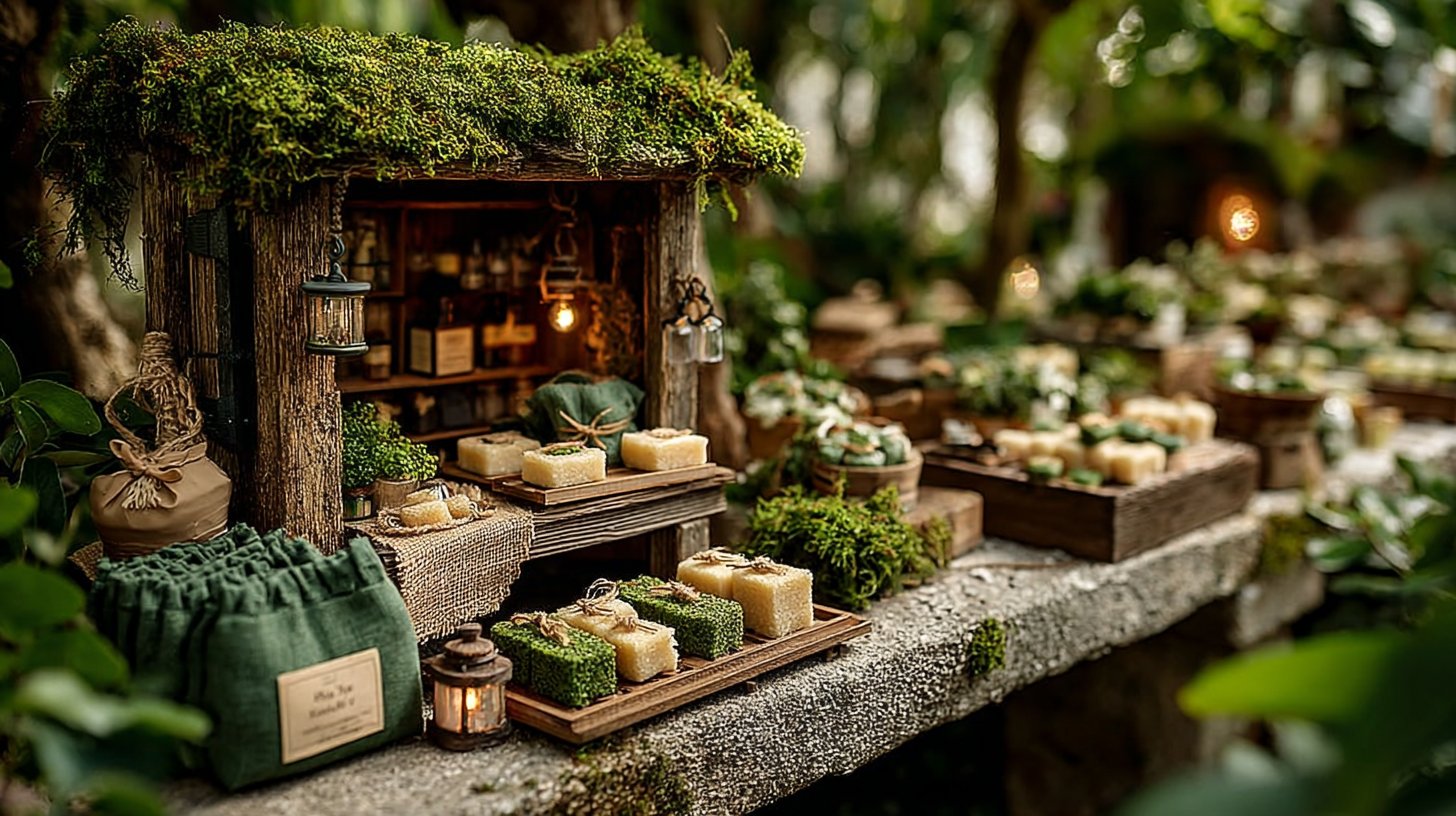
Developing your personal ethics
It is important to develop your own ethics when shopping and to reflect on how your values influence your consumption. Make a list of aspects that are important to you, such as animal welfare, environmental protection, social justice, or fair trade. This way, you can specifically search for brands and products that align with your views. The key often lies in buying 'less, but better' and being more mindful while shopping.
This personal ethics can also evolve over time. Be open to new ideas and perspectives. Attend workshops or readings and educate yourself about sustainable and ethical practices. You do not have to be perfect; progress is what counts. Every small decision you make has the potential to trigger a chain reaction that can bring about change in the world.
At the end of the day, shopping is a personal journey. Take the opportunity to reflect on your values and make a positive change in your surroundings. Enjoy discovering sustainable alternatives and expressing your ethics through your consumption!
In a constantly changing world, it is more important than ever to consciously choose ethical shopping. You are not just a buyer; you are an ambassador for change. By taking responsibility and questioning your purchasing decisions, you can have a positive impact on the world around you. Remember that every small step counts. Let's work together to make the world a little better through conscious decisions.