Traditions and Relationships
Family Traditions and Their Impact on Relationships
L
Family traditions shape our relationships in many ways. They are often deeply rooted in our family history and influence how we experience love, support, and communication. At charme.de, your online magazine for love and relationships, we want to highlight the importance of family traditions and examine their influence on your bonds. We believe that understanding these traditions makes it easier for you to create harmonious relationships. In this article, we show how the past can influence the present and give you practical tips on how to deal more consciously with your family mandates.
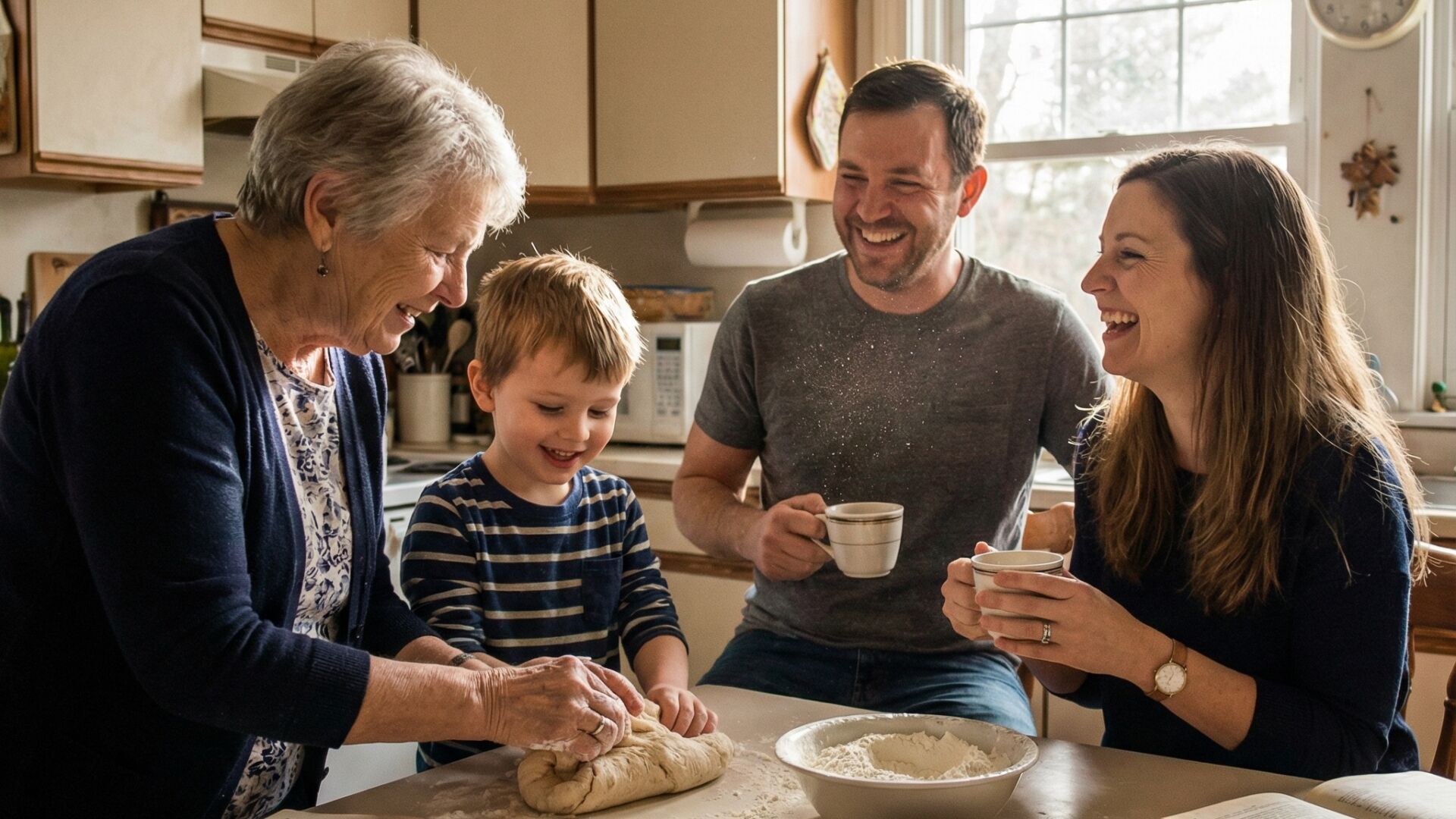
Every family brings its own traditions, often spanning generations. These can have both positive and negative effects on our relationship lives. Positive traditions, such as regular family gatherings or shared holidays, promote cohesion and communication among family members. They create an atmosphere of trust and affection where everyone can feel safe sharing their thoughts and feelings. In contrast, harmful traditions such as excessive control or unrealistic expectations can exert a lot of pressure on relationships.
The Role of Upbringing
Upbringing plays a crucial role in which family traditions we carry forward. Children learn from their parents and transfer their behavior patterns into their own relationships. For example, if parents resolve disputes with open conversations and compromises, children learn positive communication strategies that they can apply in their own lives. On the other hand, unresolved family conflicts can lead to the transfer of stress and misunderstandings to subsequent generations.
Equally important is how parents show love and affection to their children. When affection comes in the form of hugs, words of encouragement, or shared activities, it becomes an important foundation for emotional intimacy in later relationships. A home characterized by warmth and understanding can lead children to act more confidently and lovingly in their own partnerships and to express their emotions better.
Additionally, family traditions often have a cultural dimension. Certain holidays or customs are deeply linked to cultural values. When relatives pass on these traditions, family members often feel connected to the community, thereby strengthening their identity. A strong sense of belonging can be a valuable component of a stable relationship, as it highlights the feeling of shared values and beliefs.
Embracing Change
It is important to recognize that family traditions are not rigid. Over time, values and needs can change, and it is perfectly okay to adjust or reinterpret traditions. If you find that a certain tradition brings more pressure than joy to your relationship, it is time to think about how you can transform it or create a new tradition that supports the relationship. A creative approach to traditions can bring fresh air into existing relationships.
Discussions within the partnership about family traditions can help develop a better understanding of each other. By openly talking about your own experiences and acknowledging your partner’s perspective, you can both find ways to blend your cultural backgrounds or even create new rituals that accommodate both. This dialogue can be a critical foundation for a strong, long-lasting bond.
Ultimately, embracing change also means having the freedom to grow as an individual within the relationship. By setting your own values and beliefs while considering family traditions, you create a space where both development and stability are possible in the relationship.
Creating a Harmonious Future
Understanding the impact of family traditions on relationships is an important step in strengthening your bonds. By identifying the positive aspects of your traditions while questioning the negative ones, you can engage more consciously with your own behavior. The willingness to reflect fosters a deeper connection to your partner and to yourself.
Practical tips can help support this process. Ask yourself questions like: Which traditions do I want to preserve, and which do I want to change? Talk about it with your partner and involve them in the decision-making process. This not only fosters understanding but also shows that you value their input.
Ultimately, engaging with family traditions will help strengthen emotional intimacy and develop a deeper bond. You will discover that it is possible to create a harmonious and loving relationship that acknowledges the roots of the past while allowing space for today’s individual desires and dreams.