Space meets technology
Experience the universe in a new light
M
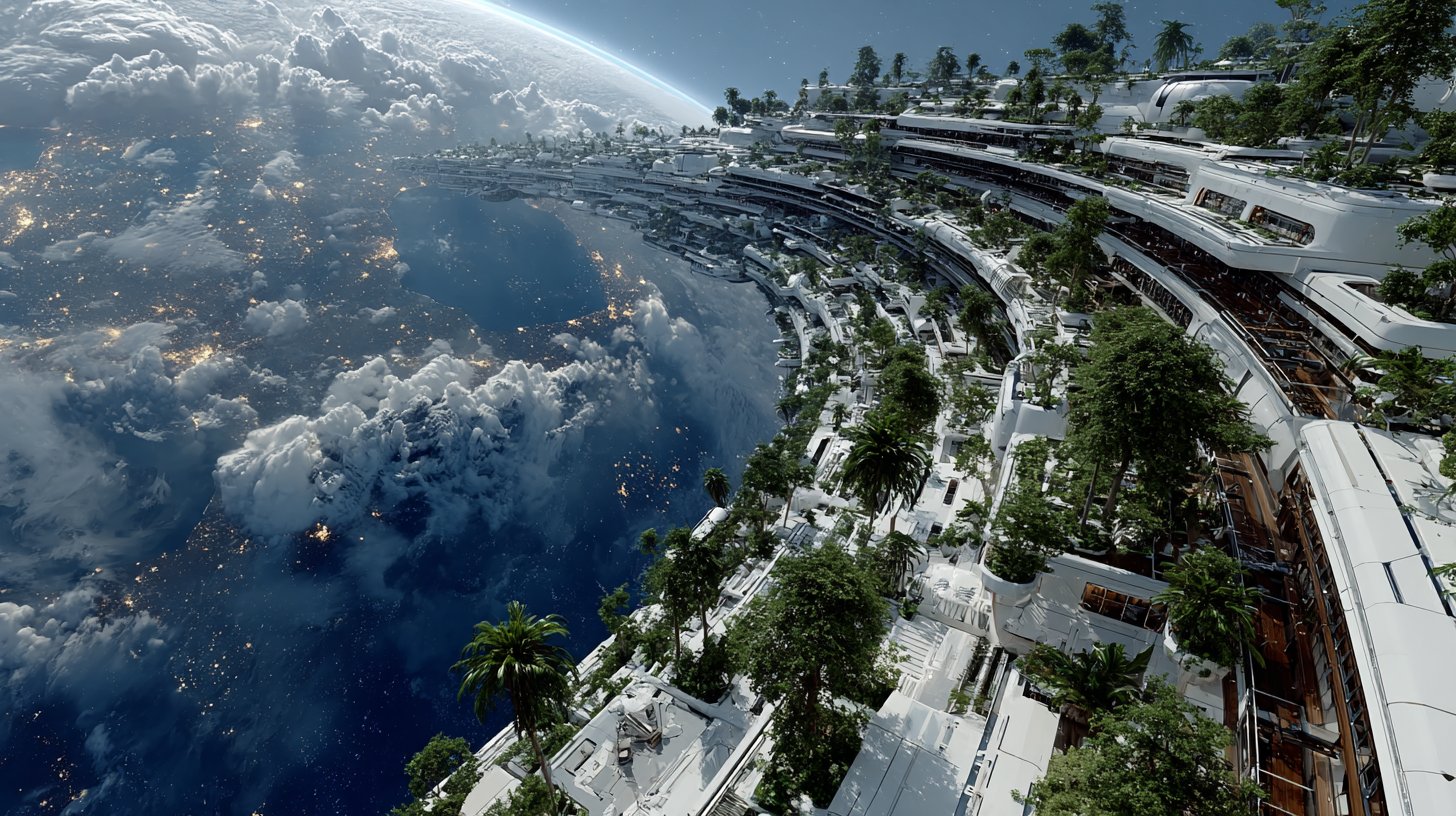
Astronomy, virtual reality, and immersive experiences – these three terms are at the center of an exciting trend that allows us to experience the universe in a completely new way. Imagine being able to explore the stars, planets, and galaxies without ever leaving your home. With the combination of astronomy and virtual reality, this dream becomes tangible. Dive into the infinite expanses of space and discover the wonders of the universe like never before!

Astronomy has always fascinated humanity. Whether it’s the mysterious stars, the sparkling galaxies, or the unexplored planets – the sky above us is a vast book full of stories. However, with traditional telescopes, it is often difficult to fully grasp the beauty and complexity of the universe. This is where virtual reality comes into play. It opens up new perspectives and brings the stars into our living rooms. With VR headsets, we can journey through the world of planets as astronauts, explore black holes, and even interact with intergalactic beings that exist in our imagination. This is not only fascinating, but also a way to deepen our understanding of the universe.
Diving into space
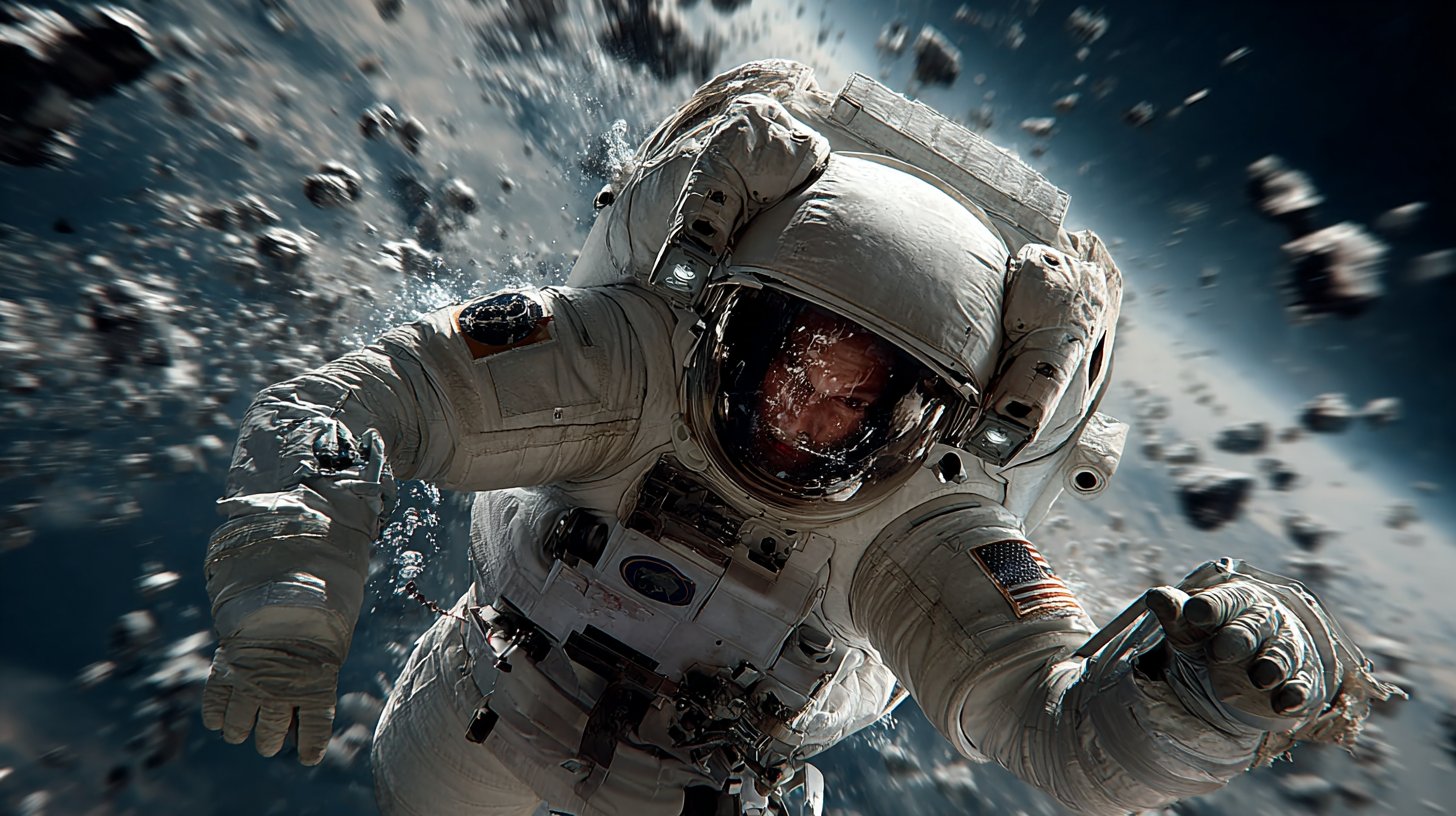
Through virtual reality, astronomy becomes experiential. There are various applications and programs that allow you to experience the universe in complete immersion. Platforms like 'Universe Sandbox' or 'Titans of Space' let you observe planets, stars, and galaxies up close. You can fly through space with VR controllers and experience gravity on different celestial bodies. This not only creates a feeling of wonder but also deepens our understanding of the physical laws that drive our cosmos. Imagine being on Mars and feeling the thin atmosphere. Technology allows us to transform our imagination into realistic experiences.
Learning through experience
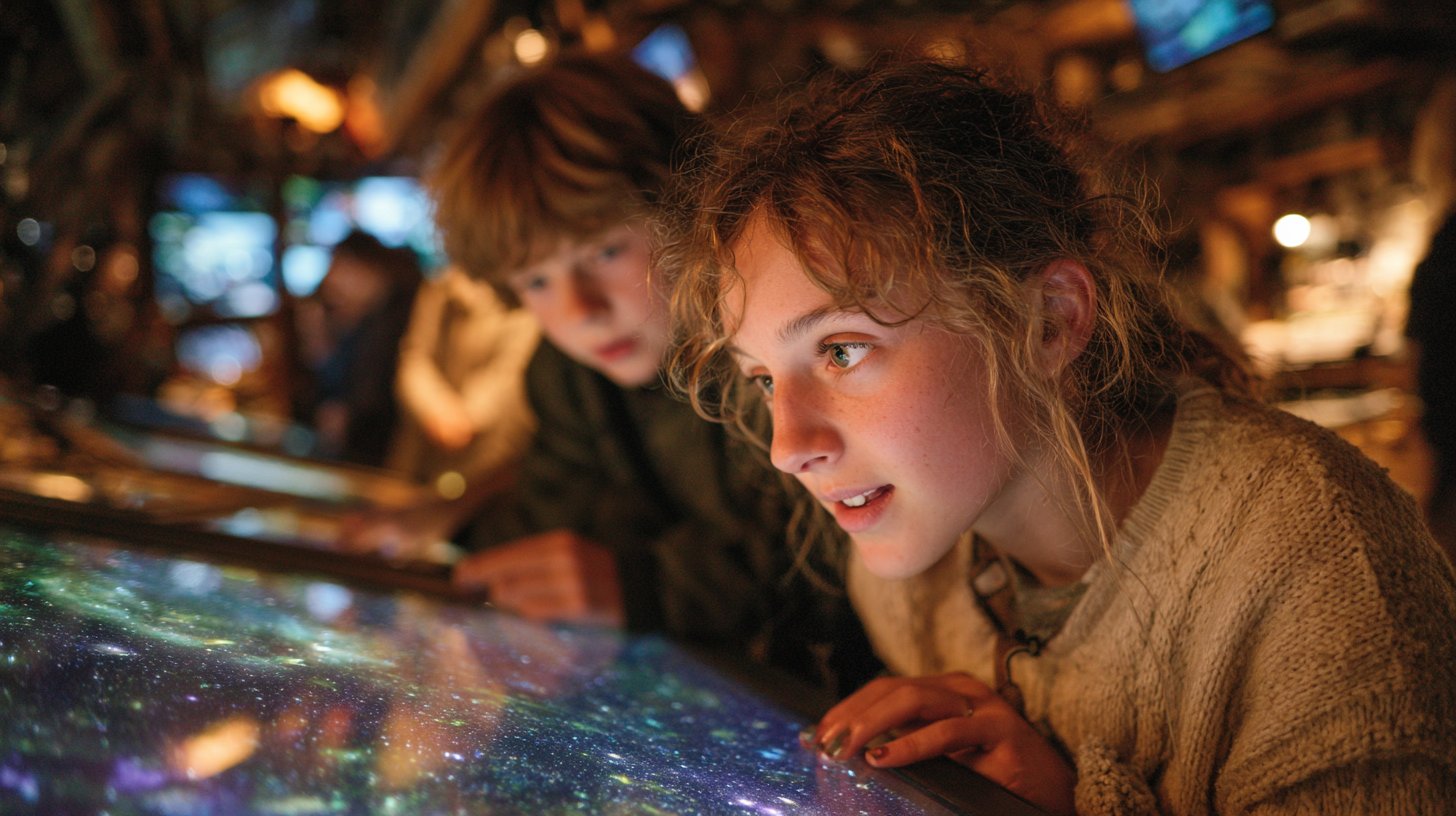
The use of virtual reality in astronomy also has educational potential. Many schools and universities are integrating VR applications into their teaching to bring students closer to the fascinating concepts of astronomy. It’s not just about passively viewing images from space, but about active learning. Students can become explorers themselves by using interactive simulations. This allows for a deeper understanding of complex topics, as they can see, feel, and experience what they learn. Thus, the principles of gravity, orbits, and the speed of light become tangible. This could inspire and motivate the next generation of astronomers.
Future outlook
It's exciting to consider where the future of astronomy and virtual reality will take us. Technological advancements and innovations will continue to open new possibilities. One could imagine that we will be able to visit even distant exoplanets or rewind time to observe the beginnings of the universe. Each year, new VR apps and programs come to market that expand our knowledge and stimulate our imagination. The boundaries between reality and virtual reality are increasingly blurring, and the fascination with space will continue to captivate us.
Overall, the combination of astronomy and virtual reality is not just a toy for tech enthusiasts, but also offers profound opportunities for education and inspiration. It allows each of us to take a glimpse into the infinity of the universe and connect with its mysteries. Whether for children wanting to explore space or for adults wishing to revive old dreams – VR makes the universe accessible to everyone. So why not take the leap into virtual reality today and explore the infinite expanses of space? Discover the stars, be surprised by the beauty of the universe, and enjoy the extraordinary experiences that modern technology offers you!