Future and Living Space
Discover the possibilities of extraordinary worlds
E
Exoplanets, living conditions, perspectives – an exciting connection awaits to be discovered. In a time when our understanding of the universe is constantly growing, exoplanets are a fascinating topic. Researchers and astrophysicists worldwide are tirelessly working to detect these distant celestial bodies and explore their conditions. What could they tell us about life as we know it and perhaps about life as we do not yet know it?

Perhaps you have also looked into the night sky and wondered if there are other beings in the universe out there. The idea that there is a world beyond Earth that has conditions similar to ours can be thrilling and frightening at the same time. Current research in astronomy has led scientists to discover more and more exoplanets. Many of these planets seem to be located in the so-called habitable zone of their stars – an area where liquid water could exist. This is one of the critical prerequisites for life as we know it. Let’s take a look at this exciting topic together!
How do exoplanets form?
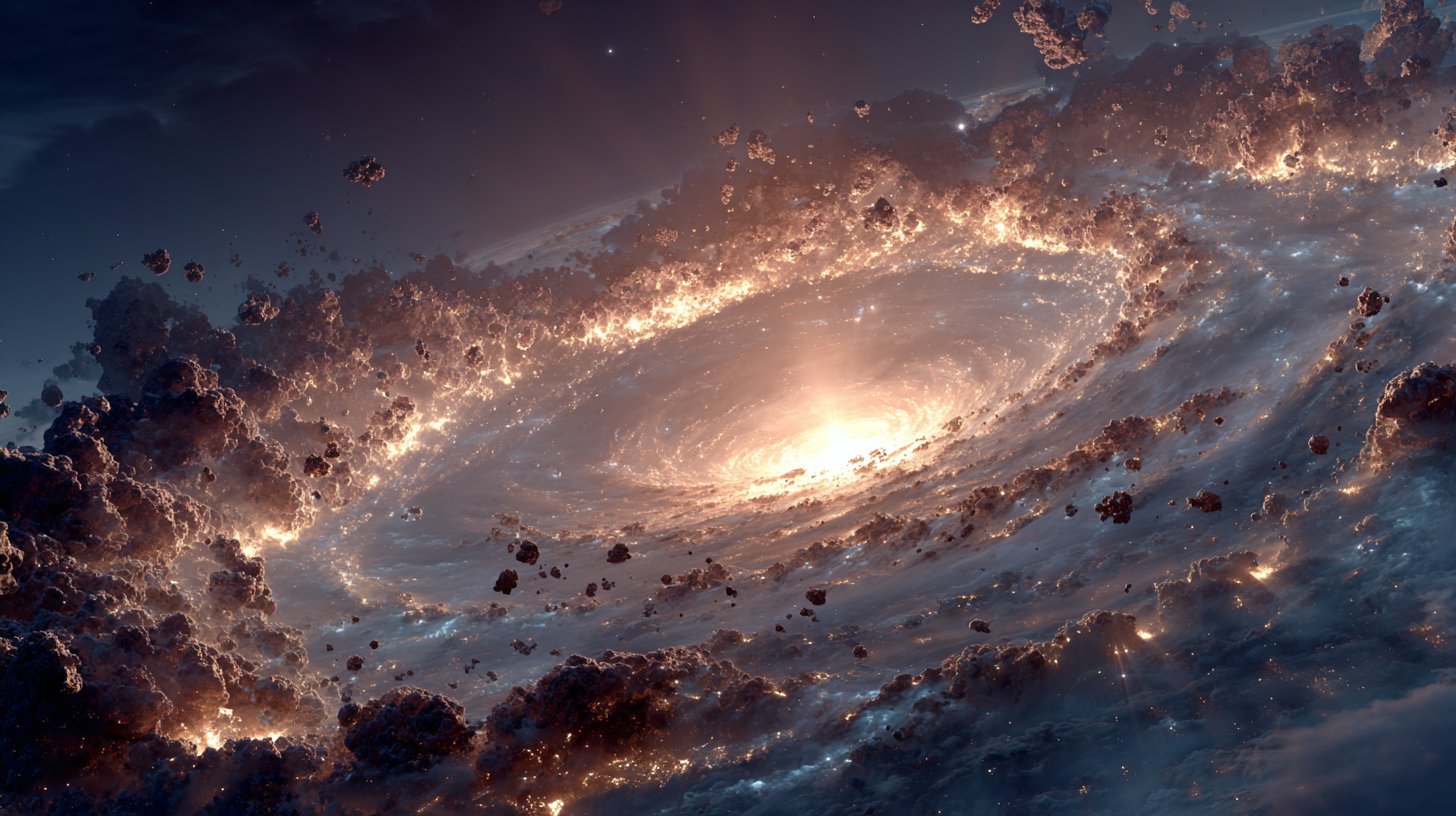
The formation of exoplanets is a fascinating and complex topic. They typically form from the same materials that create stars, including gas and dust. As a new star forms, small particles gather around it and clump together, ultimately leading to the formation of planets. It is amazing to think that the process that produced our own planet is also happening on many other planets in the universe. The diversity of exoplanets is gigantic – from gas giants like Jupiter to Earth-like planets. Each discovery opens up new perspectives and questions.
Possible living conditions on exoplanets
When we talk about living conditions on exoplanets, we often ask ourselves: What factors are crucial? In addition to the right temperature and the presence of water, other elements such as atmosphere and chemical compositions also play a role. Some scientists believe that extreme conditions like high radiation or extreme temperatures could still have produced a form of life that differs significantly from our own. The idea of extraordinary life forms thriving under extreme conditions is one of the most exciting hypotheses in astrobiology.

Future outlook: What awaits us?
As we look to the future, we can eagerly await which technologies and missions will bring us closer to the universe. Missions like the James Webb Space Telescope will soon provide insights into the atmospheres of exoplanets, which could even give us clues about life forms. The rapid development of technologies allows us to delve deeper into the expanses of space. The goal is not only to discover new worlds but also to understand how they can expand our knowledge about life itself.
In summary, exploring exoplanets is an exciting and fascinating journey that is just beginning. With each passing day, scientists are expanding our knowledge of the potential living conditions on foreign planets. Who knows what secrets the universe still holds for us? Perhaps there is a world out there that resembles your planet, or maybe even one with intelligent life. It is crucial to remain open to the possibilities that research offers us and to entertain the idea that the future of life does not only take place on Earth. Perhaps we are all part of a larger adventure that extends far beyond the boundaries of our planet.
In conclusion, I want to encourage you to continue engaging with the topic of science and space exploration. Whether through movies, books, or online courses – there are countless ways to inform yourself about exoplanets and their potential living conditions. The universe is full of wonders and mysteries waiting to be discovered by you. Let your imagination run wild and dream of the infinite possibilities beyond the stars!