Learn to heal!
Understanding simple self-healing through Reiki
L
In a world full of stress, hustle, and tension, many people long for inner peace and healing. Reiki, an ancient Japanese healing method, offers a wonderful way to harmonize your body and mind and achieve self-healing. In this article, you will learn more about the basics of Reiki, as well as the seven simple steps you can integrate into your life to utilize this powerful method for your self-healing.

To properly understand the value of Reiki, it is important to know that Reiki is not just a healing method, but also a life philosophy. It is about harnessing the universal life energy that is present in each of us. By practicing Reiki, you can increase your energy levels, release blockages, and improve your physical and mental health. But before you dive into the steps for self-healing, let’s first take a look at what Reiki really is.
What is Reiki?
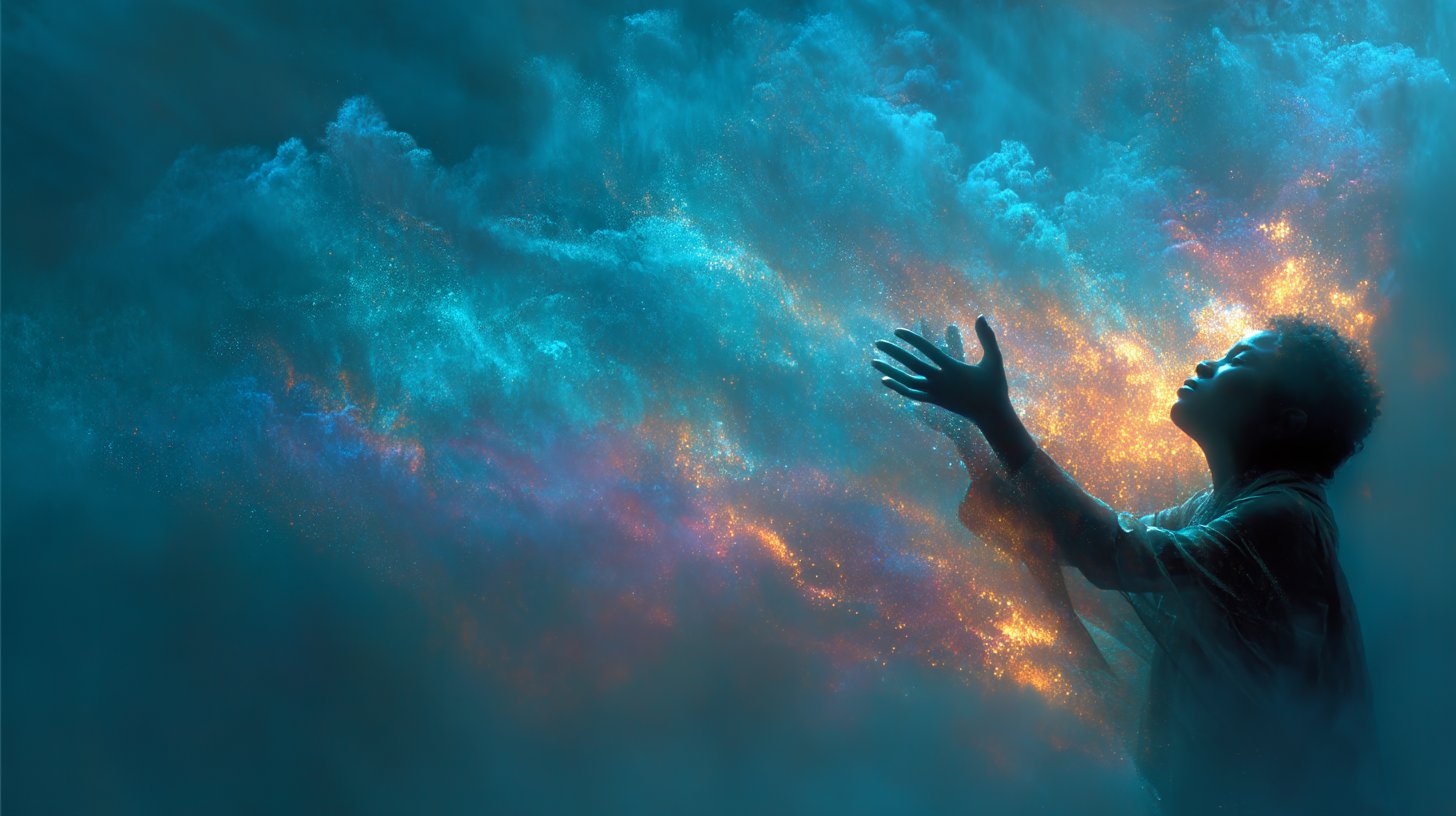
Reiki is a form of energy healing that was developed by Mikao Usui in early 20th century Japan. The word 'Reiki' consists of two parts: 'Rei', which means 'universal', and 'Ki', which stands for 'life energy'. Reiki practitioners channel this energy through hands-on or distant healing to promote the healing process in themselves or others. It is important to emphasize that Reiki does not replace conventional medical treatment, but rather represents a complementary method that can bring body and mind into harmony.
It is also worth mentioning that Reiki is a very individual experience. Everyone can perceive Reiki differently; some feel warmth, others experience a tingling sensation or simply a deep relaxation. These individual sensations are part of the healing process and can play a significant role in self-healing. Now that you know more about the basics of Reiki, let’s move on to the practical steps you can take to integrate Reiki into your life.
The 7 steps to self-healing with Reiki
To benefit from the healing power of Reiki, here are seven simple steps you can follow. First, it’s important to find a quiet place where you can relax. Make sure you are undisturbed and silence your phone. Take deep breaths in and out to clear your mind and focus on the moment. This is the foundation for a successful Reiki process. In the next step, you can place your hands on the areas of the body you wish to heal. Make sure you feel comfortable and listen to how your body responds to the energy.
Another important step is visualization. Imagine healing energy flowing through your hands and streaming through your body. Visualizations are extremely powerful and help your subconscious to support the healing process. If you find it difficult to access the energy, you can also attune yourself to the universal energy with a short prayer or mantra that can help you open up to the healing process. Keep your hands on each spot for as long as feels comfortable for you; over time, you will develop a sense of how long you need the energy.
Capturing the effects of Reiki
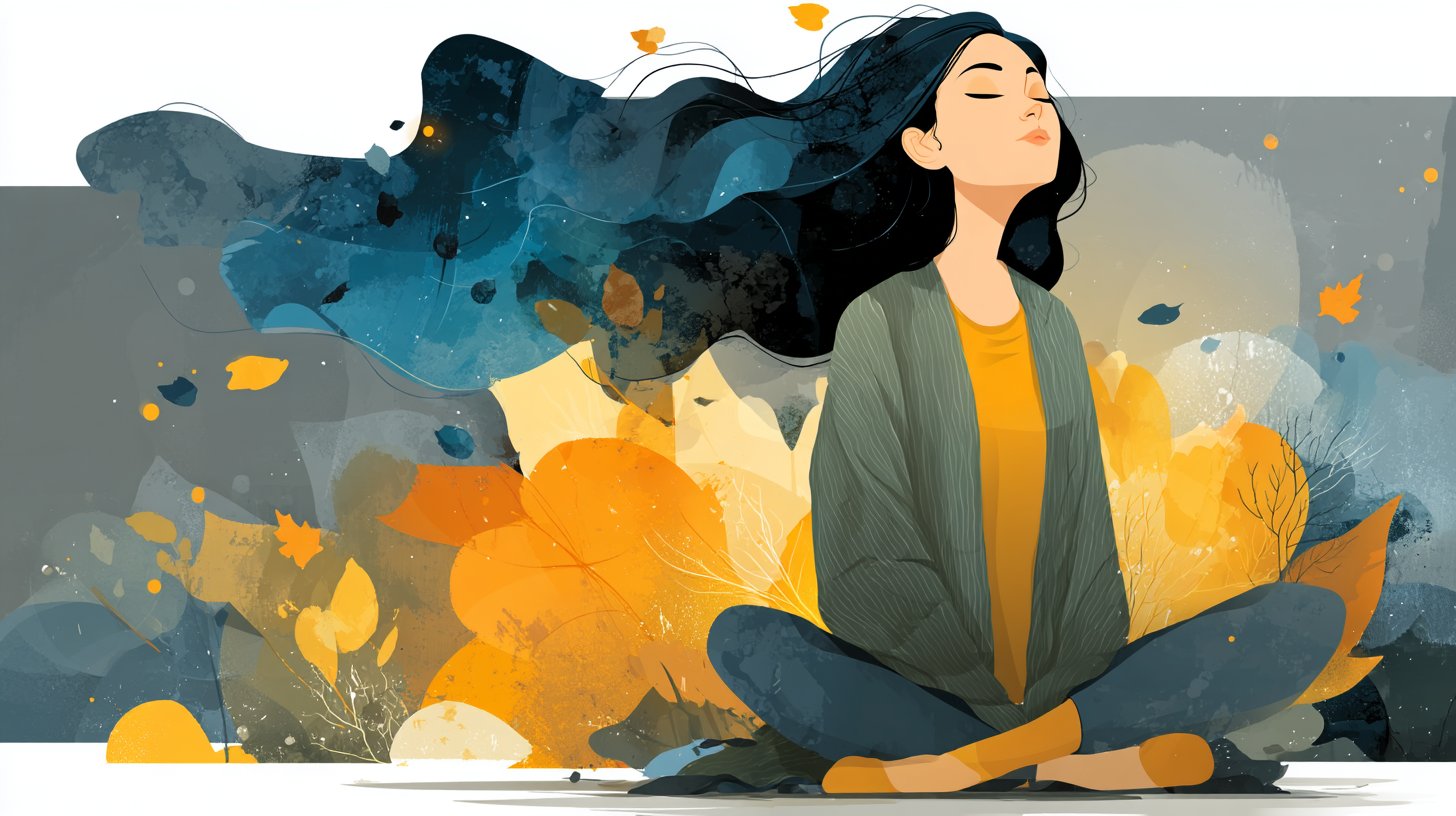
After you have had your experiences, it is important to reflect on the effects of Reiki. Keep a small journal where you note how you felt during and after the sessions. You might notice that you feel more relaxed, energized, or even emotionally liberated. These are all positive indicators that the energy is working. Be patient with yourself; it can take some time before you feel the full benefits of Reiki. It is a process that requires time and dedication. You will soon realize that Reiki is not just a technique but a way to embrace life in its entirety.
In conclusion, I would like to remind you that self-healing is a very individual process. Reiki can help you find your inner balance, increase your energy, and release blockages. In a time where stress and unrest are omnipresent, this ancient healing method can be the key to a calmer and healthier life. Try the steps mentioned above, harness the power of Reiki, and enjoy the positive change this can bring to your life.