Gratitude in Everyday Life
The Transformative Power of Gratitude in Life
L
Gratitude plays a central role in our daily lives. It influences our relationships, mental health, and overall well-being. On natinka.de, a platform that offers current topics for modern women, we want to examine the importance of gratitude and show how you can cultivate this valuable quality in your life. In a world that is often hectic and stressful, gratitude can serve as an anchor that helps us perceive and appreciate the positives in life. Let’s discover together how gratitude can enrich your life.
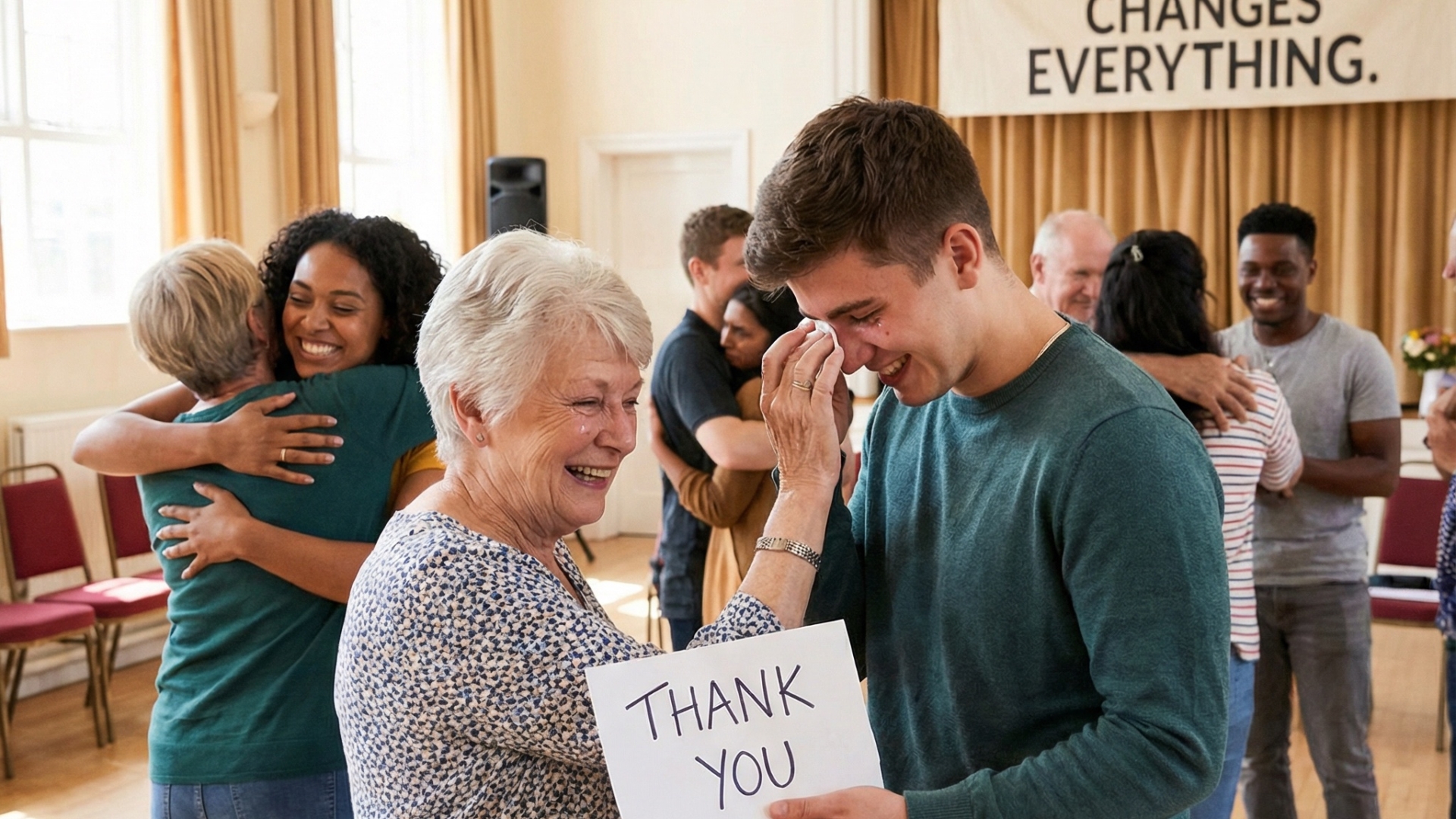
Gratitude is much more than just a polite act; it is a deeply rooted emotional response that influences our perception and behavior. Studies show that people who regularly practice gratitude are not only happier but also maintain healthier relationships. When you take time regularly to reflect on the things you're grateful for, it not only promotes your positive attitude but also improves your stress management. Whether it’s little everyday joys or significant life events—gratitude can have a profound impact across the various facets of your life.
Practical Ways to Cultivate Gratitude
A simple and effective way to foster gratitude is to keep a gratitude journal. Spend a few minutes each evening writing down three things you are grateful for. This can help shift your focus from negative thoughts to positive experiences. If you do this regularly, you'll be surprised at how many beautiful things there are in your life, even during tough times. This practice has cognitive benefits and can enhance your overall satisfaction in the long term.
Another way to express gratitude is by thanking people in your life, whether through short messages, conversations, or letters. You will find that your appreciation not only enriches the lives of others but also your own. Every time you express gratitude, you create a positive connection that deepens your relationships. Sharing gratitude fosters a sense of community and belonging, which is vital for your emotional well-being.
Additionally, you can integrate gratitude into your life through creative activities. Whether it's participating in volunteer projects or supporting friends in difficult times, through the act of helping and supporting, you see the world through different eyes. These experiences not only broaden your horizons but also create a cycle of positive energy and gratitude that both you and others can benefit from.
The Effects of Gratitude
The positive effects of gratitude on our mental health are extensive. Research shows that gratitude can reduce depressive symptoms and promote overall well-being. People who practice gratitude tend to be more optimistic and often see the possibility of positive growth even in challenges. This optimism also has a direct impact on physical health – being grateful might lower the risk of chronic illnesses and strengthen the immune system.
Moreover, gratitude is often linked to better sleep. For instance, when you reflect on the things that brought you joy in the evening, it calms your mind and can improve your sleep quality. Restorative sleep is essential for your overall health and performance. In conclusion, gratitude is a transformative practice that affects all areas of life.
In summary, there’s no doubt that gratitude is an essential component of a fulfilling life. When you regularly take time to be grateful, you not only enrich your own life but also that of those around you. Allow gratitude to flow into your life and observe how your perspective changes and your relationships strengthen. Use the tools and tips from this article to make gratitude a regular part of your daily routine.