Respect as a Basis for Education
The Role of Respect in the Education of Shared Children
L
Respect is one of the central pillars in the education of children, especially when parents are separated or live in different households. A unified educational strategy based on mutual respect can not only strengthen the relationship between parents but also promote the well-being of the children. Georgia.de, an online magazine for women, discusses the importance of strong relationships and harmonious coexistence. In this article, you'll learn why respect is crucial in education and how you, as a parent, can develop a consistent strategy. Whether you are just starting to shape your education together or have already overcome some challenges, the tips and approaches mentioned here will help you create a respectful and loving environment for your children.
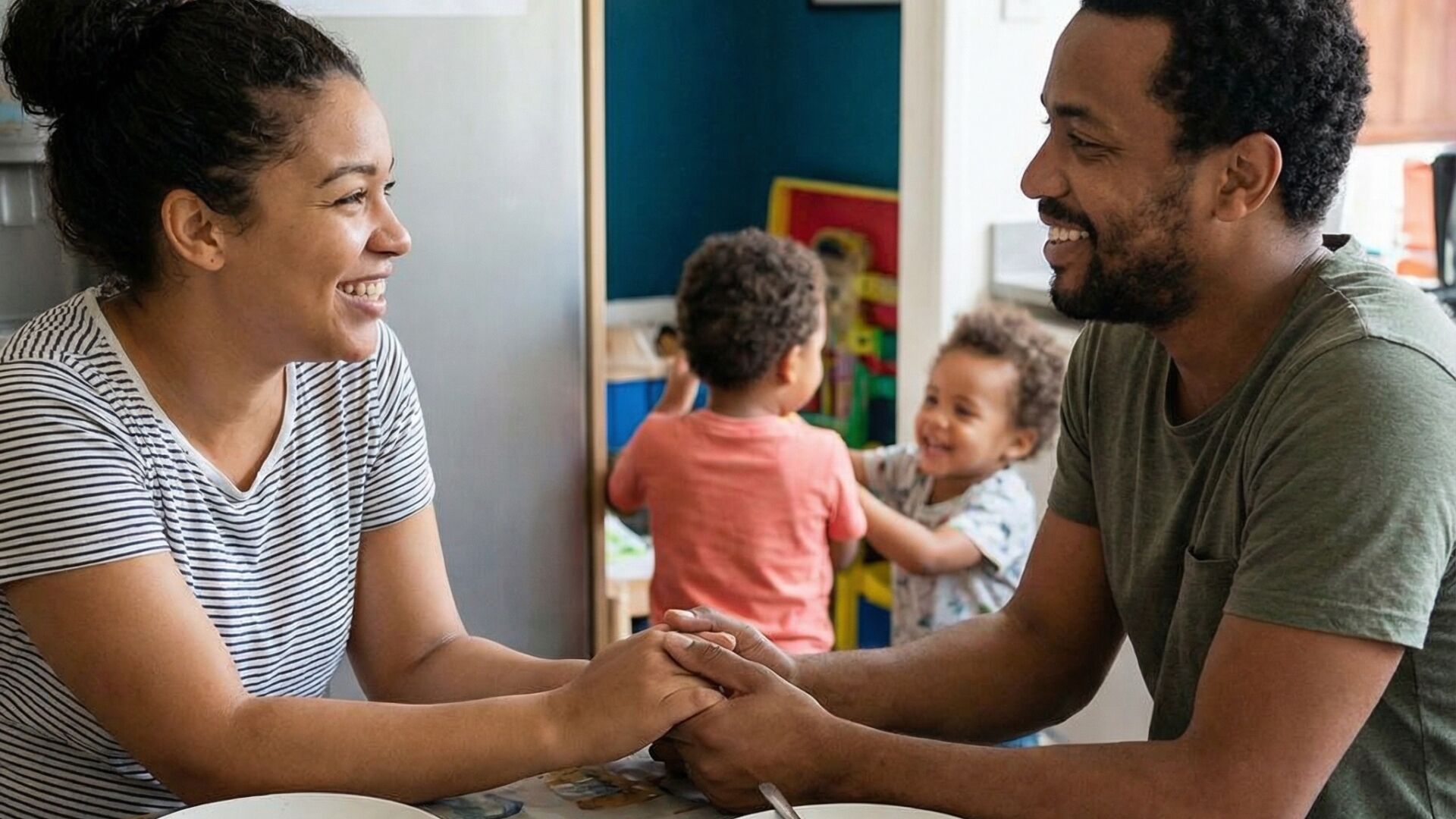
First of all, it is essential to define the term respect clearly. Respect means acknowledging and valuing the personality and needs of others. In terms of education, this means taking seriously both the wishes of the child and those of the other parents. A respectful approach can prevent misunderstandings and conflicts that often arise in the dynamic relationships between parents and children. Speak openly about the boundaries and expectations each of you has, and emphasize that the child's voice also counts. This not only fosters a healthy environment but also shows the children how important it is to listen to and respect the opinions of others.
Consistency in Education
A consistent approach to education is essential when parents live apart or have differing views on parenting their children. When parents agree on their parenting methods, it provides the child with stability and predictability. It is helpful to regularly discuss parenting strategies and find common ground. Sit down together and discuss how certain parenting issues should be addressed, whether regarding discipline, leisure activities, or academic performance. Regular conversations build trust and transparency. The child will feel more secure when they see that their parents are jointly taking responsibility and supporting their education.
An important aspect of consistency is the agreement on how to react to misbehavior. When the child knows that both parents follow the same line on disciplinary matters, it minimizes confusion and uncertainty. Discuss consequences for undesirable behavior in advance and stick to them. This provides the child with clear rules and promotes a sense of responsibility. Another point is that positive parenting methods should also be communicated and adhered to. For example, if one parent uses positive reinforcement, the other should do so as well to encourage and support the child.
Appreciation and Emotional Security
Respect is not just a matter of rules but also of appreciation. Always show your child that you value them and are grateful for having them in your life. This can be expressed through small gestures, such as a kind word or praise for a good performance. Children who feel appreciated develop a stronger self-esteem and a positive attitude. Moreover, both parents should demonstrate that they respect each other. Through your respectful treatment of one another, the child learns that respect is also important in their relationships and that loving communication and understanding can resolve existing conflicts.
The emotional security of a child is significantly influenced by the nature of communication between their parents. When disputes arise, it is crucial that they are resolved in a respectful manner without involving the child in conflicts. Focus on clear communication, where the preferences and boundaries of each parent are respected. The child should not feel like they are being torn between the parents. Open discussions about problems and solutions create a safe environment where the child feels comfortable.
Additionally, it is important to emphasize that respect also means giving children the opportunity to express their own opinions. Start actively involving them in decision-making processes that affect them. When you can discuss street corners together or think about future vacations, it teaches the child that their opinion matters and is valued. This not only fosters self-confidence but also strengthens the family bond, as the children realize that they are part of the collective decision-making process.
Conclusion and Recommendations for Action
In summary, respect in the education of shared children is a cornerstone for healthy development and a strong parent-child bond. A unified educational strategy that prioritizes respect and appreciation can not only improve the relationship between parents but also promote the self-esteem and emotional well-being of the children. It requires skill and commitment, but the effort is worthwhile. Be open to the boutique system: discuss strategies and show your children how important respect is in all their relationships.
Start today actively working on respectful treatment – not only between you and your partner but also towards your children. Use communication aids and set clear boundaries. Establish regular conversations and check-ins that foster parent exchanges. By treating others respectfully, you create a trusting atmosphere that allows your children to grow and feel secure. Don't hesitate to seek external help, such as parenting counseling or groups that can assist you along your way. Invest in the values that are essential for your child's upbringing.