Understanding Gender Roles
The Influence of Gender Roles on Self-Image
D
The influence of gender roles on self-image is a complex topic that encompasses many facets. In today's society, we see how deeply rooted and often harmful the expectations associated with gender roles are. These expectations can strongly influence the self-image of both women and men. On lifescout.com, a platform that supports women in their personal development, we want to take a closer look at this influence. We illuminate how gender roles shape self-perception and what psychological mechanisms play a role. The goal is to provide you with valuable insights and tools to consciously shape and strengthen your own self-image.
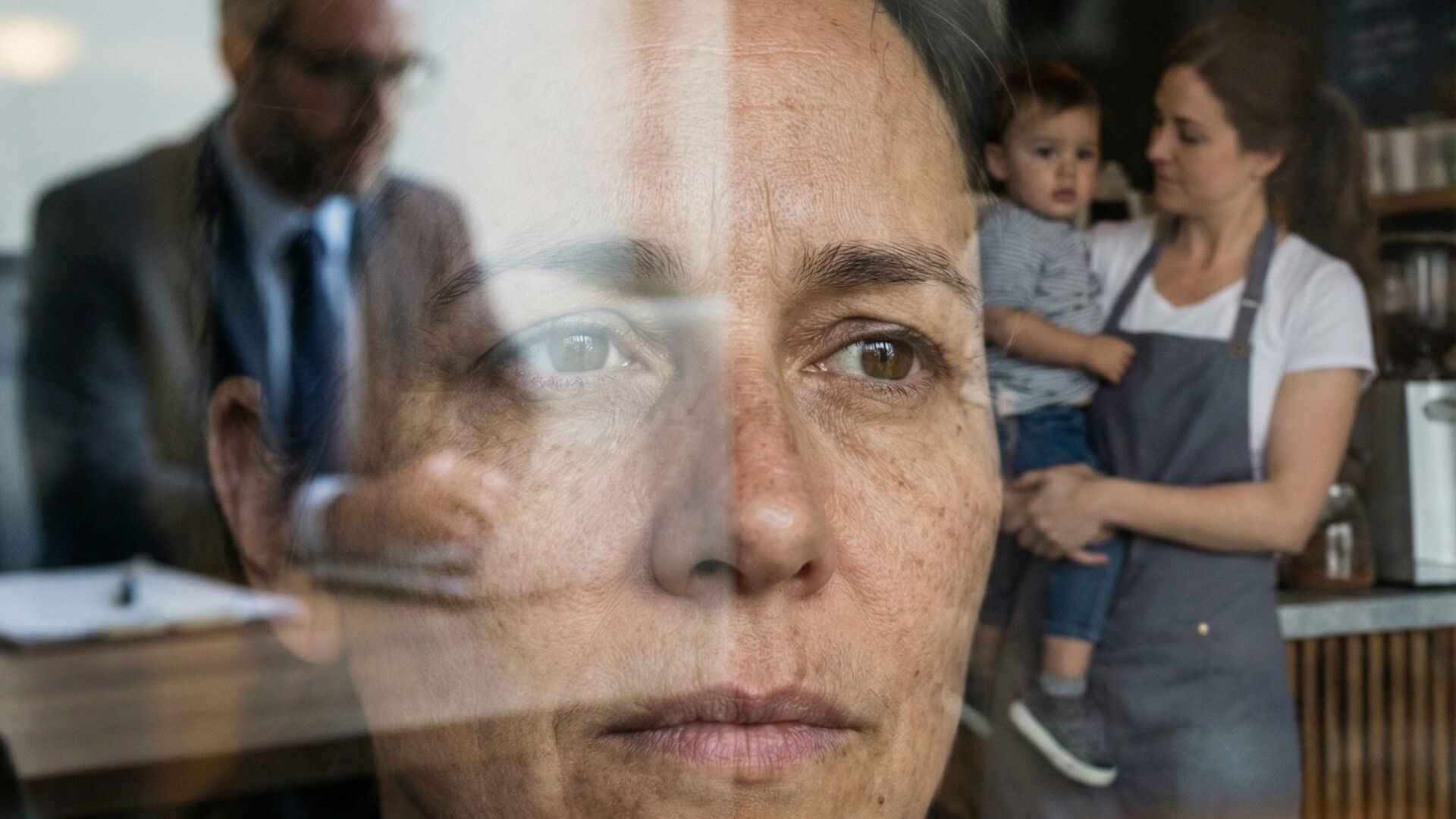
Self-image is strongly influenced by social and cultural frameworks. In particular, gender roles play a central role in this. A classic example is the pressure on men to be strong and unemotional, while women are often raised to be caring and empathetic. These established roles often lead individuals to suppress their true feelings and desires in order to meet expectations. This can result in both men and women being stuck in roles that make them unhappy. Within these roles, they often lose touch with their authentic selves, which can lead to long-term issues such as low self-esteem or identity crises.
How Gender Roles Affect Self-Confidence
An important aspect that we need to consider is the influence of gender roles on self-confidence. Women, who are often judged based on societal norms regarding their physical appearance, tend to base their self-worth on external factors. Men, on the other hand, often struggle with the pressure to be financially successful and independent. These challenges often leave little room for individuality or personal development and exacerbate feelings of inadequacy. It is crucial to recognize that these expectations should not define our true identity, but that we can emancipate ourselves from them.
The effects of gender roles can also be observed in the workplace. Women often face the phenomenon of the 'gender pay gap,' which not only undermines their financial independence but also harms their self-worth in the long term. Many women feel compelled to choose between career and family, leading to an internal conflict. Conversely, men often struggle with the pressure to be providers, which causes them to neglect their emotional needs. Such role models highlight how important it is to question gender roles and develop a self-image that is not filtered by societal expectations.
Another point is the role of the media and social networks. They often reinforce stereotypical representations of gender by not showcasing diversity. Women are frequently portrayed as idealized beauty standards, while men are often presented as strong and independent. These representations can have a significant impact on the self-image of consumers. Young people growing up in a consumer-oriented society are particularly susceptible to the ideals that are constantly presented to them. It is essential to approach the information disseminated through these platforms critically. By becoming aware of how these messages influence us, we can defend and adjust our self-image.
Overcoming the Influence of Gender Roles
To break free from the influence of gender roles, it is important to reflect on oneself and find out which values and beliefs are truly one's own. A conscious engagement with one's own identities can help recognize harmful patterns. Practices such as keeping a journal or coaching can be valuable tools to structure your thoughts and feelings. By regularly asking yourself whether your decisions come from your own drive or are shaped by societal expectations, you can reach an authentic self.
Furthermore, it is helpful to connect with like-minded individuals. Discussion groups or workshops can provide a supportive environment in which to share personal experiences and learn from one another. Communities that address gender issues can help gain new perspectives and question existing roles. These connections can not only strengthen the sense of belonging but also enhance self-confidence by ensuring that one does not feel alone in their challenges.
A good approach is also to seek role models who question or even break traditional gender roles. Stories of women who are successful in male-dominated professions or men who actively engage in childcare can be very inspiring. These shifts in perspective make it clear that there are many ways to shape one's self-image, independent of gender clichés.
Conclusion and Actions
In summary, it can be said that gender roles can significantly influence both our self-image and our emotional health. By critically questioning societal expectations, we can find our own path. It is in your hands to free your self-image from the clamor of clichés and expectations. It is important to recognize that what one considers their own identity is often shaped by external influences.
Be aware that change requires time and patience. Use tools and strategies to create a supportive environment for yourself. Surround yourself with people who share your values and foster a positive self-image. It is important not to compare yourself with others, but to appreciate your own path. Every step towards self-awareness is a step in the right direction.
Active self-reflection and a critical approach to traditional gender roles can help lead a fulfilling and authentic life. Do not let old patterns restrict you, but fight for your own identity. You have the ability to shape your self-perception and live the life you desire. The path to self-fulfillment begins with the small decisions you make every day.