Your inner child
The inner child and your decisions
N
The concept of the inner child can help you understand the roots of your decisions. At Lifescout.com, we explore how deeply rooted emotions and experiences from your childhood influence your present behavior. In this article, we analyze how the inner child guides you in psychology and what paths you can take to identify and transform these influences. The goal is to live more consciously and foster harmonious relationships, both with others and with yourself. By engaging with these inner child aspects, we not only support our personal growth but also our emotional intelligence in all areas of life.
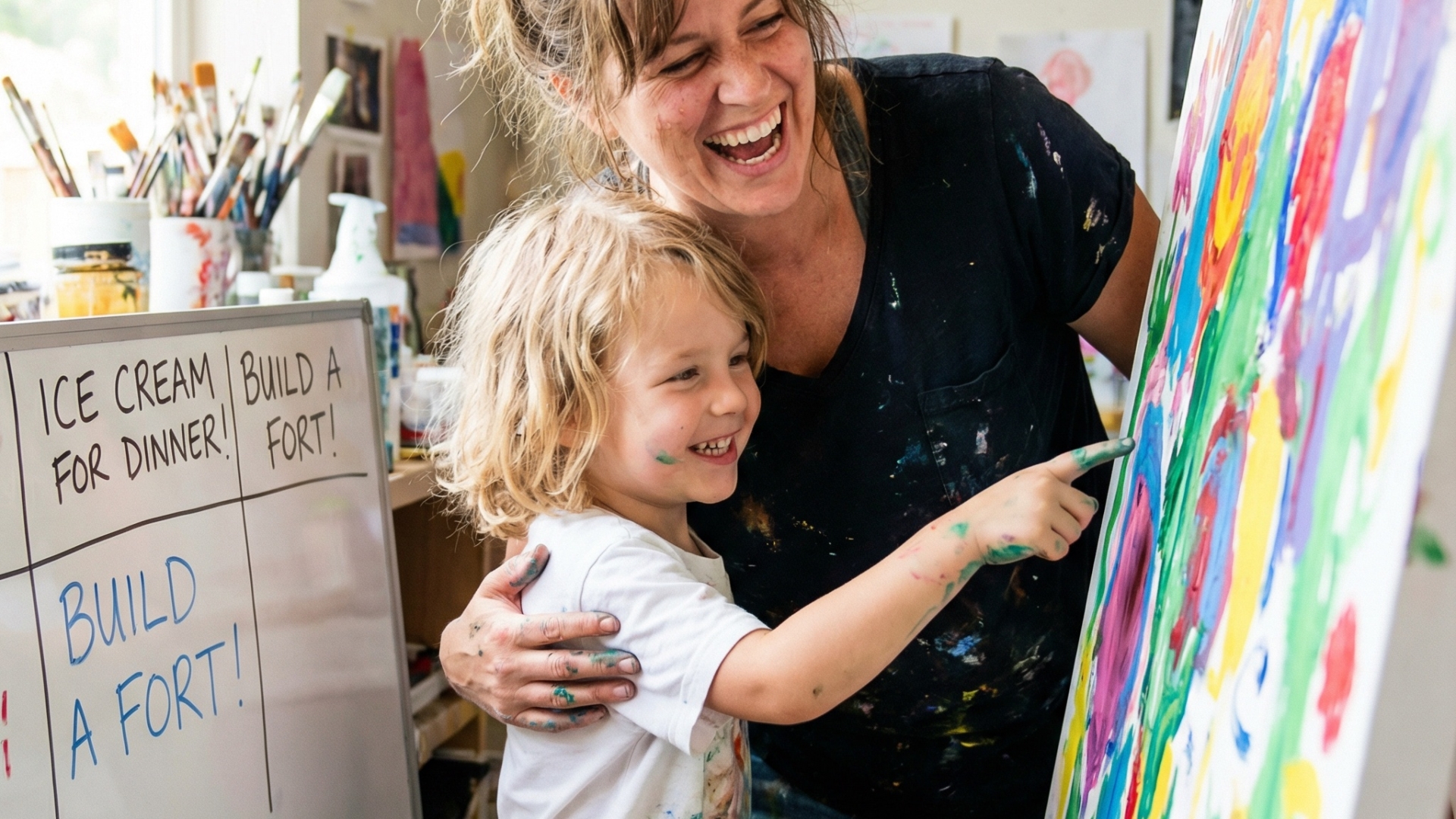
The inner child represents the emotional and psychological aspects of your younger self. All experiences you had as a child shape your behavior as an adult. These influences can be both positive and negative. For example, if you grew up in a loving environment, your inner child may help you maintain healthy, happy relationships. In contrast, a wounded inner child that has experienced rejection or neglect can lead to decisions characterized by fear or uncertainty. The first challenge often lies in recognizing these inner child parts. You must become aware of how your past affects your present. This can happen through self-reflection by identifying moments when you react disproportionately or emotionally. A good start is to keep a journal where you note your thoughts and feelings. This way, you can recognize patterns and triggers that point to your inner child.
The relationship with your inner child
A central method for working with your inner child is to build a positive relationship with it. Address your childlike needs and try to treat yourself with more love. Imagine that you are offering comfort and support to your younger self. How would you help a child in a difficult situation? This mindset helps you develop compassion for your own feelings and reduces the emotional coldness that often arises when we grow up and are hard on ourselves.
It is reasonable to believe that the inner child often emerges in conflicts and stressful situations. You may feel overwhelmed or anxious when making decisions. Here, it is important to feel and act consciously. Try to pause during challenging moments and reflect: 'What does my inner child need?'. By validating your current emotions, you can better address them and break negative patterns.
Emotional healing and growth
Working with your inner child is a process of emotional healing that requires time and patience. It can be helpful to use meditation or visualization exercises to strengthen your connection to this inner part. For example, visualize a space where your inner child feels safe and secure. Speak with it, ask questions, and listen to what it wants to tell you. These techniques promote communication with your inner aspects and help reduce anxiety.
Another important aspect is learning to set boundaries. Often, the wounds from childhood lead us to prioritize others over our own needs. You must learn to stand up for yourself and set healthy boundaries. This is essential for leading a balanced life. Consider where you feel overwhelmed in everyday life and start taking small steps to be there more for your inner child.
To further heal your inner child, it can also be helpful to seek support from outside, such as through therapeutic conversations or support groups. In community with others who are experiencing similar challenges, you can find healing and growth. Sharing these experiences and learning from others can help you find a face for your childhood wounds and develop healthy ways to overcome them.
Conclusion and outlook
In summary, working with your inner child is a crucial step toward emotional freedom and personal growth. By accepting and lovingly integrating these aspects of yourself, you can actively begin to change unconscious patterns that influence your decisions and relationships. Your inner child is not an obstacle but a part of you that needs healing and love.
To make your journey easier, regularly take time for self-reflection and self-care. Practices such as mindfulness, meditation, and creative expression can help you access your inner child. Loving and accepting yourself will have a positive impact on all your decisions. The path is challenging, but with each step, you will become more conscious and authentic in your life.
Finally, I invite you to take small steps every day to honor and listen to your inner child. Start today by exploring the multifaceted connection between your childhood and your present decisions and allow yourself to truly grow and heal. Your inner child is ready to be heard and to help you create the life you desire.