Fatigue after Eating
Bye, bye Food Coma! Tips against Fatigue
N
Do you know this feeling? After a hearty lunch, fatigue hits you and your mind feels sluggish. The so-called "food coma" is more than just a term; it is an experience that many of us have, especially in the hectic everyday life. But don’t worry, this article on businessbook.de offers you valuable nutrition tips to avoid this and boost your energy. From choosing the right foods to smart eating habits: we show you how to manage your day without this annoying fatigue. Let’s find out together how to stay productive and awake after eating.
One of the main reasons for feeling tired after eating is the large amount of carbohydrates we often consume. These lead to a quick spike in blood sugar levels, followed by a rapid drop, making you feel tired and lethargic. To prevent this, it makes sense to choose complex carbohydrates, such as whole grains, legumes, and vegetables. They provide lasting energy and prevent sudden spikes in blood sugar. For example: instead of opting for a white bread sandwich, choose whole grain bread and fill it with healthy fats such as avocado or nuts that optimally support your energy in the long run.
Choose your mix of foods
In addition, the combination of your foods plays a significant role. A balanced meal should always contain proteins, healthy fats, and fiber. These ingredients help stabilize your blood sugar levels and promote a feeling of fullness. An ideal combination could be a salad with grilled chicken, some quinoa, and a dressing made of olive oil and lemon juice. This not only boosts your energy but also makes you feel better and fitter after eating.
Another tip is to eat slower and really enjoy your food. When you eat in a hurry, you often skip your body's signals that tell you when you are full. This can lead to overeating, which causes fatigue. Take your time, chew thoroughly, and savor the flavors. Also, try to avoid distractions like your phone so you can fully concentrate on your food. Eating habits are often so deeply rooted that these small changes can make a significant difference.
Hydration is another factor that you should not underestimate. Many people often do not recognize thirst as a warning sign, which can lead to fatigue. Make sure to drink enough water throughout the day, especially before and after meals. A good rule of thumb is to consume at least two liters of water a day—more if you are active or working in the heat. A simple solution is to always have a water bottle with you.
Snack smart, feel great
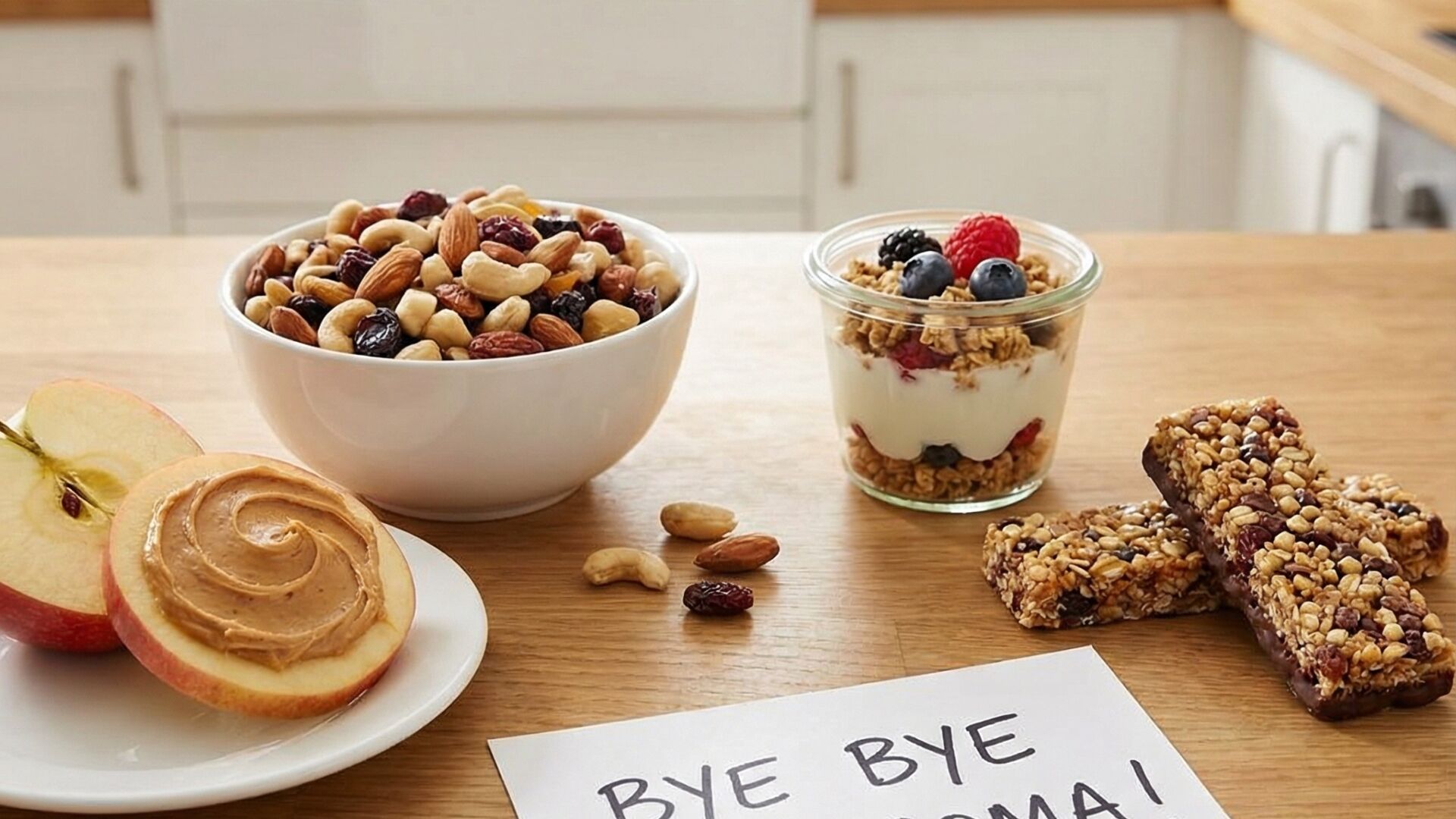
Snacks between meals are often the secret weapon against fatigue. Healthy snacks can help keep your blood sugar levels stable and provide you with the necessary energy to get through the day. Go for nuts, fruits, or yogurt that are easily digestible and provide essential nutrients. Avoid sugary snacks that may provide energy in the short term but can quickly lead to another energy crash.
Additionally, small meals throughout the day also have the advantage of preventing overloading the digestive system. Keeping the stomach full for an extended period can lead to the infamous "food coma." Ideally, five to six small meals that sustain your energy and combat tired days are recommended.
Learn and Adjust Satisfaction
In summary, it is essential to learn how to adjust your diet to avoid fatigue after eating. Pay attention to your food choices, focus on balance, and track your eating habits. Small changes can have significant impacts and help to enhance your quality of life.
With these tips in mind, you can regain control over your diet and maintain your energy levels consistently. Start to consciously shape your diet and observe how your well-being and productivity improve. Live bright and energized, and say goodbye to the food coma!