Mindfulness in Daily Life
Living Consciously: A Practical Psychology Guide
D
In our modern world, characterized by hurry and conformity, many of us long for a more conscious life. Life in today's times can be stressful and overwhelming. But here at nikki.de, where we talk like good friends, we want to help you develop a deeper understanding of yourself. In this article, we offer you valuable psychological insights and strategies to integrate mindfulness into your daily life. By delving into your inner emotional processes, you will learn to recognize difficult feelings and deal with them constructively. The goal is to enhance your quality of life through psychological knowledge and to provide you with tools that support you in managing your emotions better.
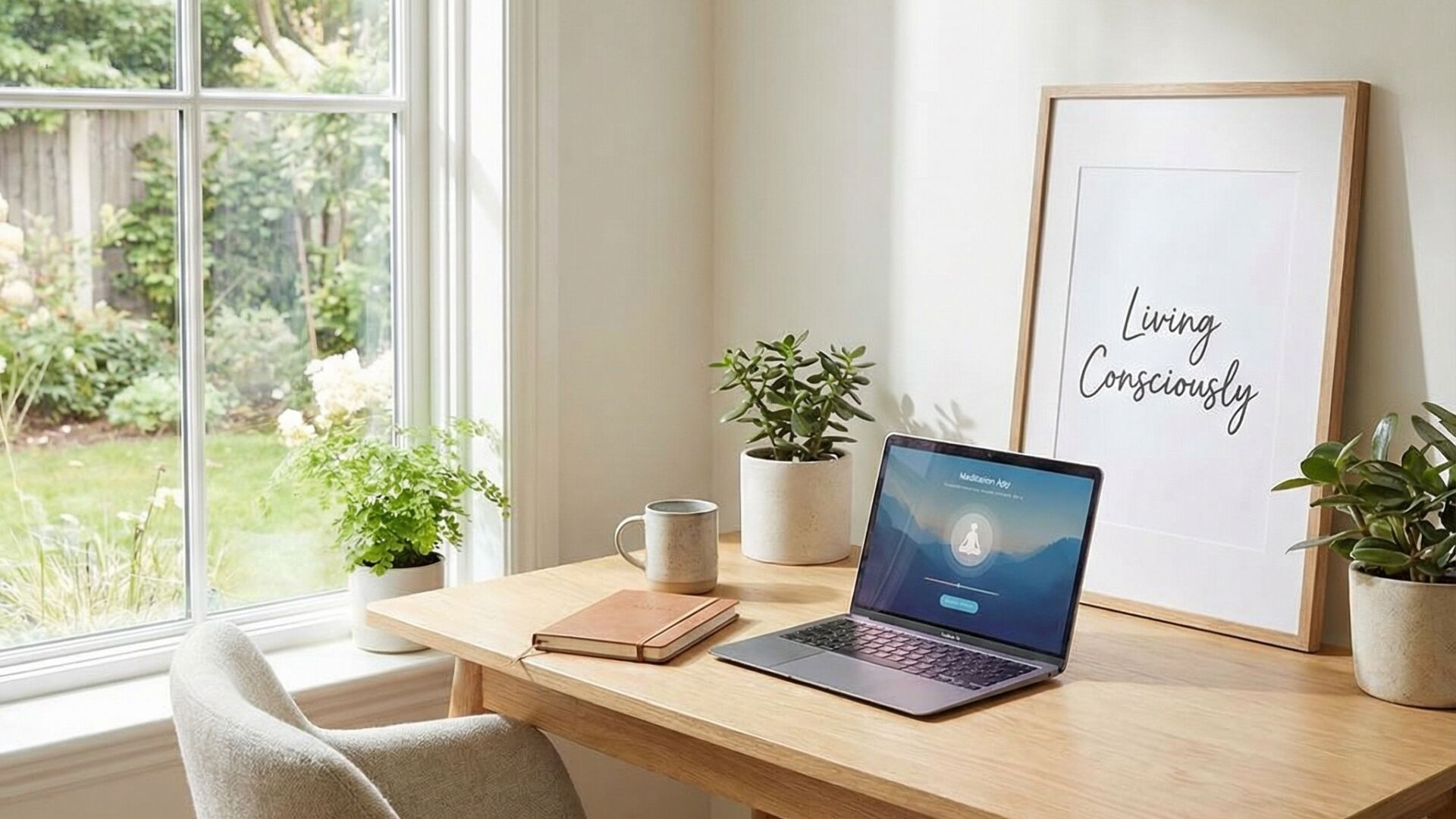
One of the most versatile methods for living consciously is mindfulness. Mindfulness means being in the present moment and noticing thoughts and feelings without judgment. Imagine going for a walk and consciously feeling each step. You observe the colors around you, hear the birds singing, and feel the wind on your skin. Through this practice, you can leave stress and worries behind for a while and learn to appreciate the small joys of life. A regular mindfulness practice can help you become more composed and counteract negative stress. Try to reserve ten minutes every day for mindfulness exercises. Another important aspect of conscious living is setting healthy boundaries. Many people find it difficult to say 'no' for fear of disappointing others. However, setting boundaries is essential for your emotional well-being. You should respect your own needs and desires, so as not to neglect yourself in a constant fulfillment of others' expectations. Next time before you make a commitment, consider whether it truly serves you. By being aware of your own boundaries, you can find more of yourself.
The Power of Gratitude
Gratitude is a powerful tool in the psychology guide for a happier life. When you regularly remind yourself of what you are grateful for, you can change your perspective on life. Take a few minutes every evening to reflect on the positive things of the day. These could be simple things like a cup of coffee in the morning, a nice conversation with a friend, or even beautiful weather. This simple ritual can lift your mood and improve your emotional well-being.
Furthermore, gratitude fosters a positive attitude towards life's challenges. Instead of focusing on problems that may seem overwhelming, you can learn to look for the positive in every situation. This change in perspective influences your resilience. When you appreciate the small blessings in everyday life, you are better equipped to deal with difficulties. Consider how many positive things you have in your life and write them down. You might be surprised by how much you already have.
Dealing with Fears and Worries
In conscious living, it's important to learn how to deal with fears and worries. These feelings are normal but can become overwhelming if we don't give them room. Instead of suppressing your fears, it is helpful to accept and analyze them. Take time to think about your fears in a quiet moment. What causes them? Often, journaling or talking with friends can help shed light on the darkness and sort out your thoughts.
Another valuable approach is cognitive behavioral therapy, which helps identify negative thought patterns and replace them with more positive, constructive thoughts. Self-talk is an important tool here. When you notice negative thoughts arising, ask yourself: 'Is that really true?' or 'How would I speak to a friend?' These questions can help improve your self-image and be guided less by doubts.
Finally, it is helpful to remember that no path is linear. Setbacks are part of the growth process. Be patient with yourself as you work on living more consciously. By applying the strategies mentioned above, you can come closer to your inner peace and lead a fulfilling life. The tools are already available, and you have the power to use them.